
Last updated October 31, 2026
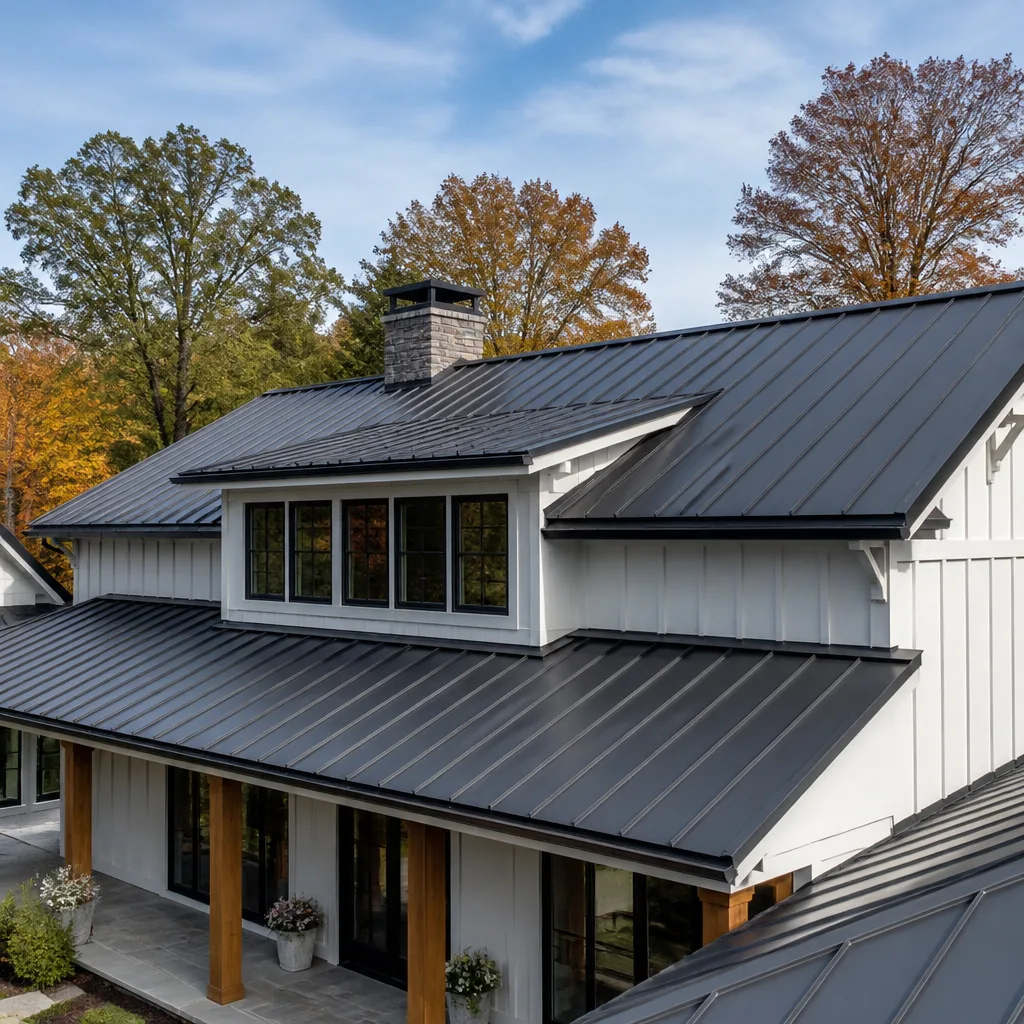 Metal roofing
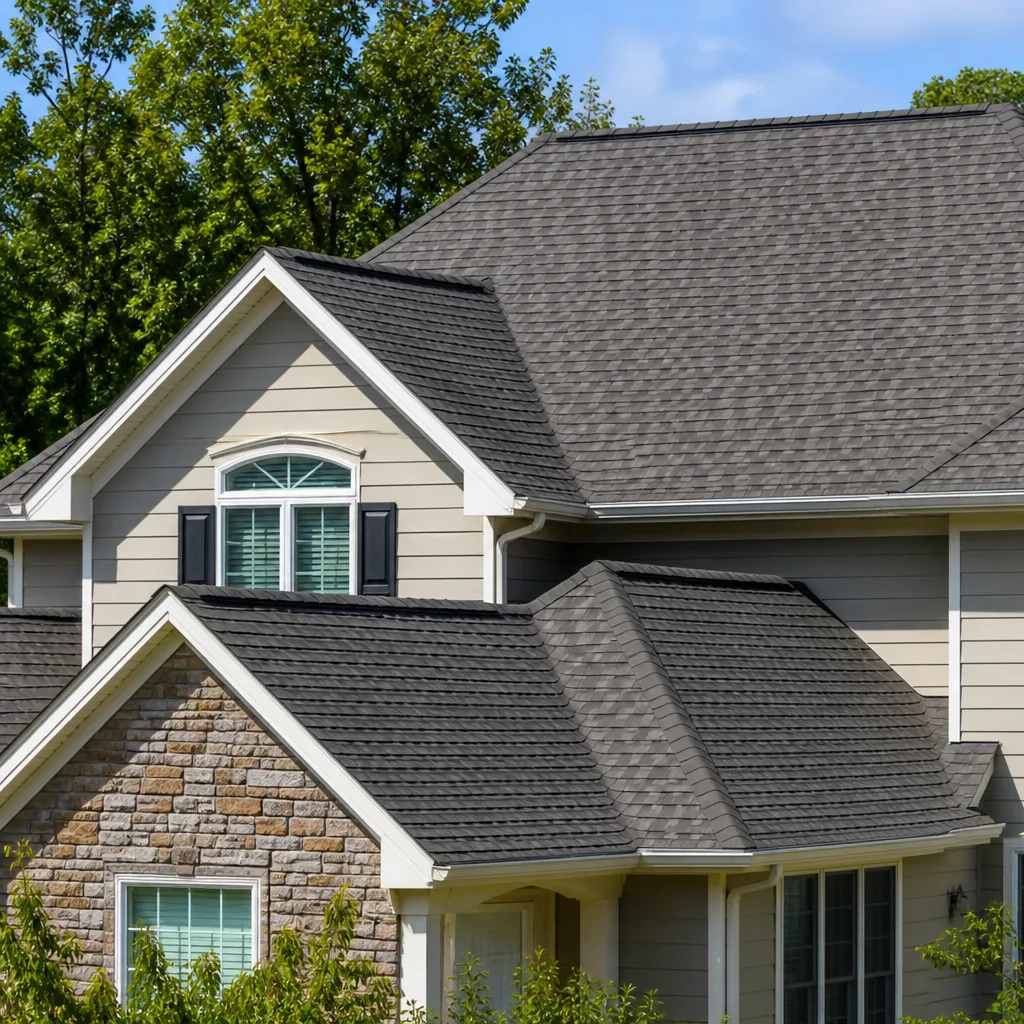 Architectural shingles
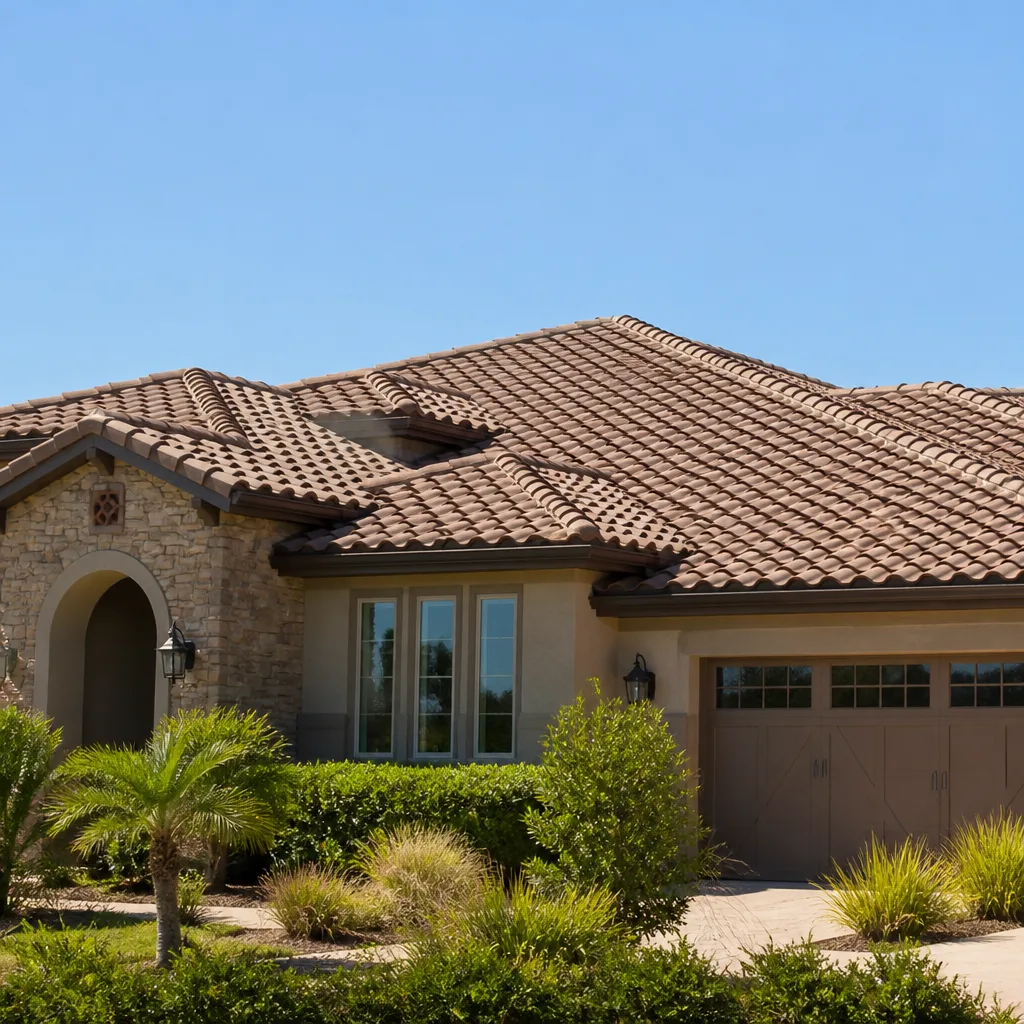 Tile roofing
 GAF
 Owens Corning
 Flat & low-slope
Free roof inspection with deck photos before we talk money - GAF and Owens Corning certified installation
Roofing Permits, Codes & Inspections in CA: What You Need to Know
In California, replacing more than 10% of your roof’s surface area can trigger a permit requirement, a threshold that almost every full re-roof crosses, yet many contractors complete without pulling one. The paperwork is not the problem. The problem is that nobody explains the threshold clearly until it is too late, usually at resale, when a title company finds the unpermitted work and the deal stalls. This guide explains exactly what California building codes say about roofing permits, how Orange County cities like Costa Mesa enforce them, what inspectors look for, and why unpermitted work quietly becomes the most expensive “savings” you will ever make. For more guides & resources, visit our blog.
Styles & brands we work with
Quick Answer
Most full roof replacements in California require a building permit, and in Costa Mesa that permit must be pulled before any tear-off begins. Repairs covering less than 10% of the roof surface are usually exempt under the California Residential Code, but only if the work is like-for-like and does not change the roof’s structure or fire rating. Unpermitted replacement work can void a homeowners insurance claim and must be disclosed when you sell.
Table of Contents
- When a Roofing Permit Is Required in California
- What “Like-for-Like” Replacement Actually Means
- The California Building Code Sections That Govern Your Roof
- Fire-Resistance Ratings: California’s Class A Mandate
- How Orange County Cities Enforce Roofing Permits
- What a City of Costa Mesa Roofing Inspection Checks
- Unpermitted Roofing Work and Your Insurance Claim
- The Permit Process, Step by Step
- Common Mistakes to Avoid
- When to Call a Professional
- Frequently Asked Questions
- The Bottom Line
When a Roofing Permit Is Required in California
Under the California Residential Code (CRC), a reroofing permit is required when the work involves replacing more than 10% of the roof’s total surface area, or when the structural sheathing beneath the roofing material is being replaced or repaired. That 10% threshold is smaller than most homeowners assume. A single large roof slope on an average Costa Mesa ranch house often represents 30% to 40% of the total roof. Tear off two slopes and you have crossed the line without realizing it.
Here is what triggers a permit requirement in plain language:
- Full tear-off and reroof: Always requires a permit, no exceptions, in every Orange County jurisdiction we work in.
- Replacing more than 10% of the roof surface: Requires a permit even if the rest of the roof is untouched.
- Replacing or repairing roof sheathing: Requires a permit because you are touching the structural deck, not just the covering.
- Changing roof material type: Wood shake to asphalt shingle requires a permit. The fire rating changes, and the city must verify the new assembly meets current code.
- Adding or altering roof framing: Always requires a permit plus structural calculations.
Repairs that stay under 10% of the surface area and do not touch the sheathing or change the material type generally do not require a permit. Patching a few damaged asphalt shingles after a windstorm? No permit needed. Replacing one slope of a four-slope roof? You are almost certainly over the threshold. When in doubt, call the Costa Mesa Building Division directly. They answer phone calls, and the question takes two minutes.
We field this question constantly from homeowners across Costa Mesa and neighboring Orange County cities, including many who have read our Roofing Warning Signs: A Costa Mesa Homeowner’s Reference Guide. The honest answer is that the threshold exists for a reason: a roof is a structural and fire-safety assembly, not a cosmetic layer. The city wants eyes on anything that changes how that assembly performs.
What “Like-for-Like” Replacement Actually Means
“Like-for-like” is the phrase contractors use to argue that a job does not need a permit. It means the new roofing material is the same type as the old material, installed in the same way, with no change to the roof structure. In California, like-for-like replacement can exempt you from a permit only if the work stays under that 10% surface threshold and does not involve the sheathing.
The confusion comes from contractors applying the term too broadly. Here is what like-for-like does NOT mean:
- Asphalt shingle over wood shake: Not like-for-like. The fire rating changes entirely.
- Three-tab shingle to architectural shingle: Technically a material type change. Some jurisdictions treat it as like-for-like, some do not. Costa Mesa generally requires a permit for this because the installation method and weight differ.
- Adding a second layer of shingles over an existing layer: Not like-for-like. This changes the assembly and requires verification that the structure can handle the added weight. Most California jurisdictions no longer allow double-layering at all.
- Replacing a flat roof membrane with a different membrane type: Not like-for-like unless the products are functionally identical.
We inspect roofs in Costa Mesa neighborhoods like Mesa Verde and Eastside where original 1970s wood shake is still common. That roof cannot be “patched” into permit compliance. If a contractor tells you a wood-shake-to-shingle conversion is a simple like-for-like swap, they are either wrong or not planning to pull the permit they should. A straight answer about your roof means knowing which category the work actually falls into before the tear-off starts.
The California Building Code Sections That Govern Your Roof
Most roofing permit discussions come down to a handful of CRC sections. You do not need to memorize them. You need to know they exist so you can recognize when a contractor is quoting them correctly or improvising.
- CRC Section R907 – Reroofing: This is the primary section governing replacement of existing roof coverings. It sets the 10% threshold and establishes when a reroof permit is required. It also limits how many layers of roofing are allowed on a residential structure.
- CRC Section R905 – Roof Assemblies and Materials: Sets installation standards for asphalt shingles, tile, metal, and membrane roofs. Inspectors cite this section during the inspection when fasteners, underlayment, or flashing are wrong.
- CRC Section R902 – Roof Classification: Establishes fire-resistance classes (A, B, C, and non-rated) and requires that roof assemblies meet the classification required for the building’s location. In wildfire-prone areas, this section plus the California Building Code Chapter 7A creates the Class A mandate.
- CBC Chapter 15 – Roof Assemblies and Rooftop Structures: The commercial-code equivalent that sometimes applies to mixed-use buildings and larger residential projects.
- CRC Section R301 – Live and Dead Loads: Governs the structural capacity of the roof deck and framing. This matters when you are changing material type, because concrete tile weighs significantly more per square than asphalt shingle.
The section that trips up most Orange County homeowners is R907, not because it is complicated, but because it interacts with local amendments. Costa Mesa adopts the state code with municipal modifications that can tighten or clarify requirements. What passes in an unincorporated county pocket may not pass inside Costa Mesa city limits. This is why the roof inspection process matters as much as the replacement itself: the inspector is verifying code compliance, not just workmanship.
Fire-Resistance Ratings: California’s Class A Mandate
California enforces the strictest roof fire-resistance standards in the country, and the requirement is not optional. In most urban areas of Orange County, residential roofs must achieve a Class A fire rating, which is the highest available. Class A assemblies are tested to withstand severe fire exposure without spreading flame across the roof surface.
The practical impact for a Costa Mesa homeowner is straightforward: your roofing material choices must meet or exceed Class A. Most modern asphalt shingles from manufacturers like GAF, CertainTeed, and Owens Corning achieve Class A when installed as a complete assembly with the correct underlayment. But the key word is assembly. The shingle itself is not the only variable.
A Class A assembly includes:
- The roof covering material itself
- The underlayment specified by the manufacturer
- The sheathing or deck material below
- The flashing and edge details
Here is where material choices collide with code compliance. A homeowner who chooses a premium asphalt shingle line from GAF or CertainTeed is staying well within Class A territory. A homeowner who wants the look of wood shake faces a problem: natural wood shake requires a treated product or a specific assembly to reach Class A, and many cities simply prohibit it in new installations regardless. In Costa Mesa, wood shake replacement typically triggers a conversion to a Class A rated material, and the permit process exists to verify that conversion actually happened.
Boral produces roofing products specifically engineered for California’s fire standards, including synthetic options that mimic wood while achieving Class A without chemical treatment. This is the practical reality of the California roofing market: the state’s fire codes now drive material selection more than aesthetics do. We carry product lines from seven major manufacturers, which matters precisely because no single brand solves every code scenario.
How Orange County Cities Enforce Roofing Permits
Orange County has 34 incorporated cities, and each one operates its own building division with its own enforcement habits. The California Residential Code provides the baseline, but local amendments mean the threshold for “minor repair” can shift slightly between Costa Mesa, Newport Beach, Huntington Beach, and Irvine.
What is consistent across Orange County:
- Permit before tear-off: Every city in the county expects the permit to be issued before any roofing material is removed. Pulling a permit mid-project is a red flag that triggers a stop-work order in most jurisdictions.
- Owner permits: A homeowner can pull a reroofing permit on their own property. But when you pull it yourself, you become legally responsible for the work passing inspection. If you hire a contractor whose name is not on the permit, the city will hold you accountable for failures.
- Inspections are mandatory: No city in Orange County allows a reroof to close without at least one inspection. Most require two: a mid-roof inspection after underlayment is installed, and a final inspection after the roof covering is complete.
- Fees vary: Costa Mesa’s reroof permit fees are based on project valuation, but the total cost for a typical single-family home is a few hundred dollars, not thousands. Unpermitted work discovered later costs far more in penalties.
The most common question we hear from Costa Mesa homeowners is whether the city actually notices unpermitted roofs. The answer is yes, eventually. Costa Mesa has aerial imagery, code enforcement officers who drive routes, and neighbors who call in complaints when a roofing crew shows up with no permit placard. More significantly, the permit record stays attached to the property forever. When you sell, the buyer’s disclosure process asks about permits. Title companies search permit history. The risk is not hypothetical; it is baked into the transaction.
If you are planning a roof replacement in Costa Mesa, the permit conversation should happen before you sign a contract, not after the dumpster arrives.
What a City of Costa Mesa Roofing Inspection Checks
Costa Mesa building inspectors work from a checklist, and knowing what is on it removes the mystery from the inspection day. The inspector is not looking for reasons to fail your roof. They are verifying that the installed assembly matches what the permit application described and what the code requires.
A typical Costa Mesa reroof inspection includes:
- Underlayment verification: The inspector checks that the underlayment type and attachment match the approved plans and manufacturer specifications for the roof covering being installed.
- Fastener pattern: Shingles and tiles must be fastened per manufacturer requirements. The inspector may check nail placement, penetration depth, and quantity on random sections.
- Flashing details: Valleys, penetrations, chimneys, and sidewalls are the most common leak points on any roof. The inspector verifies that flashing is properly installed and integrated with the underlayment.
- Ventilation conformity: The existing ventilation system must not be obstructed by the new roof. If the permit includes new venting, the inspector verifies it matches the approved plans.
- Drip edge and edge metal: The perimeter of the roof must have proper drip edge to direct water away from the fascia. This is a frequent correction item.
- Material verification: The installed product must match what was specified on the permit. If the permit says CertainTeed and the roof has a different manufacturer, the inspector can flag it.
In our experience, the most common inspection failure in Costa Mesa is flashing detail, followed by missing drip edge. Both are corrections that cost a few hundred dollars and a return inspection fee. They are also exactly the kind of issues a Costa Mesa roof repair specialist catches before the inspector ever arrives. The inspection should not be the first quality check on your roof; it should be the confirmation that the work was done right the first time.
Unpermitted Roofing Work and Your Insurance Claim
Here is the clause most policyholders never read: most California homeowners insurance policies contain language that excludes or limits coverage for damage caused by or made worse by work that was performed without required permits. The exclusion is buried in the policy under “concealment” or “ordinance or law” provisions, and it surfaces exactly when you need the coverage most: after a storm, a fire, or a leak that causes structural damage.
The problem unfolds in stages:
- The damage happens: A windstorm tears shingles off a slope, or a plumbing leak rots roof sheathing, or a wildfire ember ignites the roof cover.
- The claim is filed: The adjuster inspects the damage and requests documentation. During that process, they often pull the roof’s permit history.
- The unpermitted work is discovered: If the roof was replaced without a permit, the adjuster flags it. The insurer then argues that the unpermitted work contributed to the damage or prevented the damage from being properly mitigated.
- The claim is reduced or denied: Depending on the policy language, the insurer may deny the full claim, exclude the roof portion, or pay only the value of the roof before the unpermitted work was done, which can be significantly less than replacement cost.
This is not a theoretical risk in Costa Mesa. We have spoken with homeowners who were mid-claim when the unpermitted roof surfaced. Some recovered partial payment after negotiation. None walked away happy about the process. The permit is the documentation that proves the roof was legally installed. Without it, you are arguing from a defensive position with your own insurer.
The reverse is also true: a permitted roof with a signed final inspection gives you leverage in a claim. The city’s inspection record is independent verification that the roof met code at installation. That document has value, which is why we treat the permit and inspection process as part of the roofing job, not an obstacle to it.
The Permit Process, Step by Step
The Costa Mesa reroofing permit process is not complicated, but it does have a sequence that must be followed, as we detail in our Seasonal Roofing Care for Costa Mesa: Year-Round Homeowner’s Guide. Here is how a properly permitted roof replacement unfolds from start to finish, based on what we see in Costa Mesa and surrounding Orange County cities.
- Scope the work: Determine whether the job is a repair under 10%, a full reroof, or a structural replacement. This determines which permit path applies.
- Prepare the application: The contractor or homeowner completes the permit application with a description of the work, the roofing material to be installed, and the project valuation. Costa Mesa accepts most reroof permits over the counter or through its online portal.
- Pay the fee: Reroof permit fees in Costa Mesa typically run a few hundred dollars, calculated on project valuation. This is a fraction of the cost of the roof itself.
- Schedule the first inspection: The mid-roof inspection happens after the old roof is removed, any damaged sheathing is replaced, and the underlayment is installed but before the roof covering goes on. This is the inspector’s chance to verify the deck and underlayment.
- Complete the roof covering: Shingles, tile, or membrane are installed per manufacturer specifications.
- Schedule the final inspection: The inspector verifies the covering, flashing, drip edge, and edge details. If everything passes, the permit is signed off.
- Keep the record: The final inspection sign-off is the document you want in your file when you sell the house or file an insurance claim. It is proof that the roof was legally installed and passed code.
A competent roofing contractor handles this entire sequence for you. What you should not accept is a contractor who says the permit is “not really necessary” or “will slow things down.” The permit process adds a few days to a reroof timeline. The alternative, unpermitted work discovered later, adds weeks or months of correction and financial exposure. The math is not close.
Common Mistakes to Avoid
- Taking a contractor’s word that “this job doesn’t need a permit.” Some contractors say this because they genuinely misunderstand the 10% rule. Others say it because they want to avoid the inspection. Either way, the homeowner bears the risk, not the contractor. Call the Costa Mesa Building Division directly and ask.
- Pulling the permit in your name while an unlicensed worker does the labor. If the city discovers the worker on site is not the permit holder’s employee or licensed contractor, you inherit every code violation. Your permit, your problem.
- Skipping the mid-roof inspection. Homeowners sometimes ask the contractor to “just put the roof on” and skip the intermediate step. If the underlayment is wrong, you will not know until the roof leaks. The mid-roof inspection exists to catch exactly that.
- Changing roofing material after the permit is issued. The permit specifies the material. Switching from one brand to another at the last minute can fail the final inspection because the inspector verifies what was approved.
- Assuming a tile roof can be replaced with shingles without structural review. Concrete tile weighs significantly more per square than asphalt. Removing tile and installing shingles usually works structurally, but going the other direction requires verifying the framing can handle the load. This is an R301 issue, not a paperwork formality.
- Losing the final inspection record. You will need it when you sell. Store it with your closing documents. A missing final inspection sign-off is the single most common document problem we see at resale in Costa Mesa.
- Hiring a generalist contractor for a roofing permit. A handyman who does roofs occasionally may not know which inspection to schedule or what the inspector will flag. Roofing specialists deal with this process continuously, and that repetition shows up in fewer correction cycles.
When to Call a Professional
If your roof is at or near the 10% threshold and you are not certain which side of the line it falls on, call the Costa Mesa Building Division first, then call a roofing specialist. If the work involves sheathing replacement, material type changes, or any structural question, do not attempt to navigate the permit process alone. A roofing contractor who works in Costa Mesa regularly knows the inspectors, knows the amendment history, and knows which details get flagged. Spartan Roof Repair is a roofing-only company in Costa Mesa; we handle inspection, repair, and replacement, and we pull permits on every job that requires one. If you want a straight answer about your roof and its permit status, call Spartan Roof Repair at (855) 382-3237 for a free estimate.
Frequently Asked Questions
A reroofing permit in Costa Mesa typically costs a few hundred dollars, calculated as a percentage of project valuation. The exact fee depends on the scope of work, but it is a small fraction of the total roof cost. Call the Costa Mesa Building Division for the current fee schedule, or have your contractor include the permit line item in the written estimate. Call (855) 382-3237 and we can walk you through what your specific project will require.
No. Storm damage does not exempt you from the permit requirement. You still need a permit if the repair exceeds 10% of the roof surface or involves sheathing. The only difference is that your insurance claim may cover the permit cost, so document everything and include the permit in your claim paperwork.
The unpermitted work transfers with the property. You now own the liability. You can apply for a permit after the fact, but the city may require you to expose portions of the roof for inspection, and the correction process can be expensive. This is why a permit search should be part of every Costa Mesa home purchase, and why a roof inspection during escrow is worth every dollar it costs.
Most straightforward reroofing permits in Costa Mesa are issued over the counter or within a few business days through the online portal. The inspection scheduling adds a few more days. A complete permit-to-final-inspection cycle for a typical single-family reroof is usually one to two weeks, not months.
No. The permit specifies the material type and fire rating, not the manufacturer. As long as the installed product meets the specified rating and assembly requirements, the brand is your choice. This is why we work with seven roofing brands including GAF, CertainTeed, Owens Corning, and Boral: different homes have different structural and fire-rating requirements, and material choice should match the structure, not the supplier’s inventory.
No. The Costa Mesa building inspector verifies code compliance: correct materials, proper flashing, adequate fastening, and approved details. Leak prevention is implied by correct installation, but the inspector is not performing a quality audit. That is why the workmanship warranty and the contractor’s own quality process matter. We inspect it, we repair it, we replace it, and we stand behind the final result regardless of what the city checks.
The Bottom Line
California roofing permits are not complicated once you understand the 10% threshold, the like-for-like definition, and the fire-rating mandate that shapes material choices across Orange County. The real risk is not the paperwork. The risk is a contractor who skips it and a homeowner who discovers the problem at resale or claim time. In Costa Mesa, the permit process is straightforward, the fees are modest, and the inspection record is one of the most valuable documents your house will ever produce. Call the city with questions. Pull the permit. Keep the final sign-off. And if you need a roofing specialist in Costa Mesa who will handle the entire permit and inspection process correctly from day one, call Spartan Roof Repair at (855) 382-3237.
Written by the team at Spartan Roof Repair, serving Costa Mesa since 2017.
See the difference
 Before
 After
 Before
 After
 Before
 After