
Last updated October 31, 2026
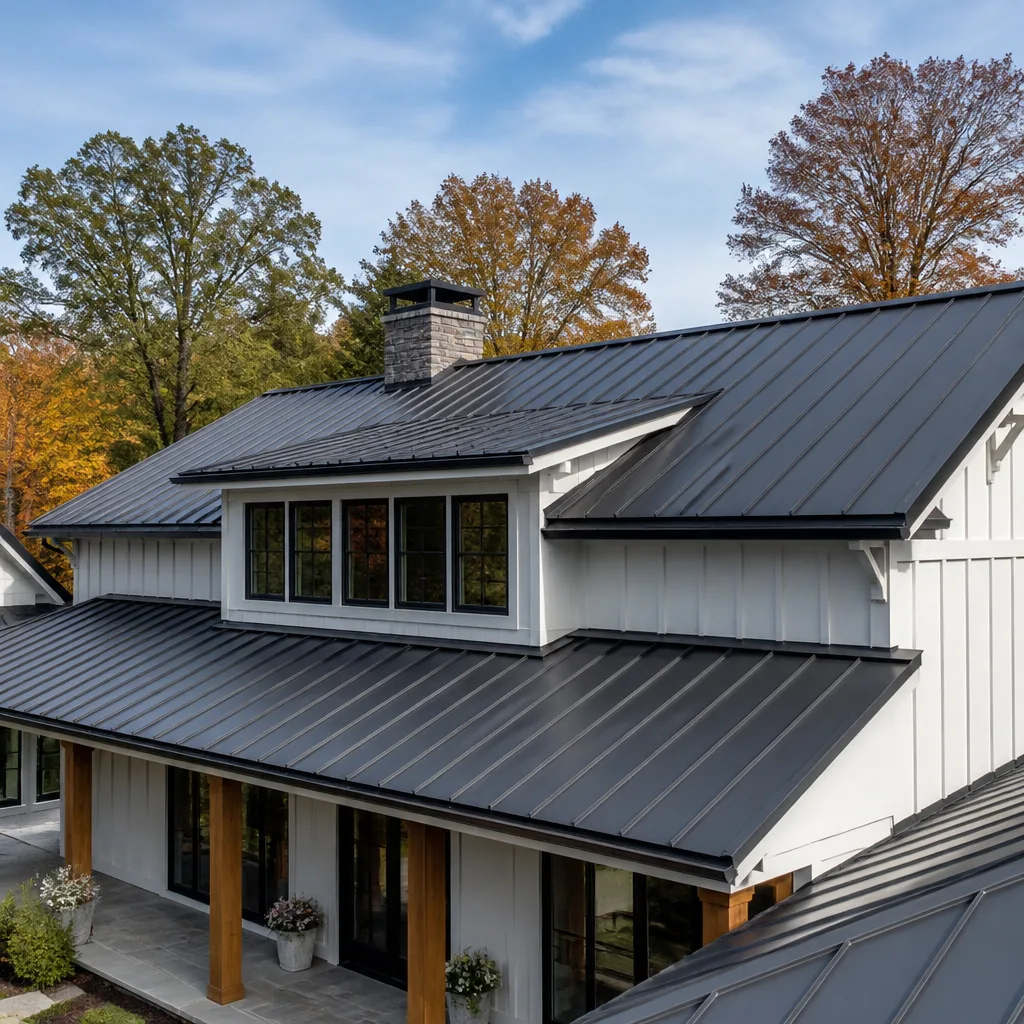 Metal roofing
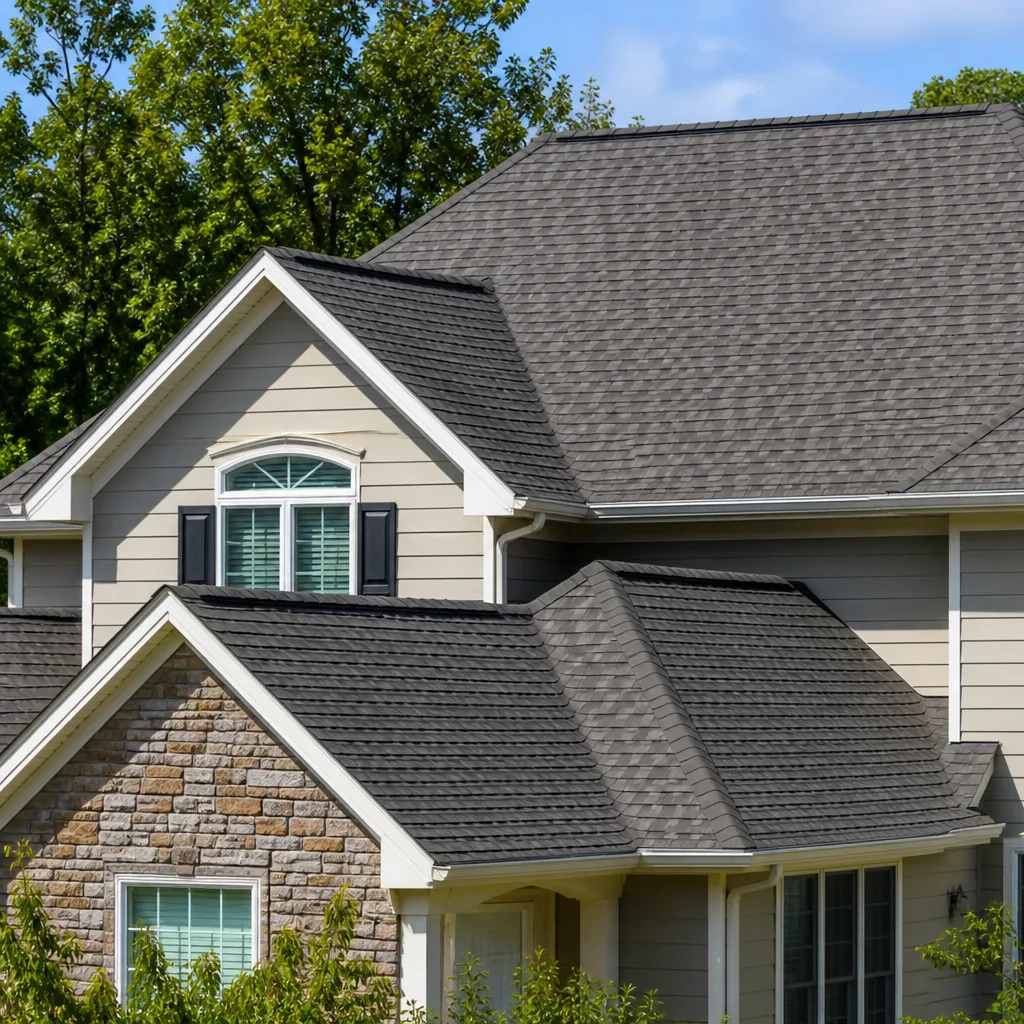 Architectural shingles
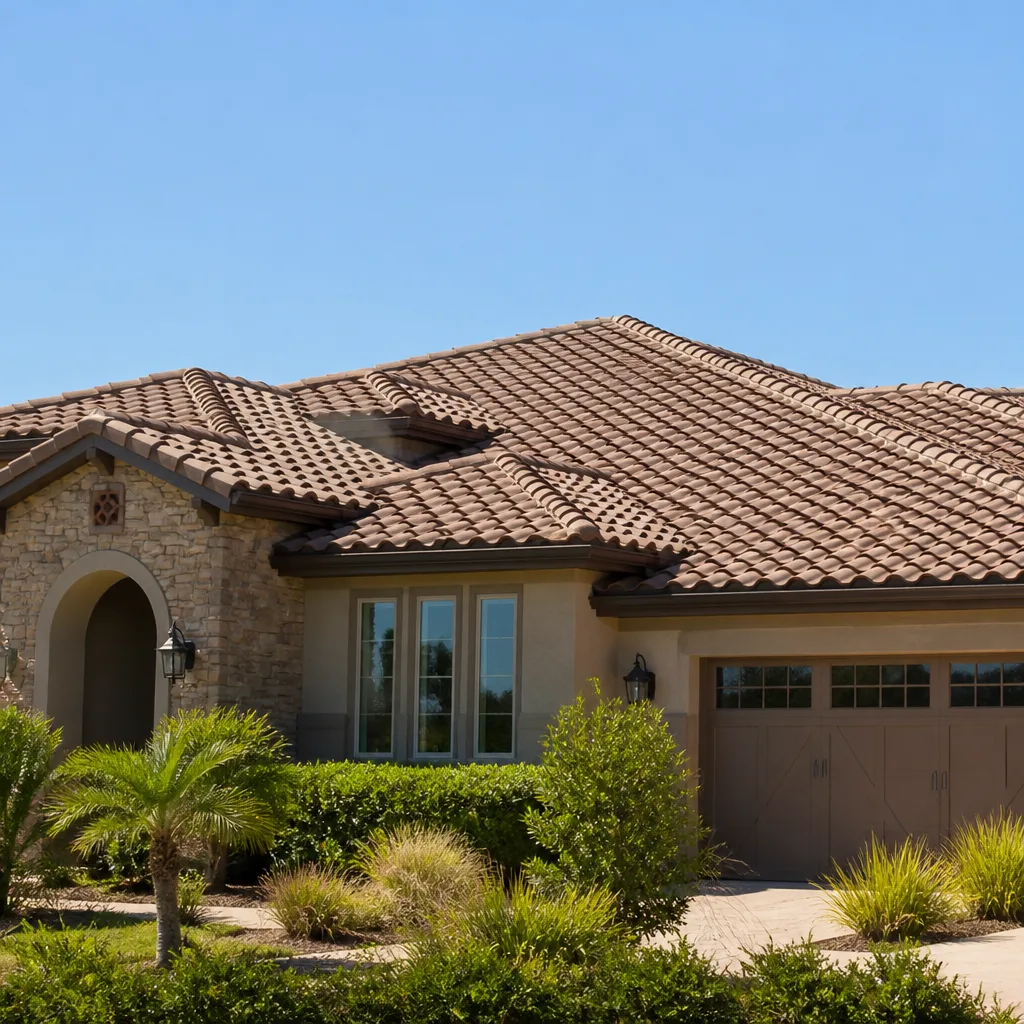 Tile roofing
 GAF
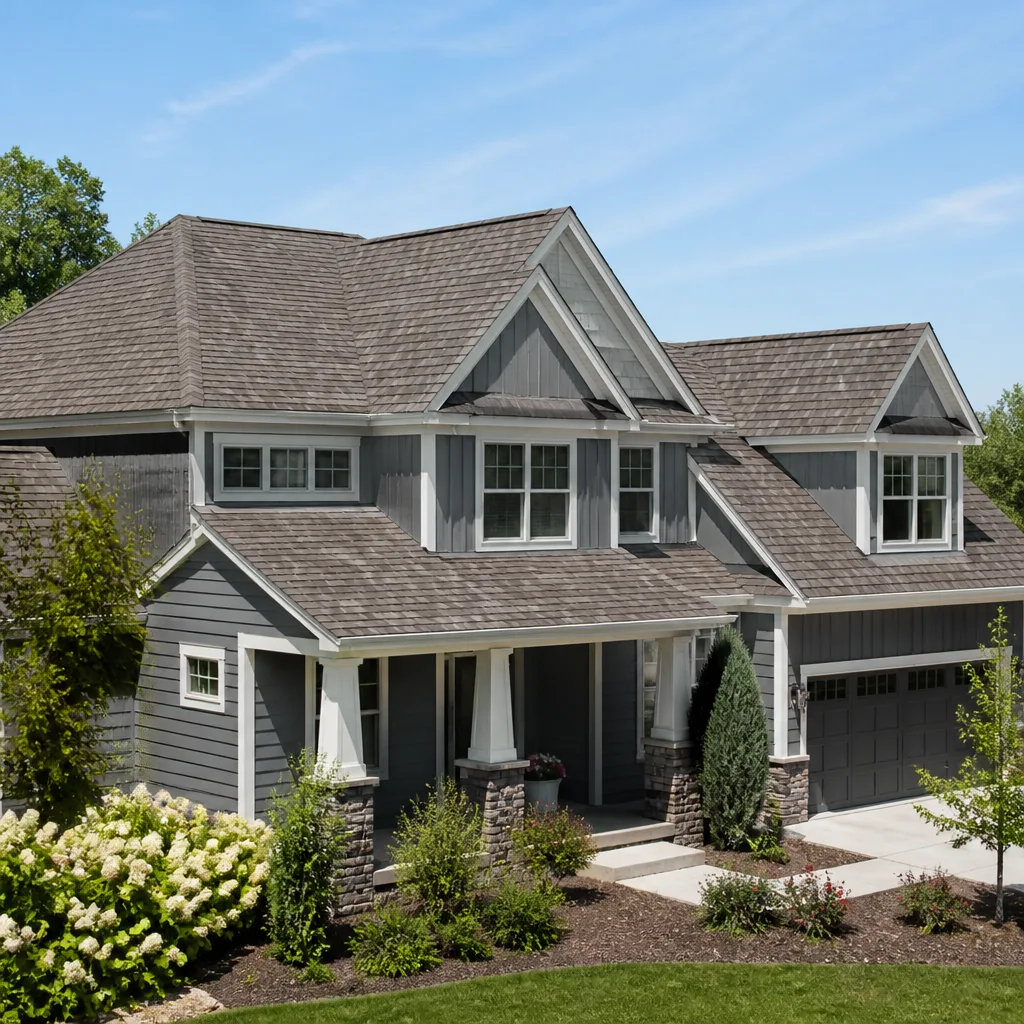 Owens Corning
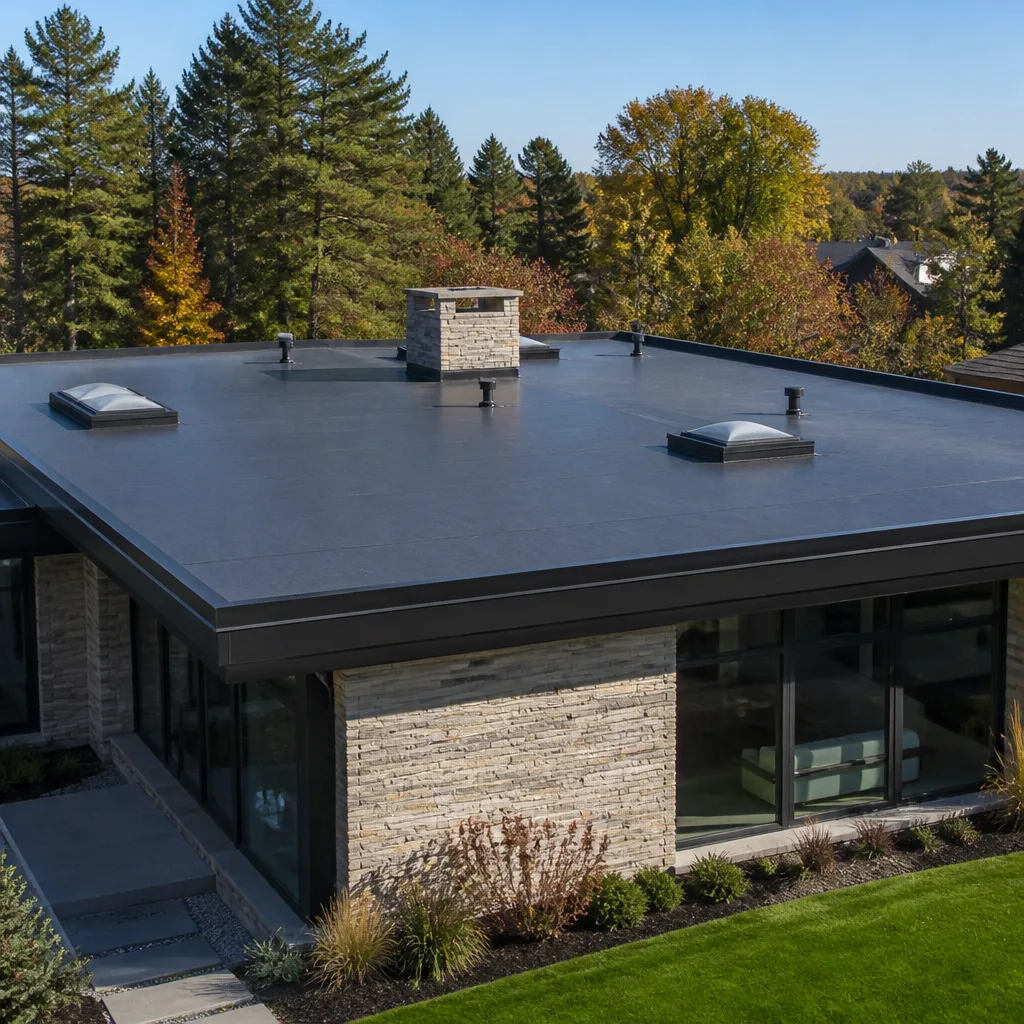 Flat & low-slope
Free roof inspection with deck photos before we talk money - GAF and Owens Corning certified installation
DIY vs Professional Roofing: The Costa Mesa Homeowner’s Decision Guide
A homeowner who installs their own asphalt shingles in California can legally void the manufacturer’s material warranty on day one. Not after a mistake, not after a leak. On day one, simply by being unlicensed and uncertified. That single fact, which almost no DIY roofing tutorial mentions, changes the entire cost calculation for Costa Mesa homeowners weighing a weekend roofing project against hiring a licensed contractor. This guide walks through the real decision framework: what California law actually permits you to do on your own roof, what your insurance policy quietly excludes, which repairs a competent homeowner can realistically handle, and where the hidden costs of DIY roofing in Costa Mesa’s coastal climate start compounding. For related reading, see our Roof Repair Troubleshooting: Common Problems and How to Fix Them.
Styles & brands we work with
Quick Answer
For most Costa Mesa homeowners, professional roofing is the financially safer choice because DIY installation typically voids manufacturer material warranties and can create homeowners insurance coverage gaps, as detailed in our Roof Repair Maintenance Checklist for Costa Mesa Homeowners. A competent homeowner can safely handle minor tasks like gutter cleaning, debris removal, and visual inspections, but anything involving shingle installation, flashing, underlayment, or structural work requires a C-39 licensed contractor to maintain warranty and insurance protection.
Table of Contents
- What California Law Actually Allows Homeowners to Do
- The Warranty Reality: What DIY Really Costs You
- How DIY Roofing Affects Your Homeowners Insurance
- Which Minor Repairs Are Realistic for a Competent Homeowner
- Why Costa Mesa’s Coastal Climate Demands Tighter Installation Tolerances
- The True Cost Comparison: DIY vs Professional by the Numbers
- Common Mistakes to Avoid
- When to Call a Professional
- Frequently Asked Questions
- The Bottom Line
What California Law Actually Allows Homeowners to Do
California’s Contractors State License Board draws a clear line: a homeowner may work on their own primary residence without a contractor’s license, but the moment that work involves another person being paid, a C-39 roofing license is mandatory. The owner-builder exemption covers your own house, but it does not cover your rental property, your flip, or your vacation home. And it certainly doesn’t cover the person you hired from a neighborhood app to “help out” for cash. That person must be licensed, full stop.
Here is what the owner-builder exemption means in practical terms for Costa Mesa homeowners:
- You can legally replace shingles on your own primary residence. The state won’t stop you. But the manufacturer might refuse to honor the warranty on those materials, and your insurer might take note.
- You cannot hire an unlicensed individual to do roofing work. Paying a handyman without a C-39 license to repair your roof is a violation of California law, and it exposes you to liability if that person is injured on your property.
- You cannot perform roofing work on a property you intend to sell within a disclosure window. Unpermitted, non-professional roofing work must be disclosed to buyers, and it routinely becomes a negotiation point that costs sellers more than the original repair would have.
- Building permits are still required for roof replacement in Costa Mesa. The owner-builder exemption doesn’t waive the city’s permit requirements. Costa Mesa enforces California Building Code Title 24, including roof covering requirements specific to coastal wind zones.
In our experience inspecting roofs across Costa Mesa, we regularly find DIY repairs that were legal in the sense that no one stopped the homeowner, but illegal in the sense that the work never met the standard required by code. A homeowner off East 19th Street who replaced six shingles after a windstorm left nail heads exposed. Two winters later, those exposed fasteners became six small waterfalls into the attic. The repair was legal. The outcome was not.
The legal distinction matters because it is the foundation of every other consequence in this guide. You can physically do the work. The question is whether you can absorb what happens after the work is done.
Related reading: Roof Repair in Costa Mesa.
The Warranty Reality: What DIY Really Costs You
GAF, CertainTeed, Owens Corning, IKO, Atlas, Tamko, and Boral all publish installation requirements as a condition of their warranty coverage. Every one of them requires installation by a licensed, certified contractor. Some manufacturers offer a reduced warranty for “other” installers. None offer full material coverage for homeowner-installed product. This is not a suggestion buried in fine print. It is the first requirement in the warranty document.
What does a voided manufacturer warranty cost you in practice? A standard architectural shingle warranty covers material defects for 25 to 50 years, and many include wind coverage up to 110 mph or more. If a manufacturing defect shows up on year seven and your shingles were installed properly by a certified contractor, the manufacturer covers the materials and, under some enhanced warranties, a portion of labor. If you installed those same shingles yourself, you get nothing. You buy the replacement shingles, you do the tear-off, you absorb the entire cost.
And the warranty gap extends beyond shingle defects. Here is what else disappears when you DIY:
- Wind warranty coverage. Coastal Costa Mesa gets sustained Santa Ana winds and occasional winter storm gusts. Manufacturer wind warranties apply only to professionally installed roofs.
- Algae and discoloration coverage. The marine layer that rolls over Costa Mesa’s Westside neighborhoods creates ideal conditions for roof algae. Covered under manufacturer warranties, but only with certified installation.
- Labor coverage on enhanced warranties. GAF’s Golden Pledge and CertainTeed’s SureStart PLUS cover labor costs for warranty repairs. Homeowner installation does not qualify for these programs at all.
- System warranty eligibility. Manufacturers warranty entire roof systems (underlayment, ventilation, shingles, flashing) only when installed by one certified contractor. A mixed DIY and professional approach typically voids the system-level protection.
When homeowners ask us whether saving $3,000 in labor is worth losing a $15,000 material warranty, the math speaks for itself. The warranty is not a piece of paper. It is a financial asset attached to your roof. DIY installation forfeits that asset on day one, before the first nail goes in.
Spartan Roof Repair home details why we install products from seven major manufacturers, including Owens Corning and Boral, under proper certification so the warranty actually pays out if something fails.
How DIY Roofing Affects Your Homeowners Insurance
This is the section most DIY tutorials skip entirely, and it is the section that matters most for Costa Mesa homeowners. Your homeowners insurance policy is a contract, and that contract contains language about workmanship that most people never read until a claim is denied.
Standard California homeowners policies contain what the industry calls a “faulty workmanship exclusion.” The language varies by carrier, but the effect is consistent: if water damage results from improperly performed work, the insurer may deny the claim and require you to pursue the person who did the work. When you did the work yourself, there is no one to pursue. You are the installer, the contractor, and the liable party, all at once.
Here is the specific sequence of events we see repeatedly in Costa Mesa:
- Homeowner installs or repairs a section of roof themselves to save money.
- The installation fails months or years later, usually at a flashing point or a seam.
- Water enters the home, damaging ceilings, drywall, insulation, and sometimes electrical systems.
- The homeowner files a claim, describing wind or rain as the cause.
- The adjuster inspects, identifies the non-professional installation as the origin of the leak, and the claim is denied or paid at a sharply reduced amount.
- The homeowner now pays for interior repairs, mold remediation, and the roof correction out of pocket.
This is not a hypothetical. We have repaired roofs in Costa Mesa’s Mesa Verde and College Park neighborhoods where homeowners told us their insurance denied interior damage claims because the source was a DIY roof patch that failed. The original patch saved them a few hundred dollars. The denied claim cost them between eight and twenty thousand dollars.
Some insurers go further. After a denied claim involving non-professional roofing work, they may:
- Exclude future roof-related claims on the policy
- Require a professional roof inspection before renewing coverage
- Non-renew the policy outright in severe cases
Insurance companies are not moral entities. They are risk calculators. A homeowner-installed roof is an unknown risk variable, and unknown variables are priced or eliminated. If you go the DIY route, call your insurer first. Ask them directly: “If I install my own roof and it later leaks, will you cover the damage?” Get the answer in writing. That answer should inform your decision more than any savings estimate.
If you suspect existing damage before making a decision, Roof Inspection in Costa Mesa is the right place to start.
Which Minor Repairs Are Realistic for a Competent Homeowner
This guide is not anti-DIY. It is anti-uninformed-DIY. There are tasks a capable Costa Mesa homeowner can perform on a roof without voiding warranties or inviting insurance problems, and there are tasks that should never be attempted without a C-39 license. The line between them is steeper than most people think.
Here is a frank breakdown of what is realistic:
Realistic DIY Tasks (Low Risk, No Warranty Impact)
- Visual inspections from the ground or with binoculars. You can spot missing shingles, curled edges, and obvious flashing problems without touching the roof. This is useful triage, not a complete inspection.
- Clearing debris from valleys and gutters. Leaves and branches trap moisture against shingles and under eave edges. Removing them extends roof life. Use a ladder safely, or a roof rake from the ground.
- Trimming overhanging branches. Branches that scrape shingles during windy days abrade the granule layer. Trimming them back is straightforward and prevents damage.
- Sealing small gaps in flashing with roofing cement. A pea-sized gap around a vent pipe can be sealed temporarily. This is a stopgap, not a permanent repair, but it is within a homeowner’s skill range.
- Documenting damage after storms. Photos, dates, and notes are invaluable for insurance claims. You do not need a license to document.
Not Realistic DIY Tasks (High Risk, Warranty and Insurance Consequences)
- Replacing shingles, even a single shingle. Removing and replacing shingles involves nailing patterns, exposure alignment, and sealant activation that affect the entire field around the repair. One wrong nail pattern creates a leak path.
- Any work on flashing. Step flashing, chimney flashing, valley flashing, and vent flashing are the most common failure points on every roof. Improper flashing installation is the number one cause of leaks we repair. This is not a beginner task.
- Underlayment installation or repair. Underlayment is the waterproofing layer beneath shingles. Getting the lapping direction wrong channels water into the deck instead of off the roof. In Costa Mesa’s marine climate, this error destroys roof decks.
- Replacing rotted decking or structural members. This involves structural repair that requires permits and inspection. A compromised deck is a fall hazard and an insurance non-starter.
- Flat or low-slope roof work. Costa Mesa has many 1950s and 60s homes with low-slope sections. Torch-down and modified bitumen require specialized equipment and technique. DIY mistakes here become immediate interior leaks.
One more honest note: working on a roof is genuinely dangerous. Falls from residential roofs kill and injure thousands of people every year, and most DIY roofing injuries happen on single-story homes where the homeowner felt safe. A two-story accident is catastrophic. We are not being dramatic. We are being direct. The risk of permanent injury is part of the cost calculation, even if it never shows up on a material invoice.
For anything beyond the low-risk list above, Roof Replacement in Costa Mesa is the responsible next step.
Why Costa Mesa’s Coastal Climate Demands Tighter Installation Tolerances
Costa Mesa sits about two miles from the Pacific Ocean at its western edge. That proximity creates three conditions that punish sloppy roofing work faster than inland climates ever will: consistent marine moisture, salt-laden air oxidation, and wind patterns that change direction seasonally.
The marine layer is not dramatic, but it is relentless. It rolls in most nights and burns off most mornings, meaning your roof spends hours every evening at elevated humidity levels. Underlayment that is lapped incorrectly traps that moisture against the roof deck. Within a few years, the deck develops rot, and the shingles above it lose structural support. In inland cities, the same installation mistake might take a decade to matter. In Costa Mesa, we see failures inside five years.
Salt air is the second factor. It accelerates corrosion on metal flashing, fasteners, and vent materials. A flashing joint that is not lapped tightly and sealed properly becomes a corrosion point within a couple of seasons. Once corrosion starts, the joint widens, water enters, and the failure accelerates. This is why coastal roofing demands tighter tolerances at every transition point. The tolerance for error is smaller here than it is in Irvine or Santa Ana.
Wind is the third factor. Costa Mesa’s prevailing winds come from the ocean in the summer and shift to the northeast during Santa Ana events in the fall. Shingles nailed too high, too low, or with the wrong exposure catch wind differently than properly installed shingles. A shingle field that holds fine in calm weather tears loose during a sustained Santa Ana blow because the sealant strip was never activated properly, or the nail pattern was off by half an inch.
Improper flashing and underlayment lapping failure looks predictable when you know what you are looking for. Water traveling under a reversed underlayment lap enters at the top edge and spreads downward in a widening pattern across the deck, often appearing on the ceiling far from the original leak point. Improper flashing failure typically concentrates at corners and transitions, where the water path is shortest. By the time either failure is visible on the interior, the deck is usually compromised.
This is the context most DIY installation videos miss. They are filmed in controlled conditions, usually somewhere inland, with new materials and no weather pressure. Costa Mesa is not a controlled condition. It is a saltwater-adjacent, wind-variable environment that treats roof errors like standing water treats cracked concrete: eventually, it finds the gap, and it widens it.
The True Cost Comparison: DIY vs Professional by the Numbers
Most DIY calculations start and end with labor cost. That is the wrong frame. The real question is total cost over the life of the roof, including correction work, warranty losses, insurance exposure, and opportunity cost. Here is a straight line-item comparison for a typical Costa Mesa ranch home, approximately 1,800 square feet of roof surface, needing partial repair and retrofit of flashing.
DIY Repair Scenario
- Materials (shingles, underlayment, flashing, sealant, fasteners): $600 to $1,200
- Tool rental or purchase (nailer, ladder, safety harness, pry bar): $150 to $400
- Permit and inspection (if done correctly): $150 to $300
- Disposal of old materials: $80 to $150
- Correction by a licensed contractor within 3 years (industry average likelihood: high): $1,800 to $4,500
- Interior repair from undetected leak: $2,000 to $9,000 (not always covered by insurance, see section above)
- Total realistic DIY range: $2,780 to $15,550
Professional Repair Scenario
- Materials, labor, permits, disposal, warranty registration: $1,800 to $4,000
- Manufacturer material warranty intact: covered defects replaced at no cost
- Contractor workmanship warranty: typical coverage 5 to 10 years
- Insurance coverage intact: related interior damage covered under standard policy terms
- Total realistic professional range: $1,800 to $4,000
The numbers shift depending on the specific repair, but the pattern holds consistent. The DIY path has a lower floor and a dramatically higher ceiling. The professional path has a predictable range with defined warranty protection. When we explain this to Costa Mesa homeowners, they usually stop comparing the low-end DIY number to the high-end professional number and start comparing total exposure.
One factor worth naming directly: the professional estimate includes the cost of knowing what to look for. A roof inspection by a specialist catches problems before they become failures. A homeowner looking at the same roof sees shingles. We see seam stress, improper lapping, oxidation points, and drainage patterns. That knowledge gap is not about intelligence. It is about thousands of hours of focused repetition.
Common Mistakes to Avoid
- Assuming the owner-builder exemption means full legal freedom. You can work on your own home, but unpermitted work becomes a disclosure issue when you sell, and unpermitted roof replacement in Costa Mesa can trigger title and insurance complications. Pull permits or hire someone who will.
- Calculating only material costs for DIY. Tools, hauling, corrections, and your own time are real costs. If the corrected-roof scenario costs more than a professional repair would have cost upfront, you did not save money. You converted a repair into a lesson.
- Trusting manufacturer warranty claims without reading installation requirements. Every major shingle manufacturer conditions warranty coverage on licensed installation. Buying GAF shingles from a supply house and installing them yourself means you own the product but not the protection.
- Ignoring the insurance workmanship exclusion. The exclusion is already in your policy whether you have read it or not. Filing a claim before understanding your coverage is how homeowners discover this exclusion by accident, usually in the worst possible moment.
- Applying inland DIY techniques to a coastal climate. Underlayment lapping, flashing sealant, and fastener selection are not one-size-fits-all. Costa Mesa’s marine layer and salt air reduce the margin for error. A technique that works in Phoenix will not protect a roof in Costa Mesa alike.
- Starting with the leak instead of the inspection. Homeowners often patch the visible leak point and stop. The visible leak point is rarely the actual entry point. Without a full inspection, the patch fails and the real problem compounds.
- Underestimating the physical danger. Every year, homeowners with no roofing experience are injured or killed in ladder and fall accidents. The danger is real even on a single-story home, and it does not show up in any savings calculation.
When to Call a Professional
Call a professional when the work touches anything below the shingle surface: flashing, underlayment, decking, structural members, or any area where a leak has already reached the interior. Call a professional when the job requires a permit, when the roof is more than one story, when the slope is steeper than a 4:12 pitch, or when the warranty on your materials matters to you. Call a professional when your insurer has asked for a roof inspection or when you are preparing to sell.
In Costa Mesa, Spartan Roof Repair offers free estimates for repair, replacement, and inspection work. We are roofing specialists, not generalists, and we inspect, repair, and replace roofs for homeowners who want a straight answer about their roof. Call (855) 382-3237 to schedule a free estimate. No pressure, no upsell, just an honest assessment of what your roof needs and what it will cost.
Frequently Asked Questions
Most professional roof repairs in Costa Mesa range from $400 for minor flashing or shingle work to $4,000 for more extensive repair involving underlayment, decking sections, and multiple penetration points. The final number depends on the roof size, the slope, the existing material type, and the extent of damage. Call (855) 382-3237 for a free estimate specific to your roof.
Yes, a homeowner can legally replace the roof on their own primary residence under the owner-builder exemption, but the work must be permitted and inspected through the city of Costa Mesa, and the homeowner assumes full liability for workmanship. This legal permission does not preserve manufacturer material warranties, which require installation by a licensed, certified contractor.
Yes, essentially all major shingle manufacturers, including GAF, CertainTeed, Owens Corning, and Boral, require installation by a licensed, certified contractor as a condition of warranty coverage. Homeowner installation typically voids the material warranty or reduces it to a minimal replacement-only guarantee with no labor coverage and no wind or algae protection.
Under standard California policy language, water damage from a faulty workmanship condition may be denied if the improper work was performed by the homeowner. Insurance adjusters routinely identify non-professional installation as the origin of a leak, deny the interior damage claim, and require the homeowner to pay for correction and remediation out of pocket. Confirm your policy language before doing any roofing work yourself.
A homeowner can safely handle visual inspections from the ground, debris removal from valleys and gutters, trimming overhanging branches, temporary sealing of small flashing gaps with roofing cement, and storm damage documentation. Any repair involving shingle replacement, flashing work, underlayment, decking, or structural changes should be handled by a licensed professional for warranty, insurance, and safety reasons.
Most minor roof repairs in Costa Mesa are completed in a single day, while larger repairs involving multiple trades or structural correction can take three to five days including permit inspection. The timeline depends on material availability, weather windows, and the specific scope of work outlined in your estimate.
The Bottom Line
The DIY versus professional roofing decision in Costa Mesa is not really a question of saving labor costs. It is a question of liability, warranty protection, and insurance coverage. The legal right to work on your own roof does not protect you from the consequences of that work. A competent homeowner can handle simple inspection, cleaning, and trimming tasks. A licensed professional should handle everything below the shingle surface, because that is where the real risk lives. The materials on your roof last decades. The mistakes under them can cost you more than the labor you saved, and in Costa Mesa’s coastal climate, those mistakes reveal themselves faster than anywhere else in Orange County.
Written by the team at Spartan Roof Repair, serving Costa Mesa since 2017.
See the difference
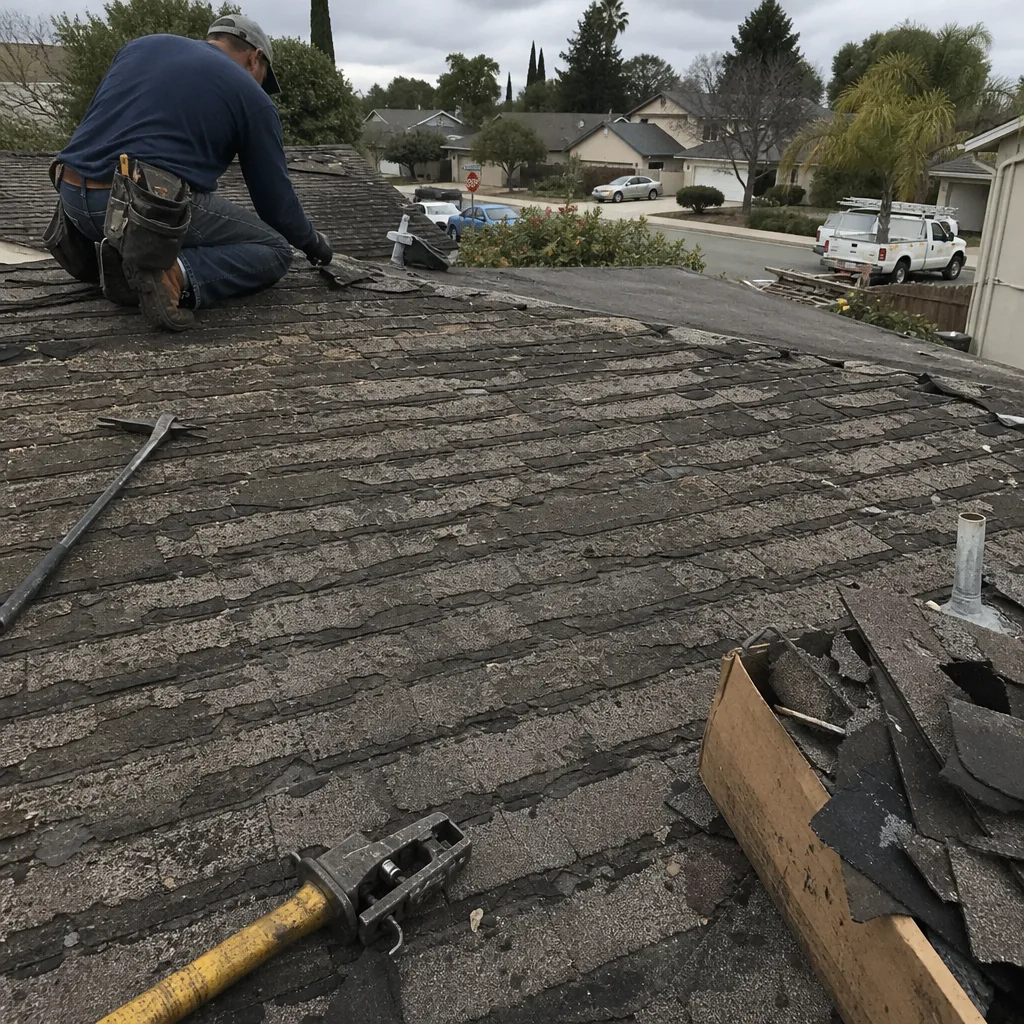 Before
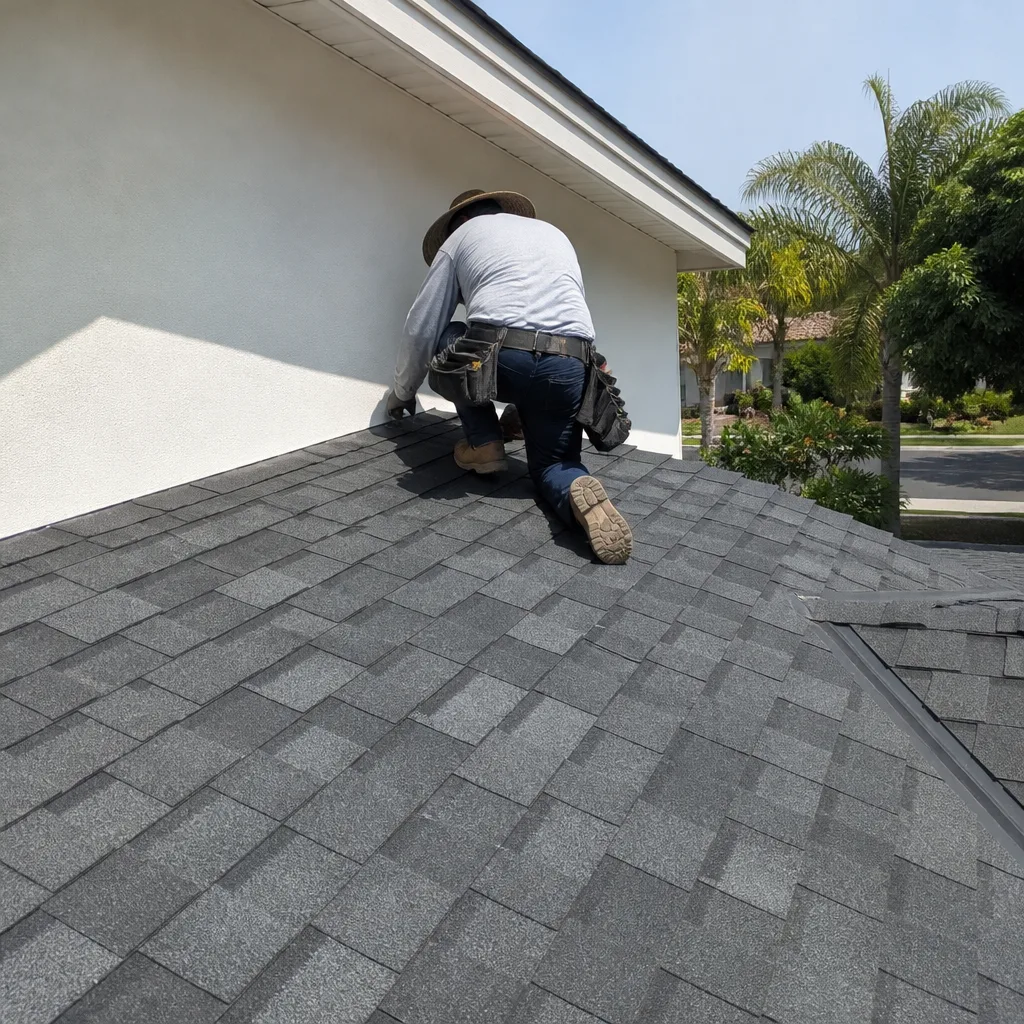 After
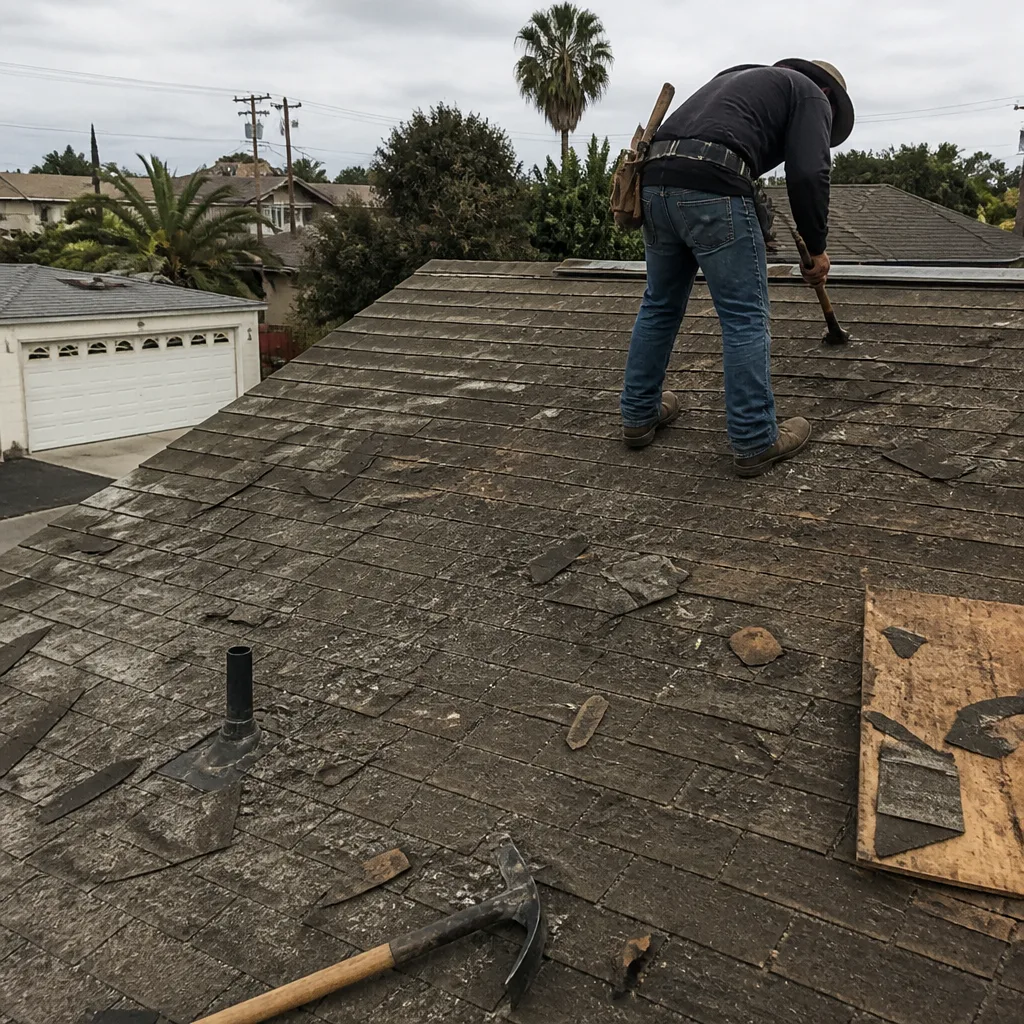 Before
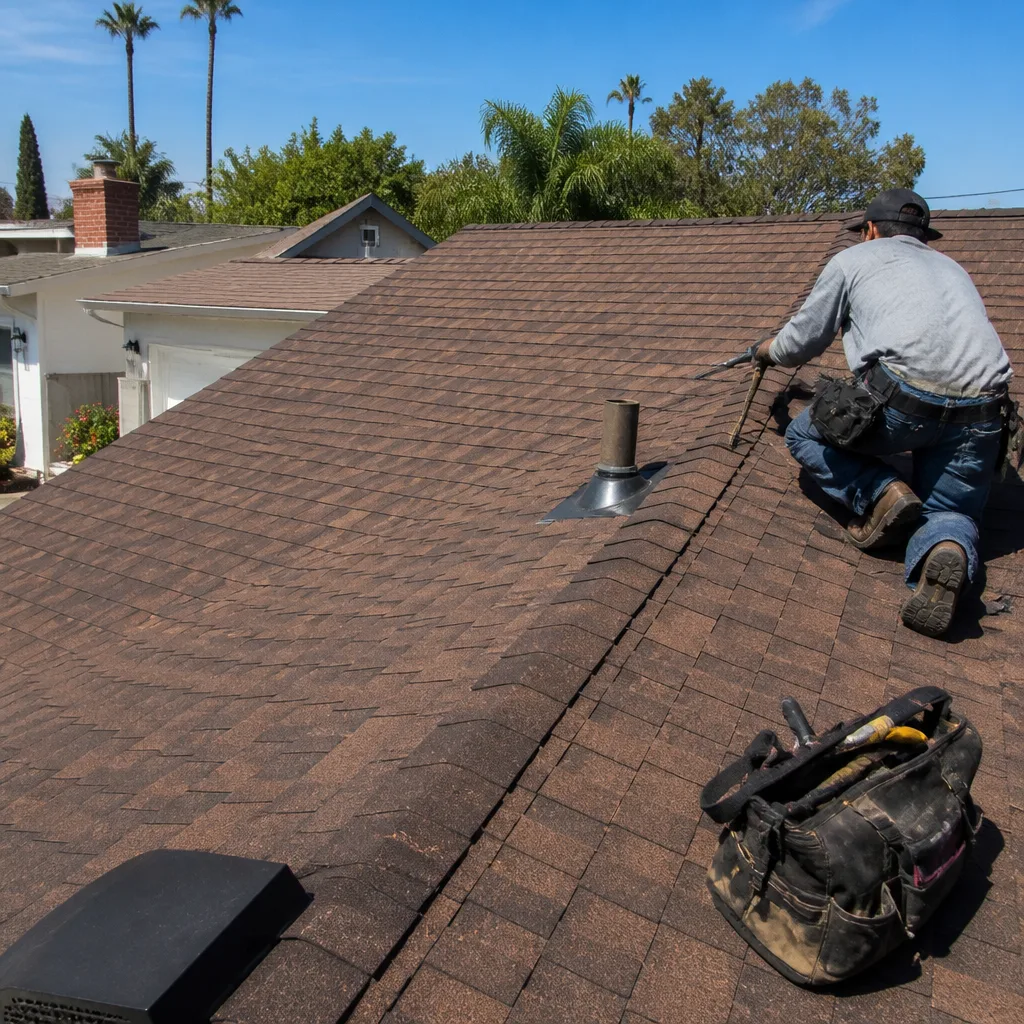 After
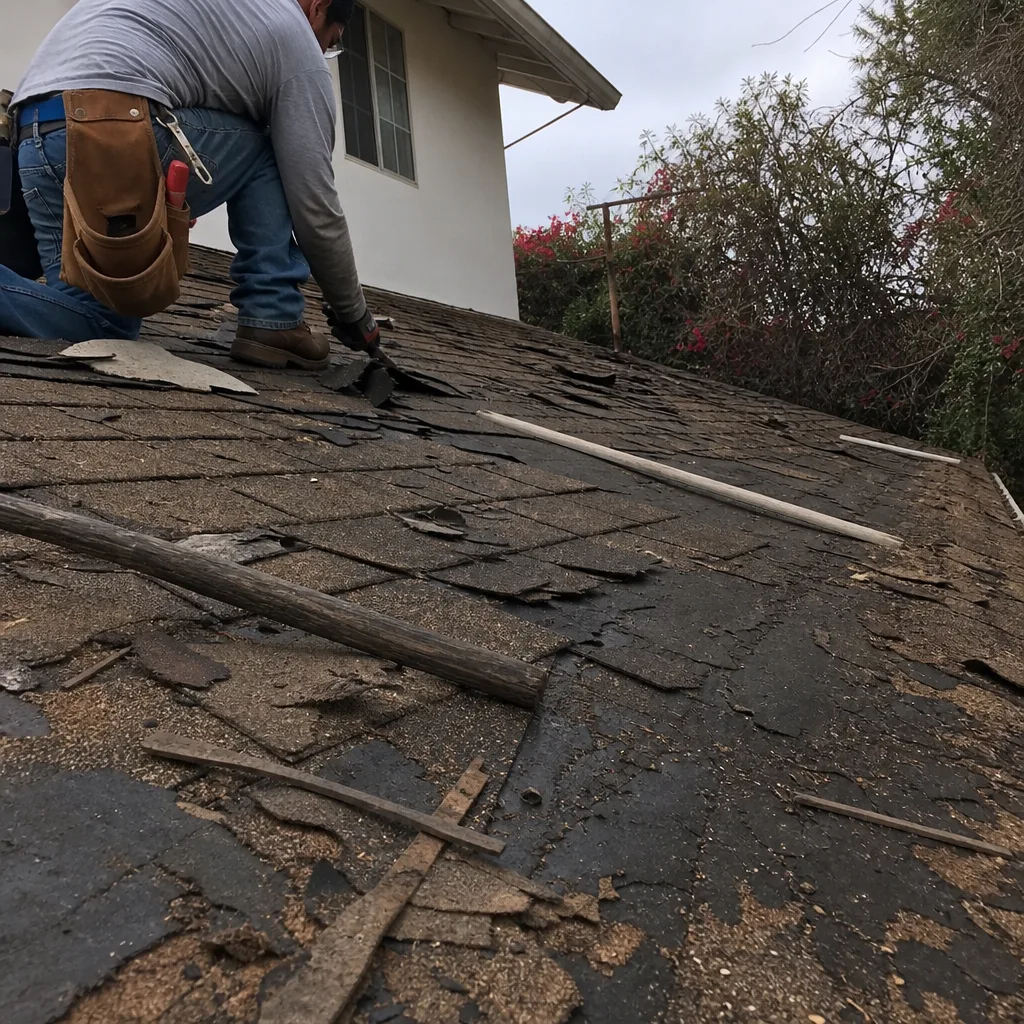 Before
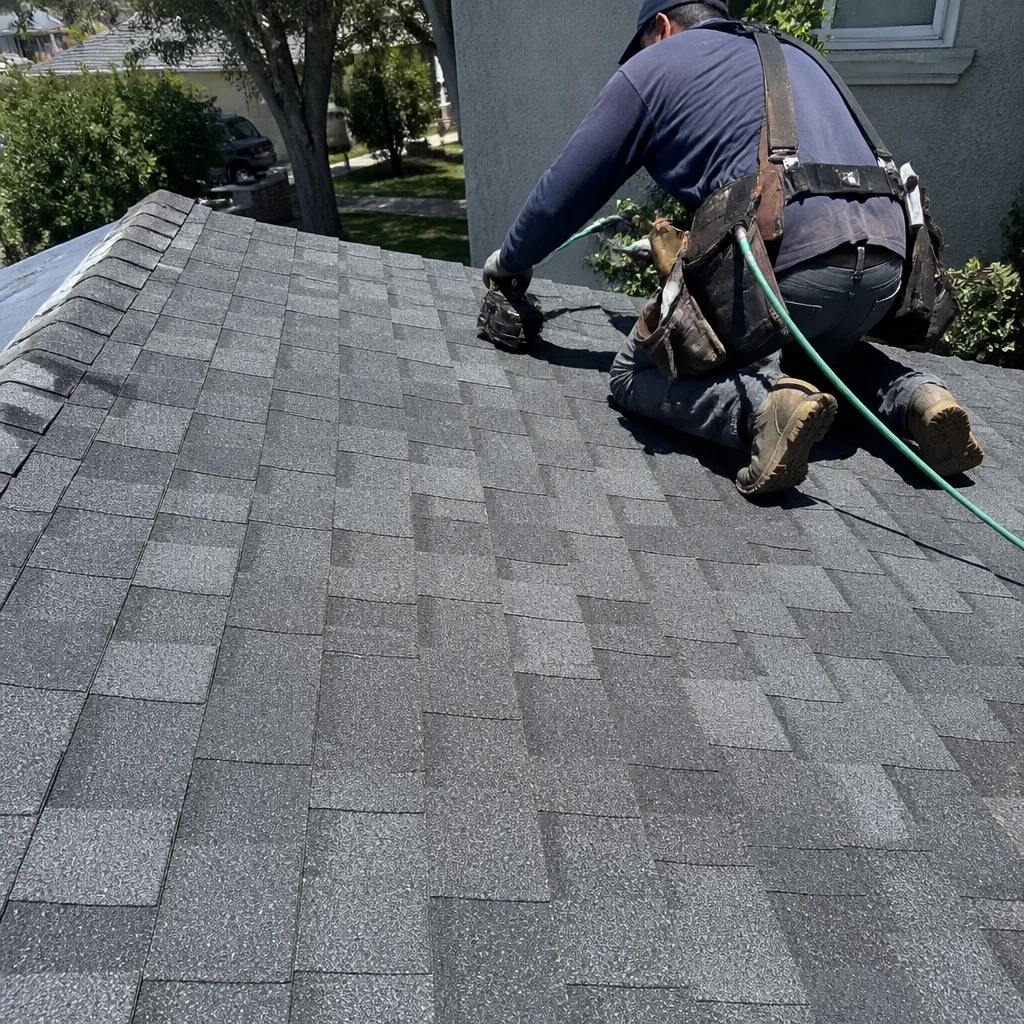 After