
Last updated October 31, 2026
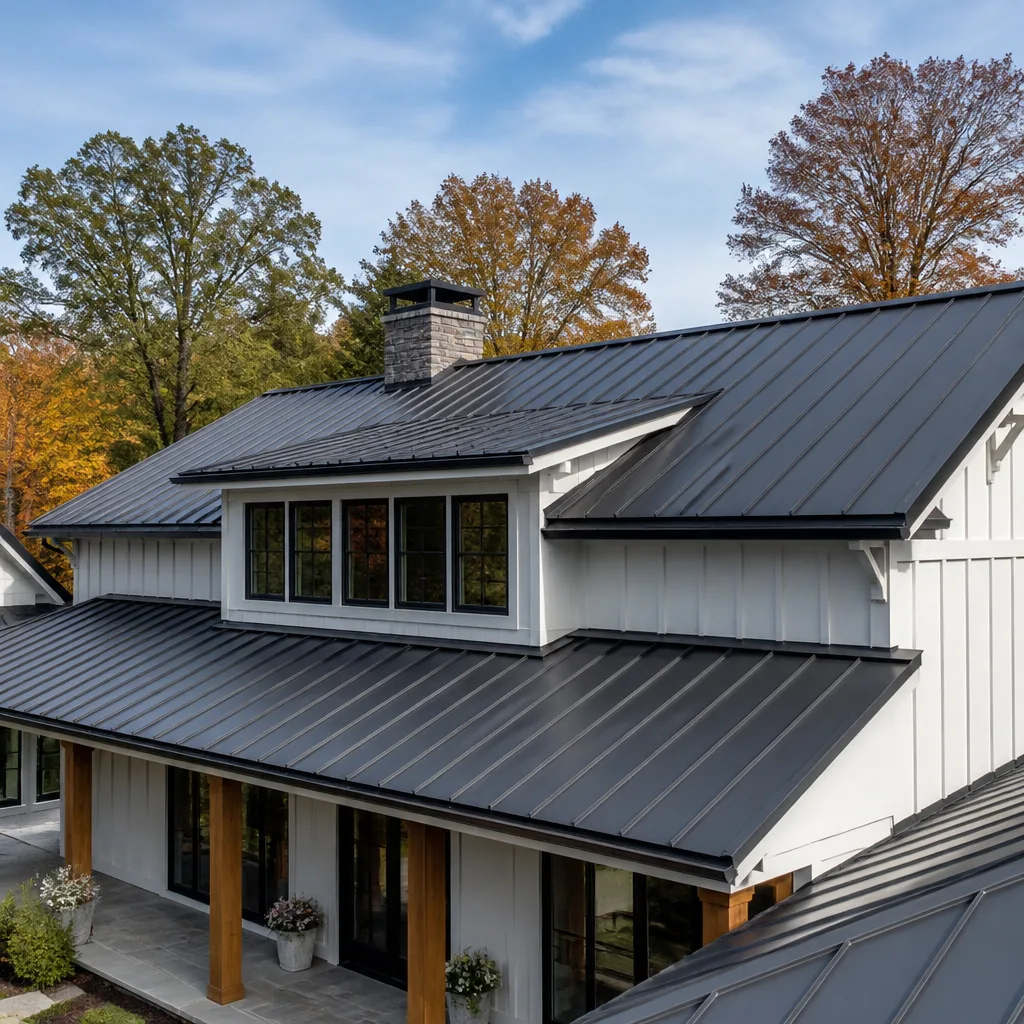 Metal roofing
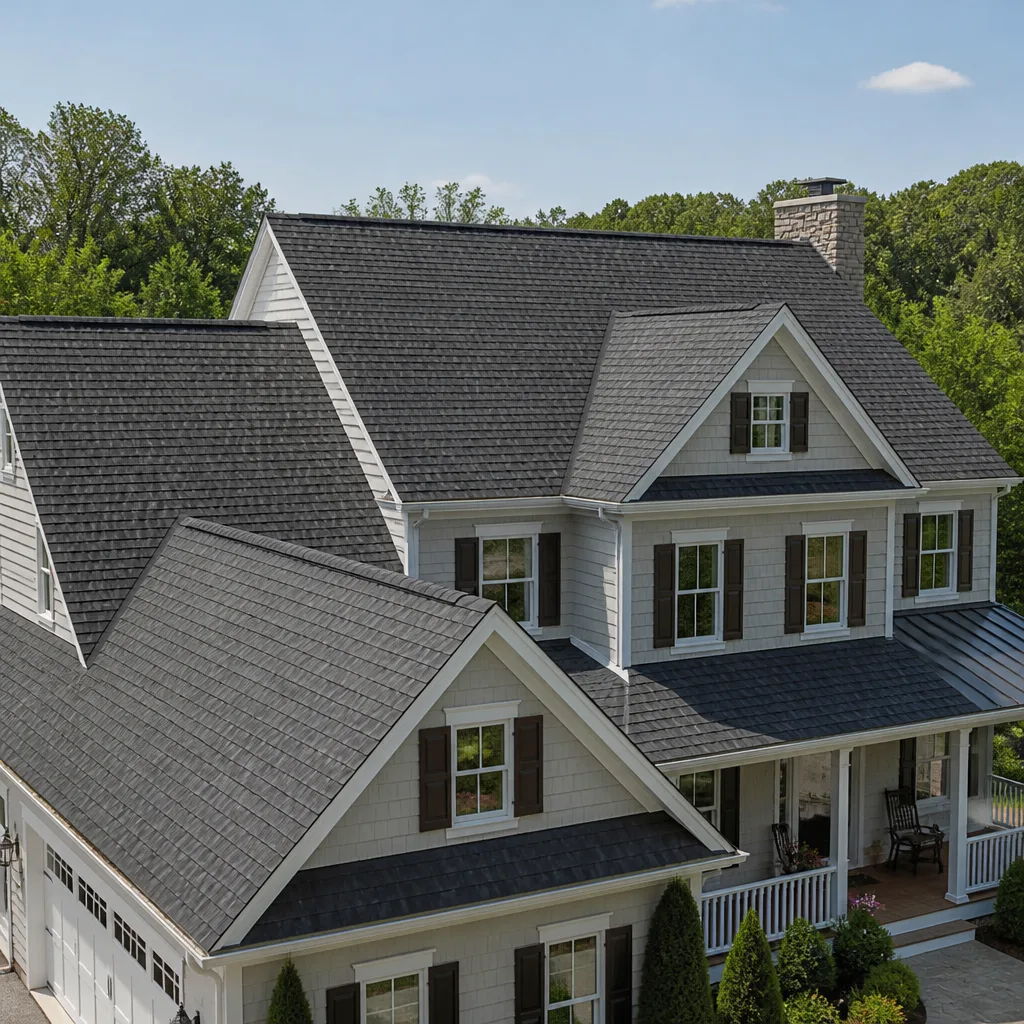
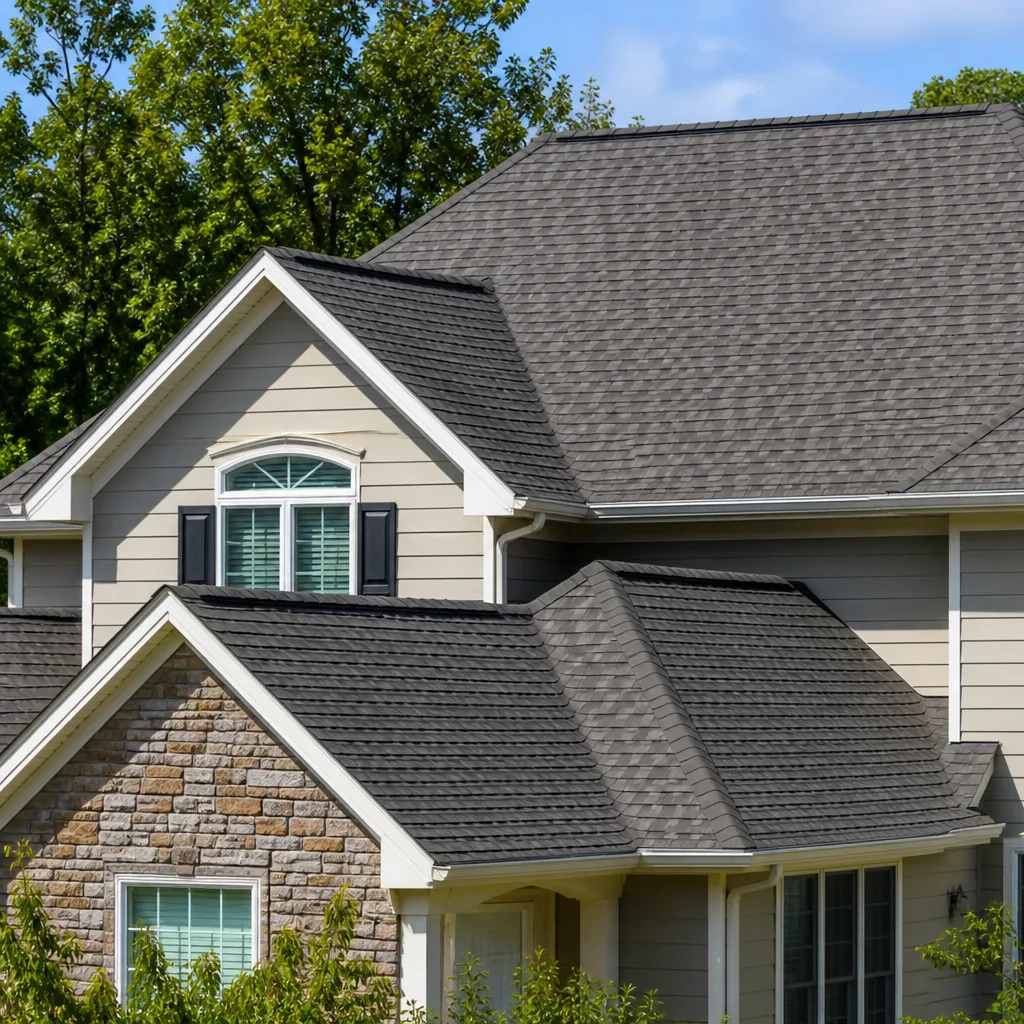 Architectural shingles
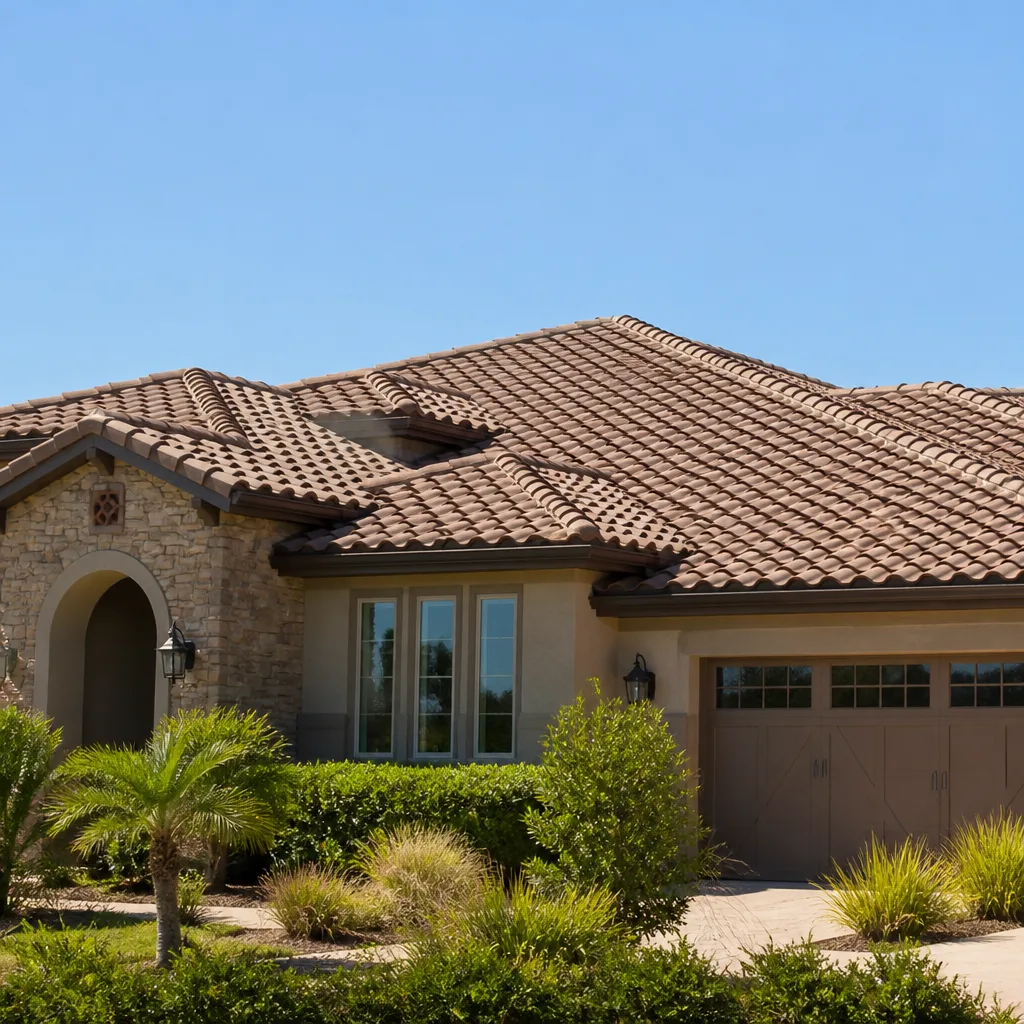 Tile roofing
 GAF
 Owens Corning
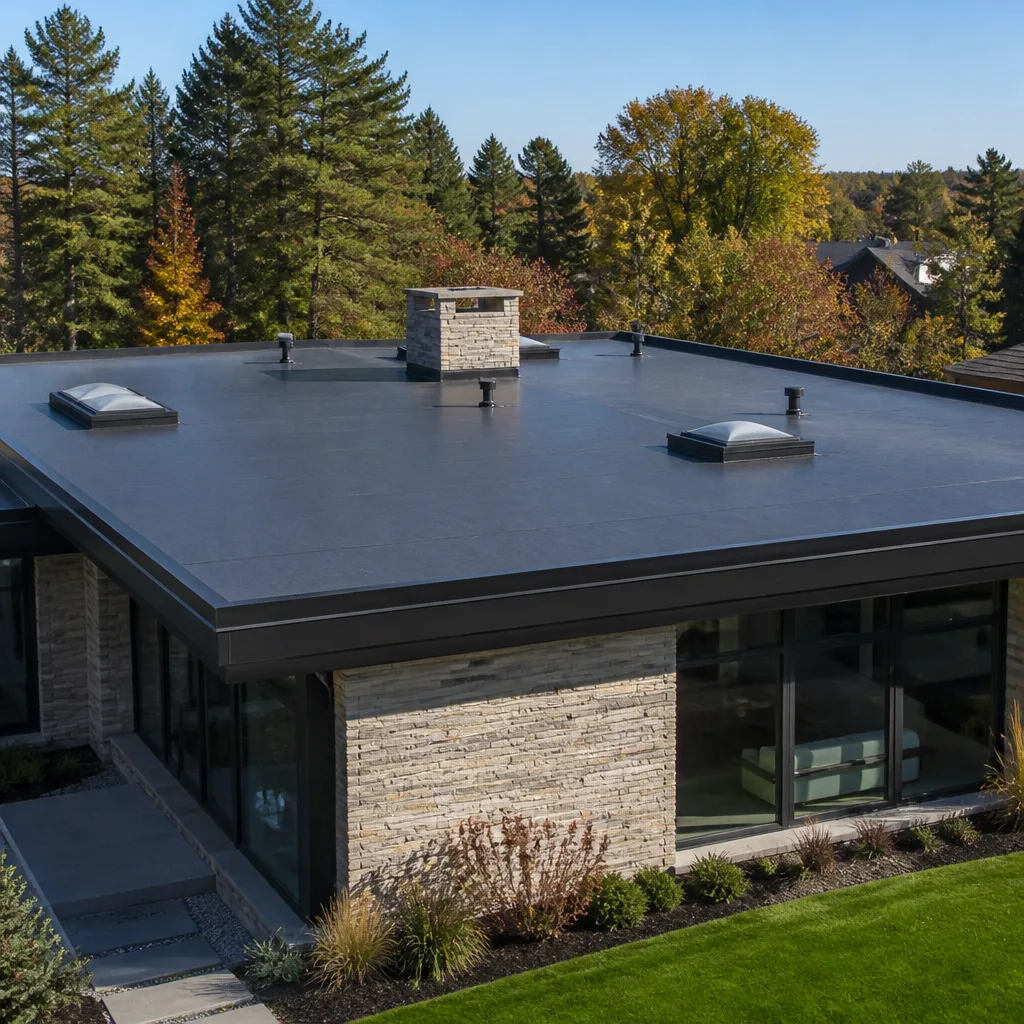 Flat & low-slope
Free roof inspection with deck photos before we talk money - GAF and Owens Corning certified installation
The Complete Guide to Roofing in Costa Mesa
Costa Mesa sits less than two miles from the Pacific, close enough that salt-laden marine air works on your roof every single day, even when the sky is perfectly clear. Most roofing guides treat Costa Mesa like any other Orange County suburb, but the corrosion patterns here tell a different story—our Complete Roof Repair Guide for Costa Mesa Homeowners covers the specifics most general guides miss. This guide covers what actually happens to roofs in Costa Mesa’s specific coastal microclimate, which materials hold up, what fails first, and how to make decisions that won’t need revisiting in five years.
Styles & brands we work with
Quick Answer
Roofing in Costa Mesa means choosing materials and maintenance strategies built for salt air, marine layer moisture, and periodic Santa Ana winds. The most durable roofs here pair corrosion-resistant fasteners and flashing with materials suited to your specific neighborhood’s exposure, and regular inspections catch the small failures before they become structural problems.
Table of Contents
- Why Costa Mesa’s Climate Demands Different Roofing Decisions
- How Salt Air Attacks Your Roof (And What Stops It)
- Marine Layer Moisture and the Algae Problem Nobody Mentions
- Roofing Materials Common in Costa Mesa
- Santa Ana Winds: What They Reveal About Roof Weak Points
- Roof Pitch and Drainage in Costa Mesa’s Terrain
- What Actually Happens During a Roof Inspection
- Repair or Replace: How to Decide
- Common Mistakes to Avoid
- When to Call a Professional
- Frequently Asked Questions
- The Bottom Line
Why Costa Mesa’s Climate Demands Different Roofing Decisions
Costa Mesa occupies a narrow band of Southern California where three distinct weather systems overlap. The Pacific Ocean sits close enough that morning marine layers roll through most of the year, depositing moisture on roof surfaces before burning off by midday. Salt particles ride in that same air, settling into every seam, fastener, and flashing joint. Then, between September and February, Santa Ana winds reverse the flow, blasting hot dry air from the desert toward the coast at speeds that routinely exceed 40 mph.
Each of these forces attacks a different part of the roof. Moisture feeds organic growth. Salt accelerates metal corrosion. Wind exploits every loose edge and worn seal. A roof that looks fine from the street can be quietly deteriorating at the flashing level, where the real structural protection lives.
Homeowners who move to Costa Mesa from inland cities often assume their roof maintenance schedule transfers unchanged. It doesn’t. The inspection intervals that worked in Riverside or Temecula won’t catch salt corrosion here, because the failure timeline is compressed. This is why roofing specialists in Costa Mesa consistently recommend more frequent visual inspections than their inland counterparts, particularly for homes built before 2000.
How Salt Air Attacks Your Roof (And What Stops It)
Salt air corrosion is the single most underappreciated roofing threat in Costa Mesa, because it works invisibly and slowly until the moment it doesn’t. We’ve opened up roofs in the Mesa Verde area that looked pristine from the exterior, only to find flashing so degraded it crumbled when touched. The shingles were fine. The metal that channeled water away from the shingles had quietly failed years earlier.
What Salt Actually Does
Salt is hygroscopic, meaning it attracts and holds moisture. When salt particles settle on metal flashing, fasteners, or pipe collars, they pull humidity from the air and create a low-grade electrolytic environment that accelerates oxidation. Galvanized steel, which works perfectly for decades in drier inland climates, can show meaningful rust in Costa Mesa within 10 to 15 years. Aluminum holds up better. Stainless steel best of all.
Where Corrosion Shows Up First
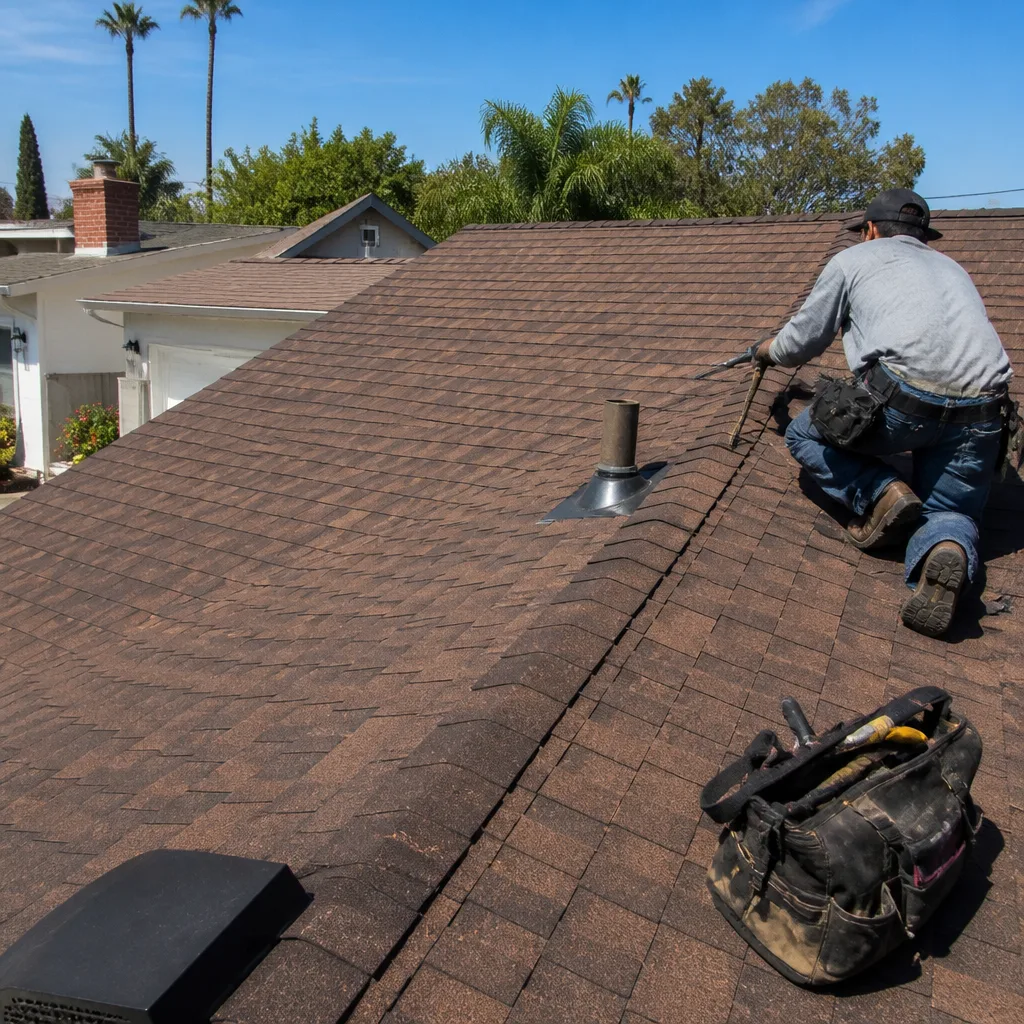
- Pipe collars and vent flashings: These exposed metal components sit directly in the salt-laden airflow. We see failures here before anywhere else.
- Valley flashing: Water concentrates in roof valleys, and so does salt, creating the perfect conditions for rust-through.
- Nail heads: Every exposed fastener is a corrosion point. The nails holding shingles in place can rust beneath the shingle surface, loosening the grip without any visible sign from above.
- Gutter fasteners and drip edge: The roofline perimeter catches wind-driven salt spray more directly than higher surfaces.
Materials That Resist Salt Air
Not all roofing materials respond to salt the same way. Tile, whether clay or concrete, shrugs off salt entirely at the material level, which is one reason it dominates older Costa Mesa neighborhoods. The vulnerability in tile roofs is the underlayment and fasteners beneath the tile, not the tile itself. Among shingle options, manufacturers including GAF and CertainTeed offer algae-resistant and enhanced corrosion specification lines designed for coastal exposure. The critical detail is what goes under and around the visible material: stainless steel or copper flashing, corrosion-rated fasteners, and proper underlayment make more difference than the shingle brand.
Boral’s concrete tile products, common on Costa Mesa’s replacement projects, carry inherent salt resistance and decades of real-world coastal performance. The material choice matters less than the installation details around it. A premium shingle installed with standard galvanized flashing will fail at the flashing long before the shingle wears out. A mid-grade shingle with stainless flashing and proper underlayment will outperform it.
Marine Layer Moisture and the Algae Problem Nobody Mentions
Costa Mesa averages only about 13 inches of rain per year, but the marine layer delivers moisture far more often than rainfall totals suggest. Between May and August, morning overcast conditions can keep roof surfaces damp for hours at a stretch. That sustained moisture, combined with temperatures that rarely dip below 50 degrees, creates exactly the environment algae and moss need.
Why Algae Is More Than Cosmetic
The black streaks visible on many Costa Mesa roofs are typically gloeocapsa magma, a cyanobacteria that feeds on the limestone filler in asphalt shingles. It doesn’t directly destroy shingles, but it traps moisture against the surface, accelerating granule loss and shortening the useful life of the shingle. On tile roofs, moss can establish in the gaps between tiles, lifting them slightly and creating entry points for wind-driven rain.
Neighborhoods Where It Appears Most
Homes closer to the 55 freeway and the industrial corridor see less marine layer persistence than neighborhoods like College Park or the Eastside, where dense mature tree canopies block afternoon sun and hold moisture longer. In our experience, north-facing roof planes in Costa Mesa show algae growth two to three times faster than south-facing planes on the same house.
What to Do About It
- Identify the organism correctly. Black algae and actual moss require different treatments. Power washing a tile roof to remove moss can destroy the tile’s protective surface and void manufacturer warranties.
- Choose algae-resistant materials on replacement. CertainTeed and GAF both manufacture shingle lines with copper-infused granules that inhibit algae growth. Tamko offers comparable algae-resistant options at a lower price tier.
- Improve sunlight exposure where possible. Trimming overhanging branches changes the moisture equation more effectively than any cleaning product.
- Schedule inspections timed to the marine layer season. A June inspection catches moisture problems at their peak, before the Santa Ana season arrives.
Roofing Materials Common in Costa Mesa
Drive through Costa Mesa’s established neighborhoods and you’ll notice the roofing landscape shifts block by block. The pattern isn’t random. It follows the city’s development history, HOA covenants, and the practical lessons homeowners have absorbed about coastal durability.
Clay and Concrete Tile
Tile dominates the older neighborhoods of Costa Mesa, particularly in the 92626 zip code and the Mesa Verde collection of tract homes built between the 1950s and 1970s. Many of these developments were originally built with clay tile or concrete tile as a premium selling point, and subsequent replacements have largely stayed with tile to maintain architectural consistency. Concrete tile from Boral and similar manufacturers now represents the majority of tile replacements because it costs less than clay while offering comparable durability. Tile handles salt air better than any shingle product, but the underlayment beneath tile typically lasts 20 to 30 years, meaning the roof needs a full tear-off even when the tile itself remains serviceable.
Architectural Asphalt Shingles
Newer construction and infill development in Costa Mesa, particularly in the 92627 zip code, favors architectural shingles. They’re lighter than tile, which reduces structural load requirements, and they install faster. The tradeoff is lifespan: a quality architectural shingle roof in Costa Mesa’s coastal environment can realistically deliver 20 to 25 years, while tile often exceeds 50. For homeowners deciding between them, the calculation usually comes down to budget and long-term plans for the home; our DIY vs Professional Roofing: The Costa Mesa Homeowner’s Decision Guide can help you weigh the tradeoffs.
Material Choices Across Budget Tiers
Spartan Roof Repair works with roofing products from seven of the industry’s most trusted roofing brands, which means recommendations are based on your home’s needs rather than a limited inventory. For budget-conscious replacements, Tamko’s architectural shingle lines offer solid performance at a lower price point. For mid-range durability, GAF and CertainTeed both manufacture shingles with algae resistance and enhanced wind ratings relevant to Costa Mesa’s Santa Ana exposure. For premium longevity, Boral concrete tile represents the top tier, with service lives that routinely exceed half a century when properly installed.
This material breadth matters because Costa Mesa properties vary dramatically. A 1950s ranch in College Park has different weight tolerances, aesthetic expectations, and HOA constraints than a newer build near Triangle Square. A straight answer about your roof starts with understanding which materials actually fit your structure and neighborhood, not which product line happens to be on the truck.
Santa Ana Winds: What They Reveal About Roof Weak Points
Santa Ana wind events hit Costa Mesa differently than they hit canyon communities like Silverado or foothill cities like Anaheim Hills. By the time the winds reach the coastal plain, they’ve lost some velocity but gained turbulence, funneling through the gaps between structures and creating unpredictable gust patterns. Wind damage in Costa Mesa rarely looks like the dramatic roof peel-offs seen in the Inland Empire. It’s subtler and, in some ways, more insidious.
What Wind Actually Does to a Roof
Sustained wind creates negative pressure on the leeward side of the roof, pulling upward on shingles and tiles. Each gust works like a prying motion, testing the seal between shingle layers and the grip of fasteners. A roof that survives one Santa Ana event may have weakened seals that fail during the next one, or the next strong winter storm. The damage is cumulative.
Common Wind-Related Failures in Costa Mesa
- Edge shingle lift: The perimeter of the roof takes the highest wind pressure. Shingles at the gable ends and eave edges are the first to lift.
- Broken tile at hip and ridge lines: These transition points interrupt smooth airflow, creating turbulence that concentrates force on individual tiles.
- Flashing separation: Wind vibration works metal flashing loose over time, opening small gaps that water finds during the next rain.
- Debris impact: Costa Mesa’s mature trees drop branches during wind events. A 10-pound branch at 40 mph punctures shingles and cracks tile.
What to Check After a Santa Ana Event
- Walk the perimeter of your home. Look for shingle tabs or tile fragments on the ground. Any material on the ground means something above has been compromised.
- Inspect the roof edges visually from ground level. Look for lifted shingle corners, shifted tiles, or exposed underlayment at the eaves.
- Check the attic for daylight. On a sunny day, light visible through the roof deck means a puncture or displaced material.
- Look for new water stains on ceilings. Santa Ana events are dry, but the damage they cause shows up during the next rain.
If you find evidence of wind damage, a professional roof inspection in Costa Mesa can determine whether you’re looking at isolated damage or the early warning signs of broader seal failure.
Roof Pitch and Drainage in Costa Mesa’s Terrain
Costa Mesa’s terrain is remarkably flat compared to neighboring Newport Beach or Huntington Beach’s bluff-adjacent communities. Most of the city sits on a gentle coastal plain with only modest elevation changes, which means the majority of residential roofs have low-to-moderate pitch. This has real drainage implications that many homeowners overlook.
Why Low Pitch Means Higher Drainage Risk
Roof pitch determines how quickly water moves off the roof surface. Steeper roofs shed water through gravity alone. Low-slope roofs, common in the 92626 zip code’s mid-century developments, allow water to pool for longer periods, giving it more time to find entry points. The combination of low pitch and Costa Mesa’s occasional intense rain bursts, where an inch can fall in under an hour, creates conditions that test every seal and seam.
Drainage Features That Matter Here
- Valley design: Roof valleys concentrate water from two planes. On low-pitch roofs, valley flashing must be installed with extra care because water moves through slowly enough to back up under improper sealing.
- Gutter capacity: Costa Mesa’s older neighborhoods were often built with gutters sized for average rainfall, not peak intensity. Undersized gutters overflow during heavy storms, sending water down exterior walls and into foundation areas.
- Scupper and downspout condition: On homes with a parapet or built-up roofing section, drainage relies on scuppers and downspouts. When they clog with leaves, pine needles, or debris from Santa Ana events, water backs up onto the roof surface.
- Roof-to-wall transitions: The junctures between roof surfaces and vertical walls need proper step flashing. In Costa Mesa’s older homes, we frequently find these transitions sealed with caulk alone, which fails within years, not decades.
For homeowners considering roof replacement, pitch is not just an aesthetic choice. A roof replacement in Costa Mesa can sometimes adjust pitch within structural limits, improving drainage and extending the life of the new roof. More commonly, the practical approach is to match the new roofing system to the existing pitch with proper underlayment and flashing details designed for low-slope conditions.
What Actually Happens During a Roof Inspection
A real roof inspection is more than a ladder and a quick walk-around. In Costa Mesa, where the threats are corrosion-based and often invisible from ground level, a proper inspection requires climbing onto the roof surface, examining the attic side, and understanding how the specific microclimate forces are affecting each component. We inspect it, we repair it, we replace it. The inspection is where that full-lifecycle approach begins.
The Six Things a Costa Mesa Roof Inspection Should Cover
- Surface condition assessment: Every shingle course or tile row gets a visual check for granule loss, cracking, curling, or displacement. On tile roofs, each tile is checked for hairline fractures invisible from below.
- Flashing and fastener inspection: All metal components at valleys, chimneys, vents, skylights, and roof-to-wall transitions are checked for corrosion, separation, and seal failure. In Costa Mesa, this is where problems most often hide.
- Attic-side examination: The underside of the roof deck reveals water intrusion that hasn’t yet shown on interior ceilings. Stains, dark streaks, or soft spots in the decking tell the real story.
- Drainage evaluation: Gutters, downspouts, scuppers, and valley channels are checked for clogging, misalignment, and capacity issues.
- Underlayment assessment: On tile roofs, the underlayment’s condition matters more than the tile itself. A tile roof can look perfect while its underlayment quietly disintegrates.
- Documentation with photos: Every finding should be photographed and explained, so you’re looking at evidence, not trusting a verbal summary.
A thorough roof inspection in Costa Mesa takes between 45 and 90 minutes for a typical home, depending on roof complexity and accessibility. If someone offers to inspect your roof from the ground in five minutes, you’re getting a sales call, not an inspection.
Repair or Replace: How to Decide
The repair-versus-replace decision comes down to three questions: What’s the extent of existing damage? What’s the remaining service life of the current roof? What’s the cost of deferring replacement versus doing it now? In Costa Mesa’s corrosive environment, the answers often differ from what a standard warranty chart would suggest.
When Repair Makes Sense
- Isolated storm or wind damage: A single damaged plane or a handful of broken tiles doesn’t justify full replacement.
- Underlayment still intact: On tile roofs, if the underlayment remains serviceable and the tile has years of life left, targeted roof repair in Costa Mesa is the right call.
- Younger roofs with one specific failure: A 5-year-old shingle roof with a failed pipe collar needs that collar replaced, not the whole roof.
- Budget constraints requiring phased work: Sometimes repair is the financially honest option while saving for replacement, done correctly and documented honestly as temporary.
When Replacement Is the Smarter Money
- Widespread flashing corrosion: If salt air has degraded flashing across multiple areas, repairing individual sections is throwing money at a systemic problem.
- Underlayment failure on tile roofs: Once underlayment fails, water damage to the deck beneath is already happening. Tile removal, underlayment replacement, and tile reinstallation is a replacement project.
- Shingle roofs past 80% of service life: Repairing a 20-year-old shingle roof in Costa Mesa’s environment rarely makes sense when replacement is imminent anyway.
- Recurring leak patterns: A roof that leaks in different places each rain suggests system-wide deterioration, not isolated failures.
The honest answer sometimes means telling a homeowner their roof doesn’t need work at all. A straight answer about your roof is the entire point. When we inspect a Costa Mesa roof and find it’s holding up well, that’s what we report. If you’re looking for a sales pitch, you’ll find plenty of contractors willing to provide one. Roofing specialists, not generalists, give you the diagnosis as it actually is.
Common Mistakes to Avoid
- Waiting for a leak to schedule an inspection. By the time water shows up on a ceiling in Costa Mesa, it has usually been penetrating the roof deck for weeks or months. A visible leak is an advanced problem, not an early warning.
- Using inland-grade galvanized flashing on coastal homes. This is the single most common installation shortcut we see on Costa Mesa roofs. It saves a few hundred dollars at installation and costs thousands later, sometimes within a decade.
- Power washing tile roofs to remove moss and algae. High-pressure washing strips the tile’s protective surface, accelerates the next round of organic growth, and can void manufacturer warranties. Gentle cleaning with appropriate methods works better.
- Ignoring HOA requirements until after materials are ordered. Several Costa Mesa neighborhoods have binding covenants dictating roof materials and even colors. Verify requirements before committing to a replacement.
- Choosing shingles based on shingle price alone. The shingle is one line item in a system. Flashing, underlayment, fasteners, and installation quality determine whether the roof lasts 15 years or 30.
- Assuming tile roofs never need attention. The tile itself may last 75 years, but the underlayment beneath it typically fails in 20 to 30. Tile roof owners need inspections more often, not less, especially in Costa Mesa’s moisture-heavy marine layer.
- Skipping attic inspection because the roof “looks fine.” Some of the most serious roof damage we’ve documented in Costa Mesa homes showed zero exterior signs. Salt corrosion works from the inside of joints outward.
When to Call a Professional
Some roofing situations are worth handling on your own. You can visually check for missing shingles after a wind storm, clear leaves from gutters, and note where algae growth appears on roof planes. Anything beyond visual observation warrants professional involvement. If you’ve spotted water stains on ceilings, found roofing material on the ground after a Santa Ana event, noticed flashing pulling away from walls or chimneys, or simply own a roof that hasn’t been professionally inspected in more than five years, schedule an inspection rather than guessing. Working with loose shingles, climbing onto steep roof planes, or prying up flashing without proper tools and safety equipment creates risk that no DIY repair is worth. Spartan Roof Repair offers free estimates in Costa Mesa. Call (855) 382-3237 and we’ll tell you honestly what your roof needs, even if the answer is nothing yet.
Frequently Asked Questions
Roof replacement costs in Costa Mesa typically range from $8,000 to $35,000 depending on material choice, roof size, and complexity. Architectural shingle roofs on an average Costa Mesa home run roughly $9,000 to $16,000, while concrete tile replacements typically fall between $18,000 and $35,000. These ranges reflect Costa Mesa’s specific labor market and the corrosion-resistant detailing appropriate to the coastal environment. Call (855) 382-3237 for an exact quote on your specific roof.
In Costa Mesa’s salt air environment, roofs should be professionally inspected every 3 to 4 years, even when no problems are apparent. Tile roofs need inspection on the same interval because underlayment failures are invisible from the surface. After major Santa Ana wind events, a visual check from ground level is smart, with professional inspection if you spot debris, displaced material, or water stains.
Coastal exposure in Costa Mesa demands corrosion-resistant flashing and fasteners regardless of the visible roofing material you choose. Stainless steel or copper flashing outperforms standard galvanized in salt air. For the roof surface itself, tile handles salt best, while algae-resistant shingle lines from manufacturers like GAF, CertainTeed, and Tamko address the moisture-related growth that affects asphalt products.
A tile roof can leak with all tiles intact because the underlayment beneath the tile has failed. Underlayment is the actual waterproof layer on a tile roof; the tile serves as protection for that layer. In Costa Mesa, underlayment typically lasts 20 to 30 years. Once it degrades, water passes through regardless of tile condition, which is why tile roofs need the same inspection frequency as shingle roofs.
Roof repairs in Costa Mesa can run slightly higher than inland Orange County cities due to the additional labor involved in proper coastal detailing and the higher cost of corrosion-resistant materials. The difference is typically modest compared to the cost of doing the repair twice. Using inland-grade materials for coastal repairs saves upfront money and fails early.
Full roof replacements in Costa Mesa require permits through the city’s building division, and legitimate contractors pull them as part of the project. Repairs that don’t alter the roof structure generally don’t require permits, though the specifics depend on scope. Any contractor suggesting you skip permits on a replacement is asking you to accept unverified workmanship and potential resale complications.
The Bottom Line
Costa Mesa roofing decisions hinge on factors that generic guides miss entirely: salt air corroding metal components from the inside out, marine layer moisture feeding algae growth in a climate with minimal rainfall, and Santa Ana winds exploiting every weak seal and loose fastener. The roofs that last in this environment combine appropriate materials with installation details that account for coastal exposure, and they get inspected regularly enough to catch corrosion before it becomes structural. Whether you’re repairing storm damage, evaluating an aging roof, or planning a full replacement, the decision-making framework is the same: understand what your specific roof faces, choose materials that match those conditions, and work with someone who gives you honest answers. The team at Spartan Roof Repair is ready to help if you need one.
Written by the team at Spartan Roof Repair, serving Costa Mesa since 2017. Browse our more guides & resources on coastal roofing.
See the difference
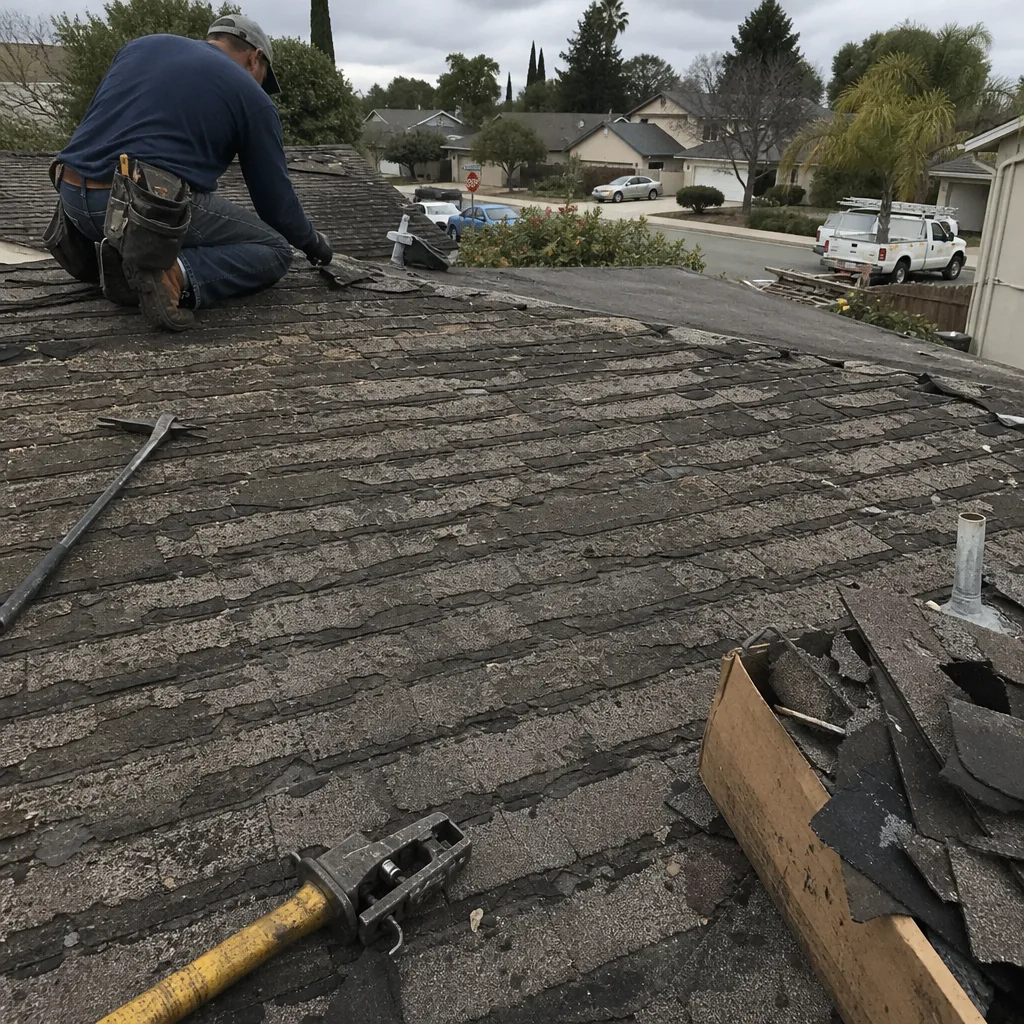 Before
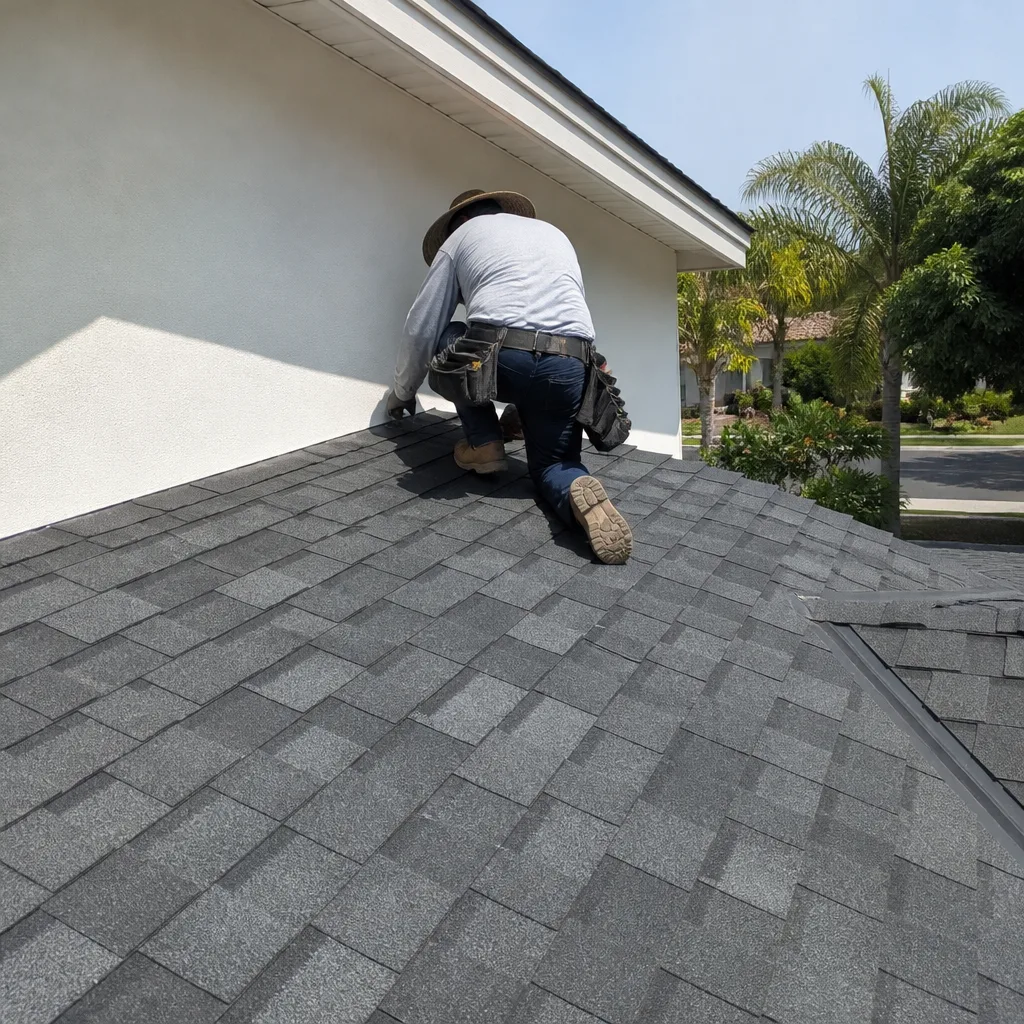 After
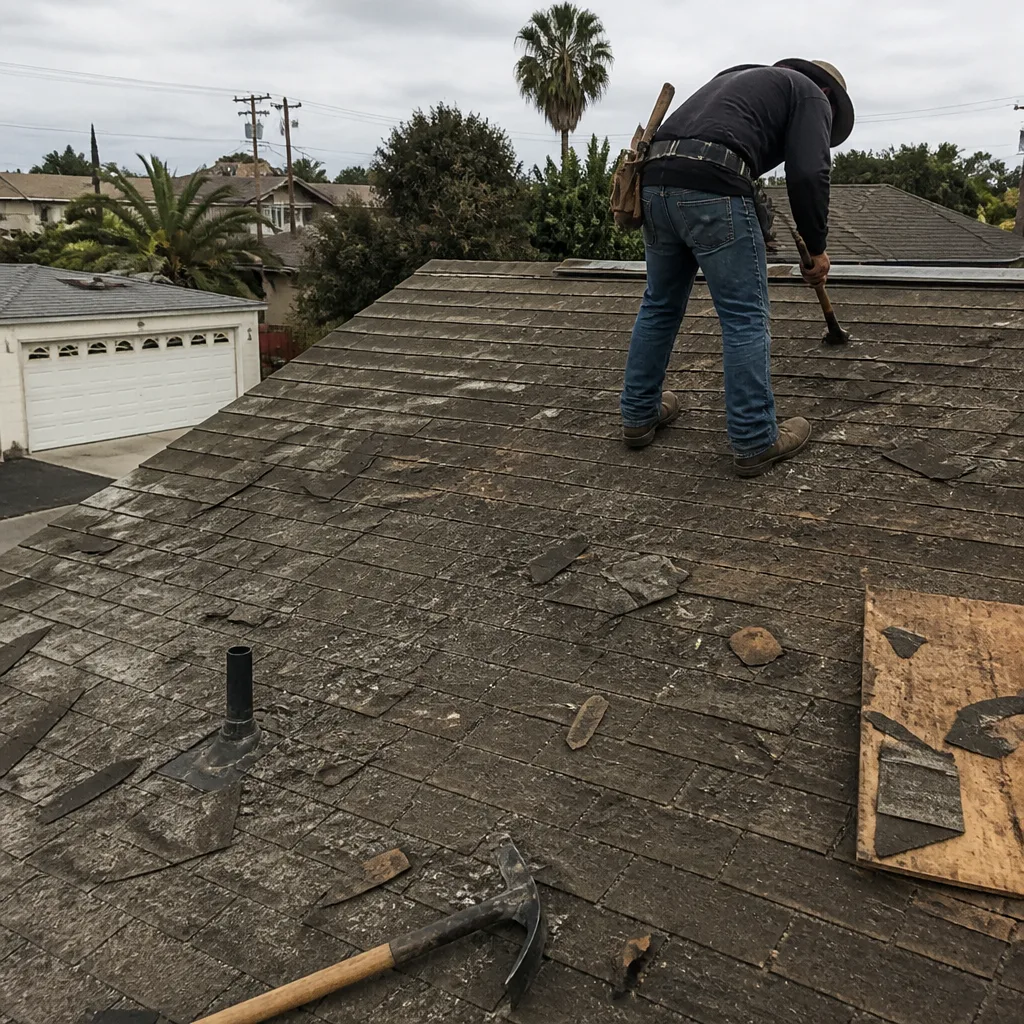 Before
 After
 Before
 After