
Last updated October 31, 2026
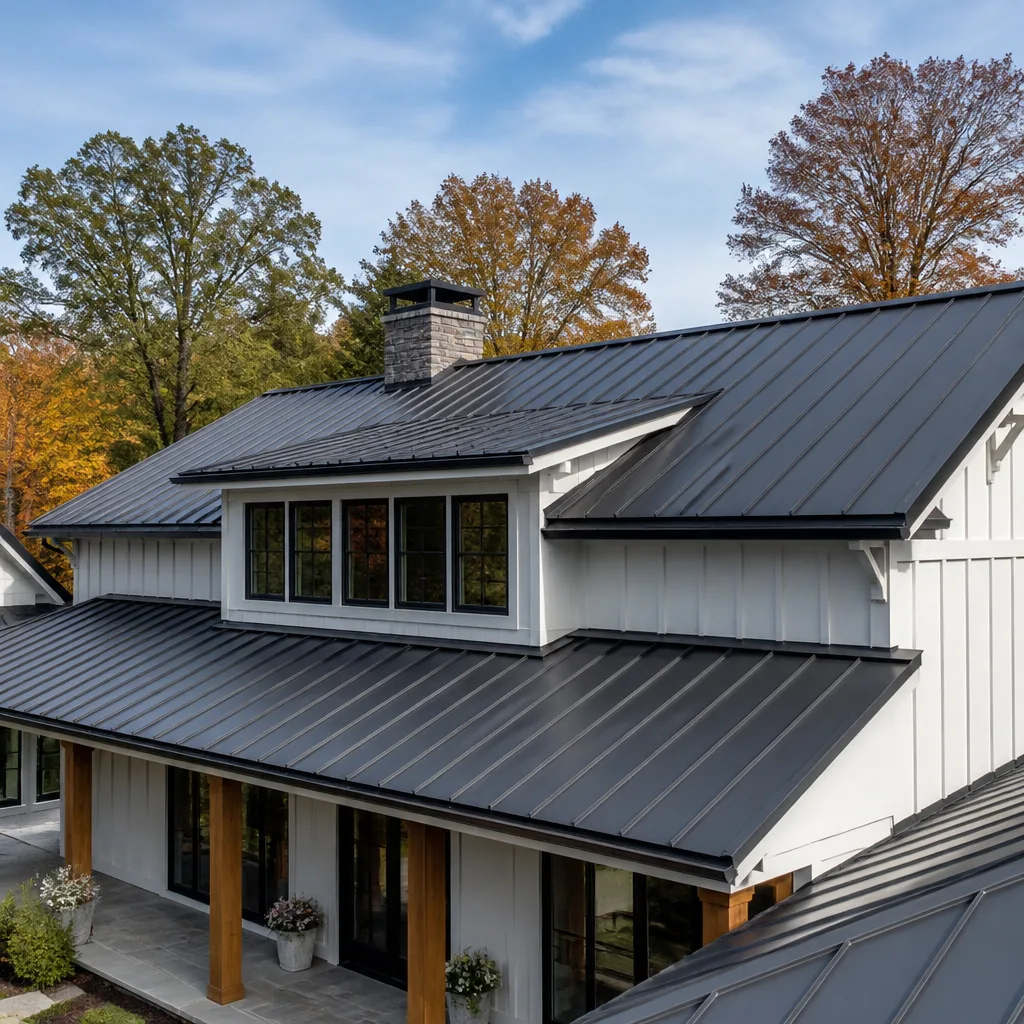 Metal roofing
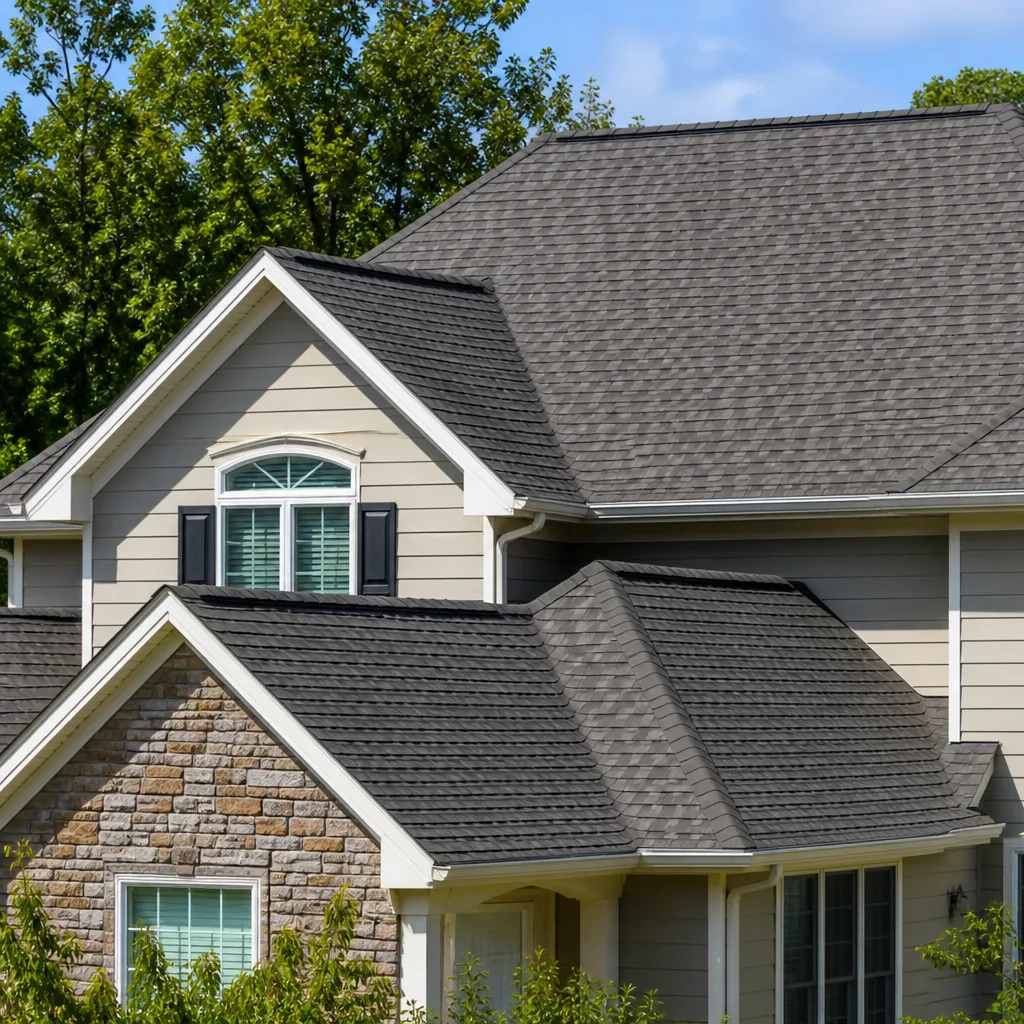 Architectural shingles
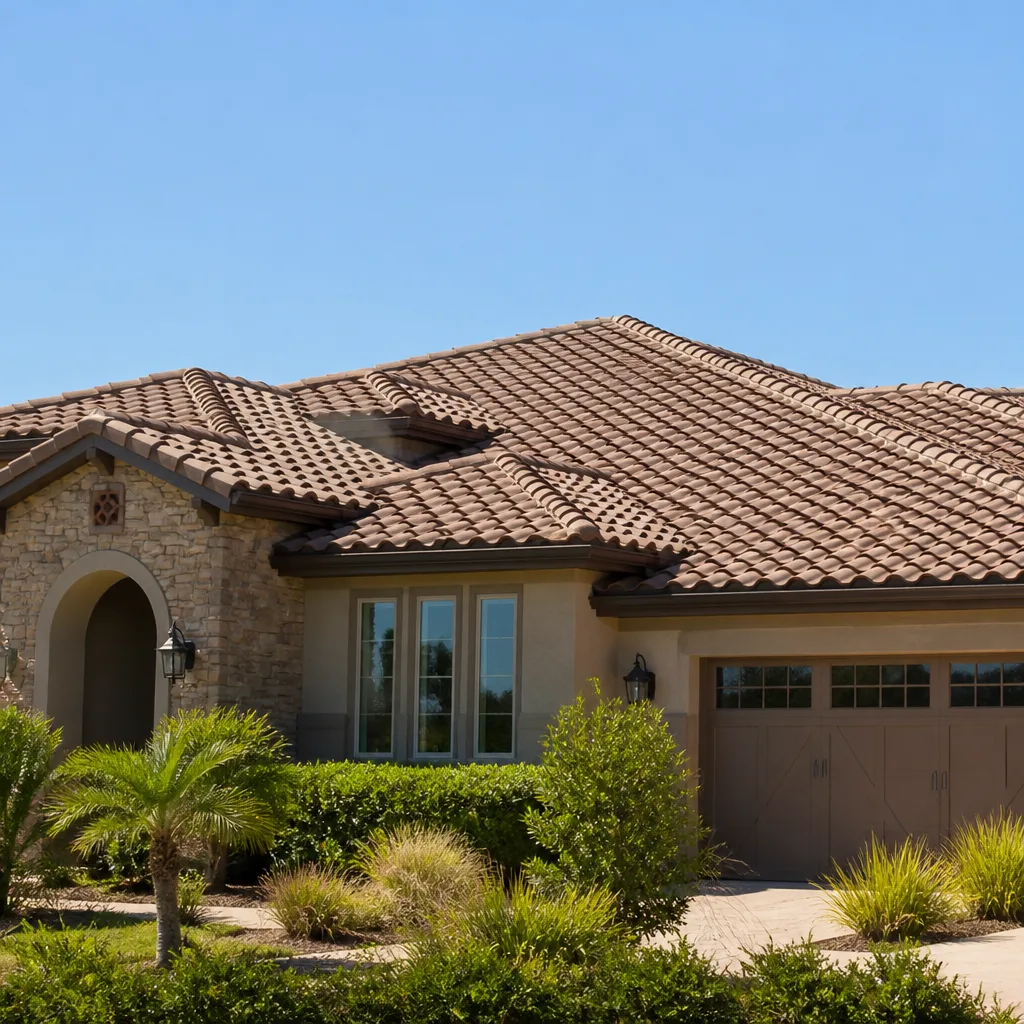 Tile roofing
 GAF
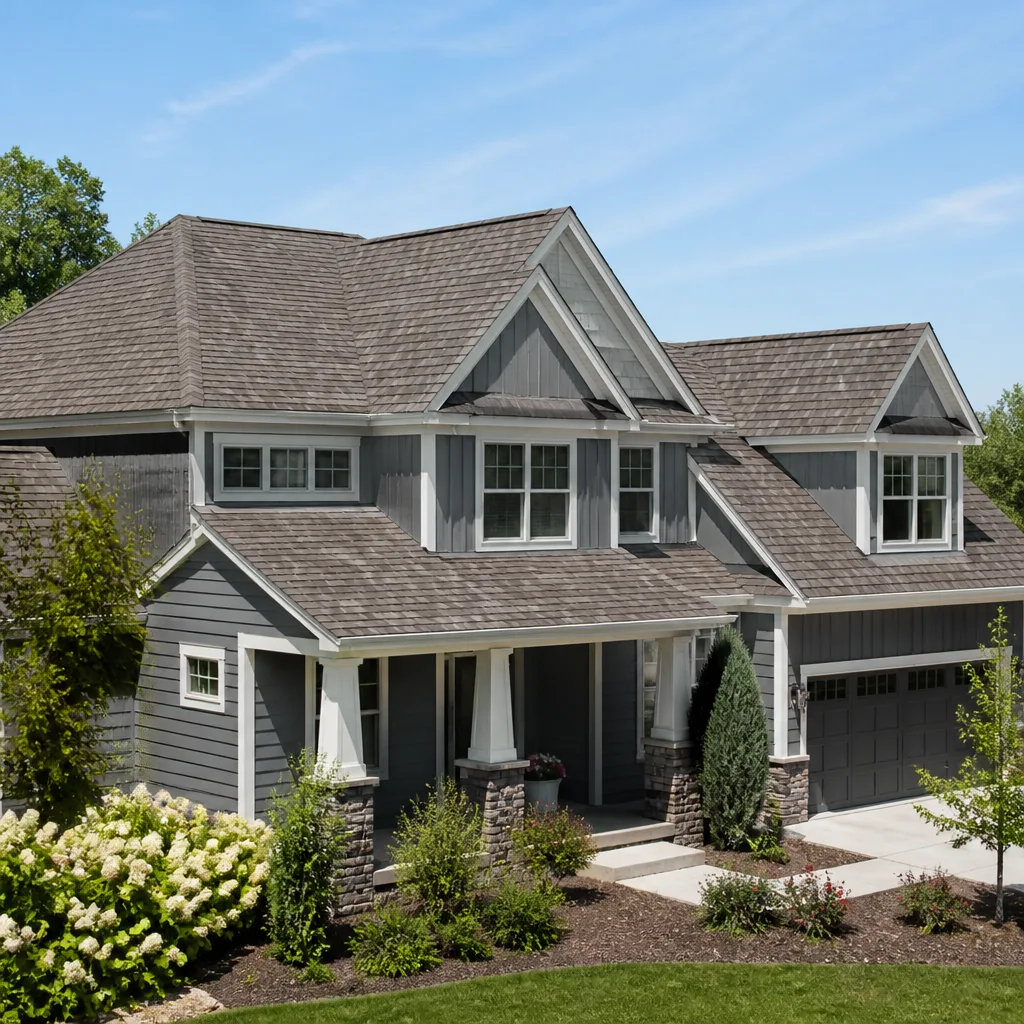 Owens Corning
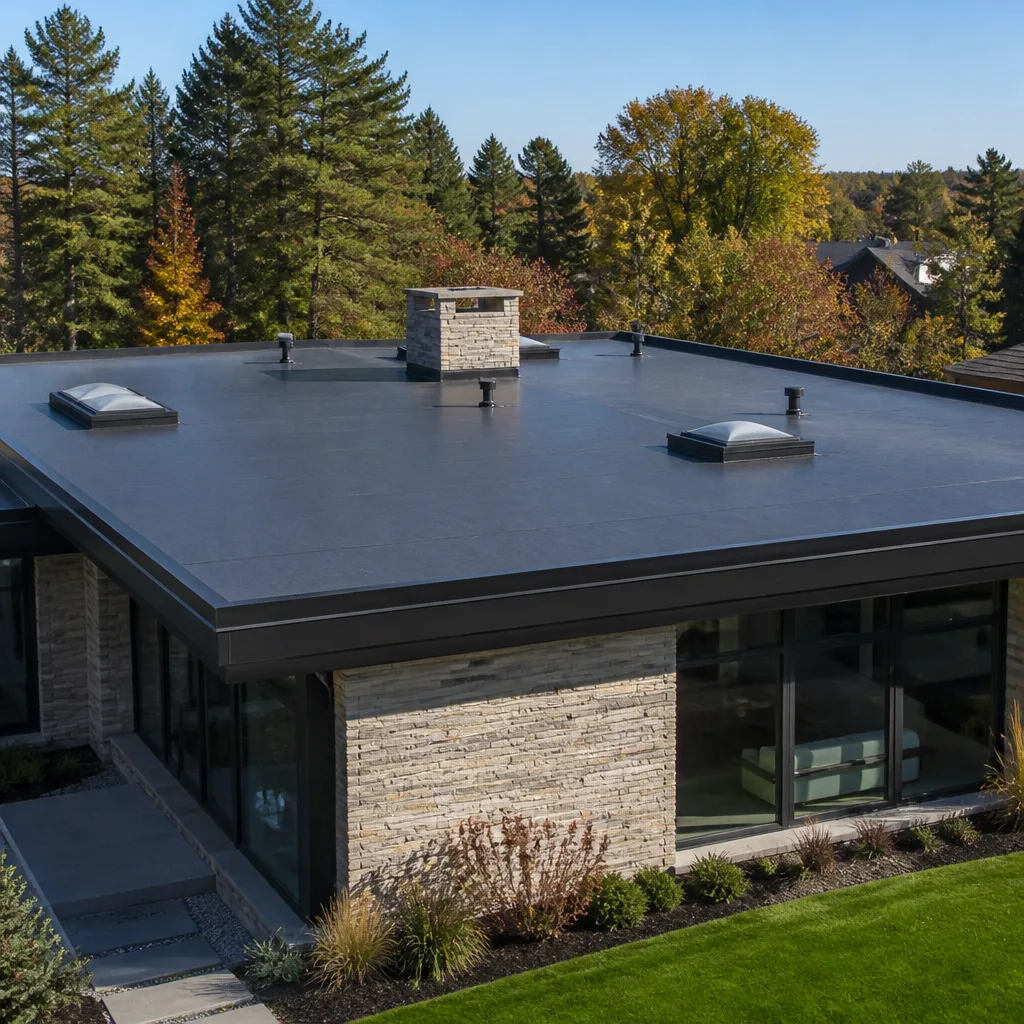 Flat & low-slope
Free roof inspection with deck photos before we talk money - GAF and Owens Corning certified installation
Roofing Cost Breakdown: The Costa Mesa Homeowner’s Reference for 2026
The average Costa Mesa homeowner gathers three quotes for a roof replacement and sees a spread of $4,000 to $9,000. That gap rarely reflects dishonesty. It reflects a broken quoting process where line items are opaque, assumptions are hidden, and homeowners are forced to compare numbers without a framework for what those numbers actually mean. This guide exists to fix that. By the time you finish reading, you’ll know exactly which costs are legitimate variables in the Costa Mesa market, which line items are padding, and how to read a roofing quote the way a contractor does.
Quick Answer
A full roof replacement in Costa Mesa in 2026 typically costs between $11,500 and $34,000 depending on roof type, size, pitch, and material grade. Composition shingle roofs run $550 to $750 per square installed, concrete tile runs $1,100 to $1,800 per square, and TPO flat roofing runs $650 to $950 per square. The single biggest driver of quote variance is not labor or materials, it’s the absence of a standardized line-item breakdown across contractors.
Styles & brands we work with
Table of Contents
- What Costa Mesa Roofing Actually Costs Per Square in 2026
- Material Cost Ranges: Shingle, Concrete Tile, and TPO
- Labor Variables That Are Legitimate in Orange County
- Permits, Disposal, and Fees: The Line Items Every Quote Needs
- Upgrade Line Items: What’s Worth It and What’s Padding
- How to Tell If a Contractor Plans to Cut Corners
- Common Mistakes to Avoid
- When to Call a Professional
What Costa Mesa Roofing Actually Costs Per Square in 2026
A “square” in roofing means 100 square feet. When a contractor tells you your roof is 24 squares, they mean 2,400 square feet of roofing surface. This is the unit every quote uses, and it’s the first place homeowners lose the thread. Here are the real 2026 installed cost ranges in Costa Mesa, including materials, labor, and standard underlayment for a roof with average accessibility and a moderate pitch.
2026 Costa Mesa Installed Roofing Costs Per Square
| Roof Type | Material Cost Per Square | Installed Cost Per Square | Typical Total (2,000 sq ft roof) |
|---|---|---|---|
| Composition Shingle (GAF, CertainTeed, Owens Corning, IKO, Atlas, Tamko) | $180 – $320 | $550 – $750 | $11,000 – $15,000 |
| Concrete Tile (Boral, US Tile, Eagle) | $450 – $900 | $1,100 – $1,800 | $22,000 – $36,000 |
| TPO Flat Membrane | $250 – $400 | $650 – $950 | $13,000 – $19,000 |
What this table does not capture is the spread within each category. A 30-year architectural shingle from GAF or CertainTeed will land on the higher end. A three-tab shingle, which has largely fallen out of favor in Costa Mesa due to wind performance and aesthetic preference, lands lower but carries a shorter service life. Material cost differences are real, but they’re rarely the reason one quote is $6,000 higher than another. Labor, roof condition, and line-item discipline are.
In our experience replacing roofs across Costa Mesa, from the Mesa Verde neighborhoods to the Eastside, the homes that generate the widest quote spreads are single-story ranch and mid-century tract homes built before 1980. These are also the homes most vulnerable to sudden failure during storms, which is why we published a Roofing Emergency Preparedness Guide for Costa Mesa Homes. These roofs often have multiple layers, older decking, and degraded flashing, all of which get priced differently depending on whether the contractor actually walked the roof or quoted from a satellite image.
For a detailed look at what goes into a full roof replacement in this market, read our roof replacement guide for Costa Mesa homeowners.
Material Cost Ranges: Shingle, Concrete Tile, and TPO
Costa Mesa’s housing stock splits into three broad roofing categories: composition shingle, concrete tile, and flat TPO membrane. Each has a distinct cost profile, and each interacts with our coastal microclimate differently. Understanding the material economics before you talk to any contractor will keep you from being upsold into a product tier you don’t need, or undersold into a roof that won’t hold up to the marine layer and afternoon sun.
Composition Shingle: The Workhorse
Shingle dominates Costa Mesa because it’s cost-effective, durable, and available in multiple product tiers. With seven major manufacturers producing shingles, including GAF, CertainTeed, Owens Corning, IKO, Atlas, and Tamko, homeowners have genuine choice here. The entry-level architectural shingle begins around $180 per square in raw material cost. Premium lines with enhanced wind ratings, impact resistance, and refined granule blends push toward $320 per square. The installed cost you pay includes tear-off, underlayment, fasteners, flashing, ridge caps, and labor, which typically adds $350 to $430 per square on top of materials.
In Costa Mesa’s coastal climate, shingle roofs face two specific challenges. First, the marine layer deposits moisture that accelerates granule loss on lower-grade products. Second, the dry, sunny afternoons create thermal cycling stress that separates cheap shingles from their sealant strips over time. We consistently recommend at minimum a mid-tier architectural shingle rated for 110 mph wind uplift, which is standard for most Southern California product lines from Atlas and Tamko at the value end and GAF and CertainTeed at the premium end.
Concrete Tile: The Long Game
Concrete tile is a major segment in Costa Mesa, especially in Eastside and Mesa Verde, where Spanish and Mediterranean architecture dominates. Raw concrete tile from Boral and US Tile runs $450 to $900 per square, which sounds expensive until you account for a 50-year-plus service life. The installed cost is higher because tile requires a heavier underlayment, more careful fastening, and experienced labor. A botched tile installation fails at the underlayment level, not the tile level, which is why the labor line item on a tile roof is not the place to shop for a discount.
Concrete tile also adds structural load. If your home was originally built with shingle and you want to convert to tile, expect engineering and possible truss reinforcement costs. That conversion can add $3,000 to $8,000 to the project before the first tile is laid. In most Costa Mesa homes built with tile originally, the structure is already sized for the load, and replacement is a straight tear-off and re-tile.
TPO Flat Membrane: The Commercial Crossover
Flat and low-slope roofs appear throughout Costa Mesa, particularly on mid-century modern homes and residential additions. TPO, or thermoplastic polyolefin, has become the standard replacement material for these roofs. It’s white, which reflects solar heat and reduces cooling load during Costa Mesa’s hot inland afternoons. Installed cost runs $650 to $950 per square, with the spread driven by membrane thickness, insulation upgrades, and whether the existing roof requires full tear-off or can receive a recover overlay.
TPO is welded at the seams, not glued or nailed, which means the installer’s skill directly determines leak resistance. The product itself is commodity-priced. The labor is not. If you see a TPO quote that undercuts competitors by 30% or more, look carefully at the insulation line item and the seam-welding scope. Those are the two places installers cut on flat roofs.
Labor Variables That Are Legitimate in Orange County
Labor is the least understood cost in roofing. Southern California has one of the highest roofing labor rates in the country, driven by a combination of prevailing wage requirements on certain projects, a competitive subcontractor market, and the physical intensity of the work. In Costa Mesa and the broader Orange County market, labor costs are legitimate variables, but only within a predictable band. Here’s what actually moves the labor number on your quote.
Union vs. Non-Union Crews
Union roofing crews, common on commercial and large multifamily projects, carry higher hourly rates and benefits packages that push labor costs 20 to 35% above non-union crews. On a single-family home in Costa Mesa, you will almost certainly be quoted by a non-union or mixed crew. If a contractor tells you they only use union labor on a residential re-roof, that’s a legitimate line-item difference, but it’s one you should be able to verify. Most Costa Mesa residential roofing is performed by non-union crews at rates ranging from $220 to $320 per square in pure labor cost.
Roof Pitch and Height
Pitch is the single biggest labor multiplier in residential roofing. A roof with a 4/12 pitch, which means it rises four inches for every foot of run, is straightforward work. A roof with a 7/12 or 8/12 pitch requires safety harnesses, jacks, and slower production. The higher the pitch, the more labor hours per square. Most Costa Mesa homes fall between 3/12 and 6/12 on their main slopes, with some Eastside and Mesa Verde homes pushing steeper on two-story elevations. A steep-pitch premium of 10 to 25% on labor is standard. If a quote includes this line item, it’s not padding. If it doesn’t, the contractor may not have actually assessed your roof’s pitch.
Tear-Off Layers
Building code allows a maximum of two layers of composition shingle on a residential roof. If you have two layers that need to come off before new roofing goes down, that’s additional labor and disposal. In Costa Mesa, tear-off of a single layer costs $60 to $100 per square. A second layer adds another $60 to $110 per square because it’s slower, dirtier work and creates more debris. Contractors who quote a replacement without identifying the number of existing layers are guessing. We’ve walked roofs in Costa Mesa where three layers of shingle were stacked, a code violation that adds real cost when it’s properly corrected.
What Inflated Labor Looks Like
Inflated labor is when a contractor pads the labor line item to compensate for not doing the actual assessment work. It shows up as a single vague number with no breakdown, no mention of pitch or layers, and no explanation of crew size or timeline. A legitimate labor quote in Costa Mesa tells you how many days the crew will be on site, how many crew members will be working, and what the per-square labor rate is. If you can’t get those three numbers, you’re looking at a guess, not a quote. The remedy is a written line-item quote, the kind you’ll get from any roofing specialist who actually wants the job. For reference, a typical single-family home in Costa Mesa with a 3/12 to 5/12 pitch and one tear-off layer should not see labor exceed $320 per square before any accessibility adders.
Permits, Disposal, and Fees: The Line Items Every Quote Needs
Every legal roofing project in Costa Mesa requires a building permit, and permitting costs are set by the city, not the contractor (see Roofing Permits, Codes & Inspections in CA: What You Need to Know). Costa Mesa uses a valuation-based permit fee structure, meaning the permit cost scales with the total project valuation. For a typical single-family re-roof in the $15,000 to $25,000 range, you should expect a permit fee of $400 to $650. The contractor should also include a separate line item for plan check or review fees, which can add another $50 to $150 depending on project complexity.
- Verify the permit line item. A quote without a permit line item is either a contractor planning to work unpermitted or a quote that will grow once permits are pulled. Neither is acceptable.
- Confirm disposal fees. Tear-off debris from a 2,000 square foot roof typically requires one to two 20-yard dumpsters at $450 to $800 each, including hauling and landfill fees in Orange County. This should appear as a line item.
- Check for city-specific requirements. Costa Mesa enforces California’s Title 24 cool roof standards for new construction and certain retrofit scenarios. If your project triggers Title 24, expect an additional compliance line item of $200 to $500.
- Look for the “unknowns” contingency. A reputable contractor will include a small contingency, typically 3 to 5%, for decking replacement or flashing damage discovered after tear-off. A contractor who quotes zero contingency is planning to bill you for surprises after work starts.
Decking replacement deserves its own mention. Costa Mesa homes built in the 1950s through 1970s commonly have 1/2-inch plywood or, in some cases, skip sheathing that no longer meets code. If your decking is rotted, delaminated, or spaced incorrectly, you’ll need sections replaced at $3 to $5 per square foot. A contractor who identifies potential decking replacement in the quote is doing honest work. A contractor who doesn’t mention it, then “discovers” the problem on day two, is managing you, not the project.
For a detailed look at how inspections intersect with replacements, review our Costa Mesa roof inspection guide.
Upgrade Line Items: What’s Worth It and What’s Padding
The upgrade section of a roofing quote is where legitimate recommendations and margin-padding collide. Costa Mesa homeowners see the same upgrade line items repeatedly, and most have real technical merit. The issue is that some are presented as necessary when they’re optional, or as premium when they’re standard. Here’s how to tell the difference.
Enhanced underlayment. Standard underlayment in Southern California is a 30-pound felt or a synthetic equivalent. Enhanced underlayment means a heavier synthetic product with better tear resistance and water-shedding properties, typically $50 to $80 per square in added material cost. In Costa Mesa’s coastal climate, with its marine layer and occasional heavy winter rain, a synthetic underlayment upgrade is worth the money on shingle roofs. On concrete tile roofs, enhanced underlayment is not an upgrade, it’s a requirement. The tile system’s water resistance comes from the underlayment, not the tile itself. If a contractor lists enhanced underlayment as an optional add-on on a tile roof, that’s a red flag.
Ice and water shield. This self-adhering membrane is standard in cold climates where ice dams form. In Costa Mesa, where ice dams do not exist, ice and water shield is only code-required in specific valleys, around penetrations, and at eave edges in certain fire zones. A contractor recommending a full roof ice and water shield application in Costa Mesa is either uninformed or padding the quote. Ask why it’s being specified for your specific roof.
Premium ridge caps. Every shingle roof needs ridge caps, but the difference between standard caps and enhanced or colored caps is mostly aesthetic. If the line item adds more than $200 total for upgraded ridge aesthetics, it’s a margin play.
Attic ventilation upgrades. Costa Mesa homes with poor attic ventilation suffer accelerated shingle aging and higher cooling loads. Adding or upgrading ventilation is a legitimate recommendation, but only if tied to specific findings: measured attic temperature, evidence of moisture, or visible soffit and ridge vent deficiencies. Generic “ventilation package” line items without a diagnostic basis are padding. The right question to ask is, “What specific airflow deficiency did you measure in my attic?”
See the difference
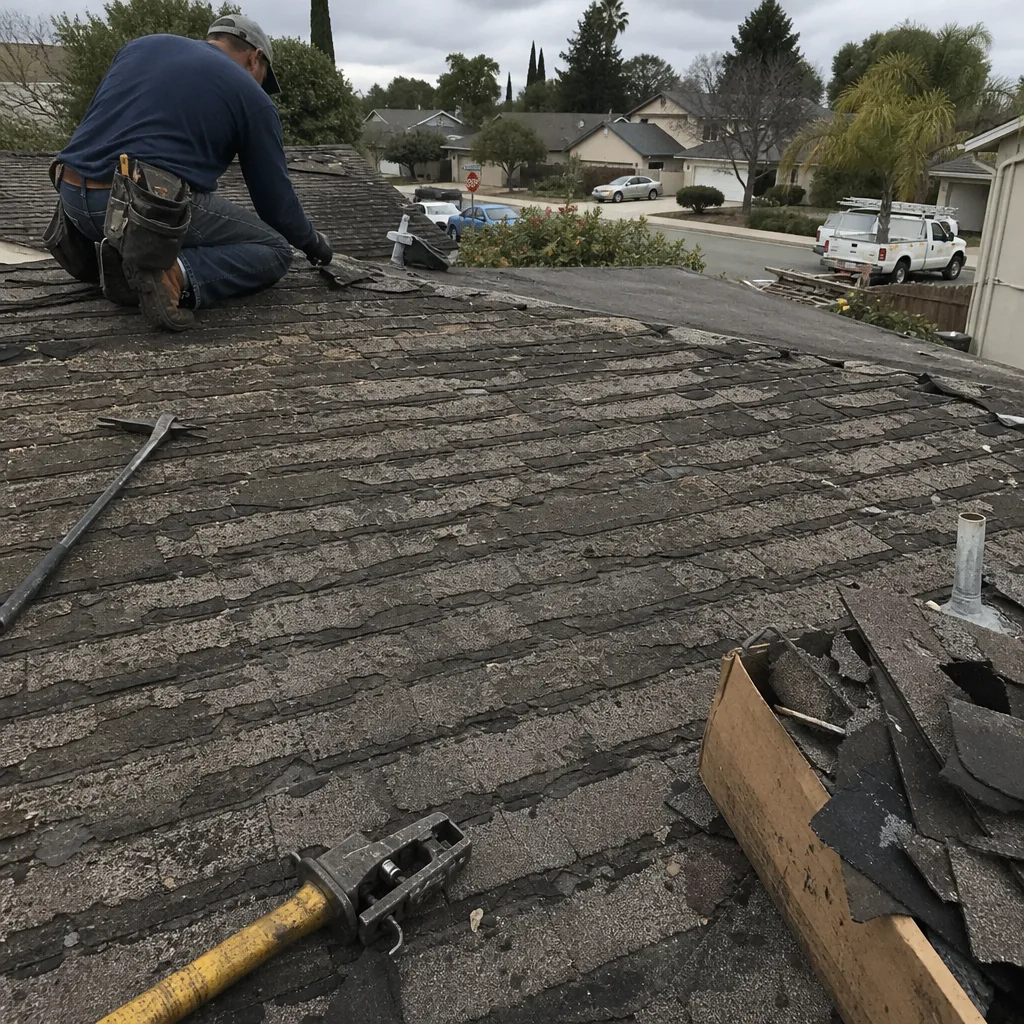 Before
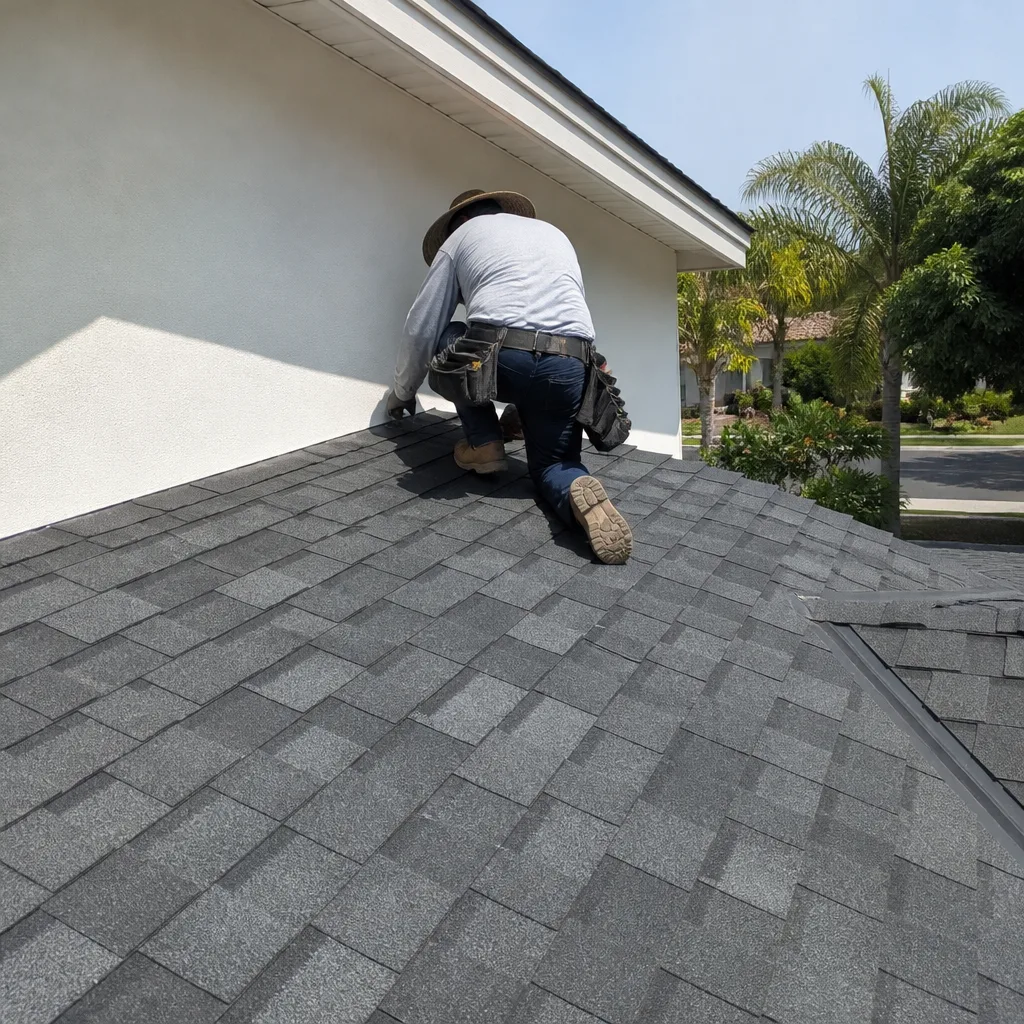 After
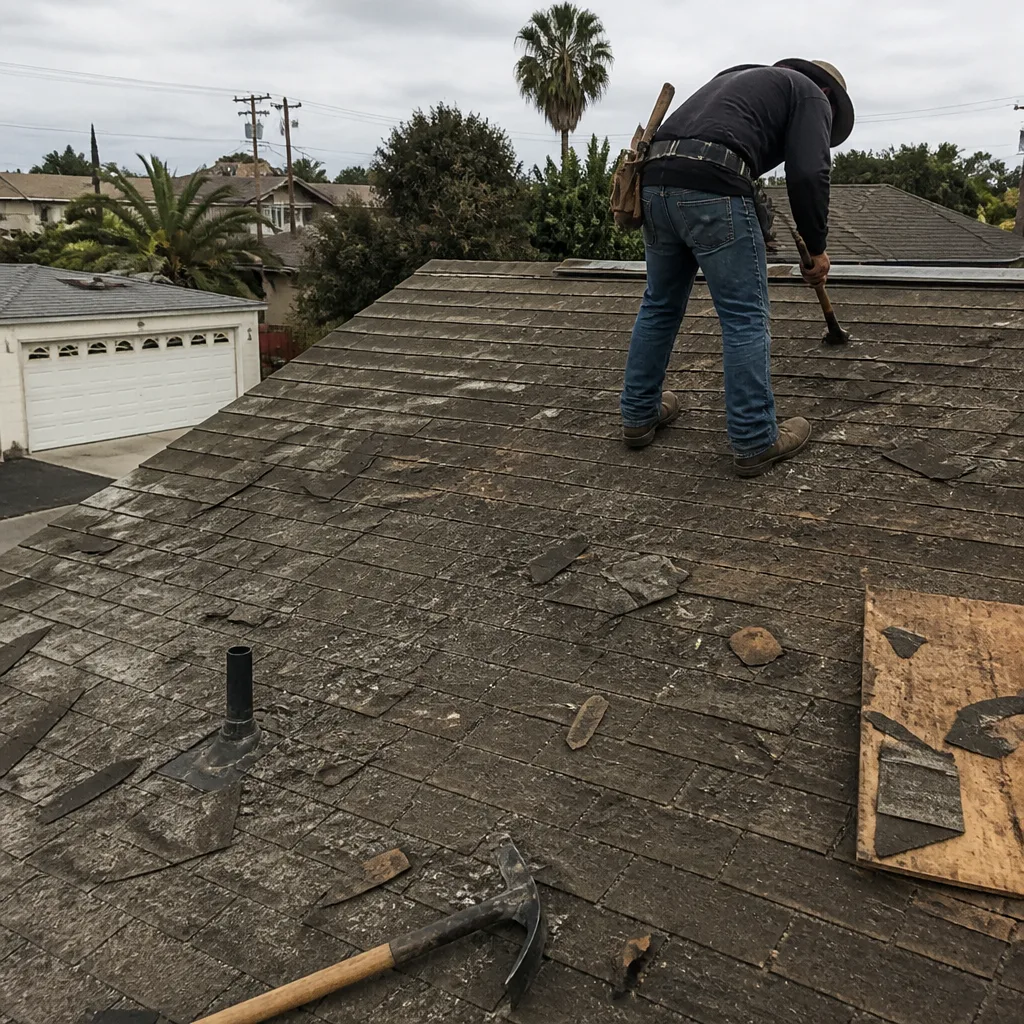 Before
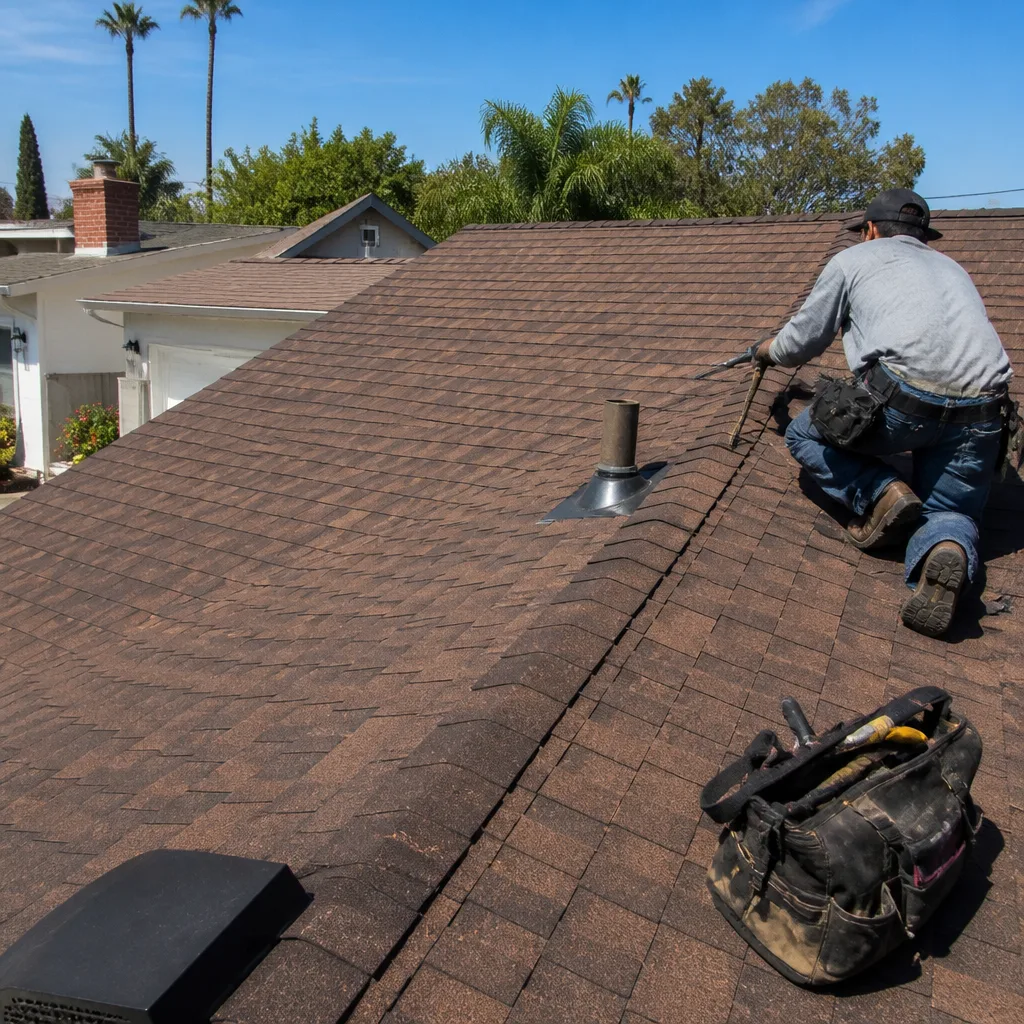 After
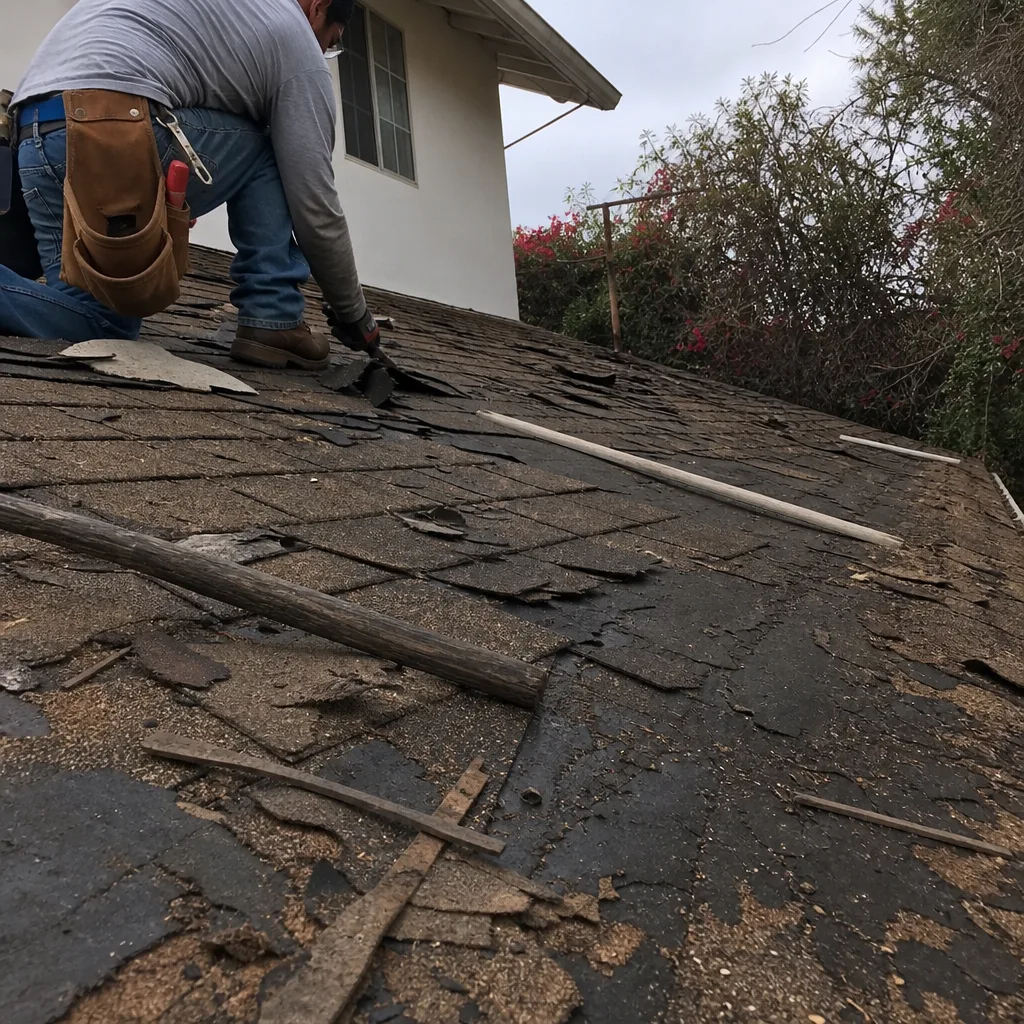 Before
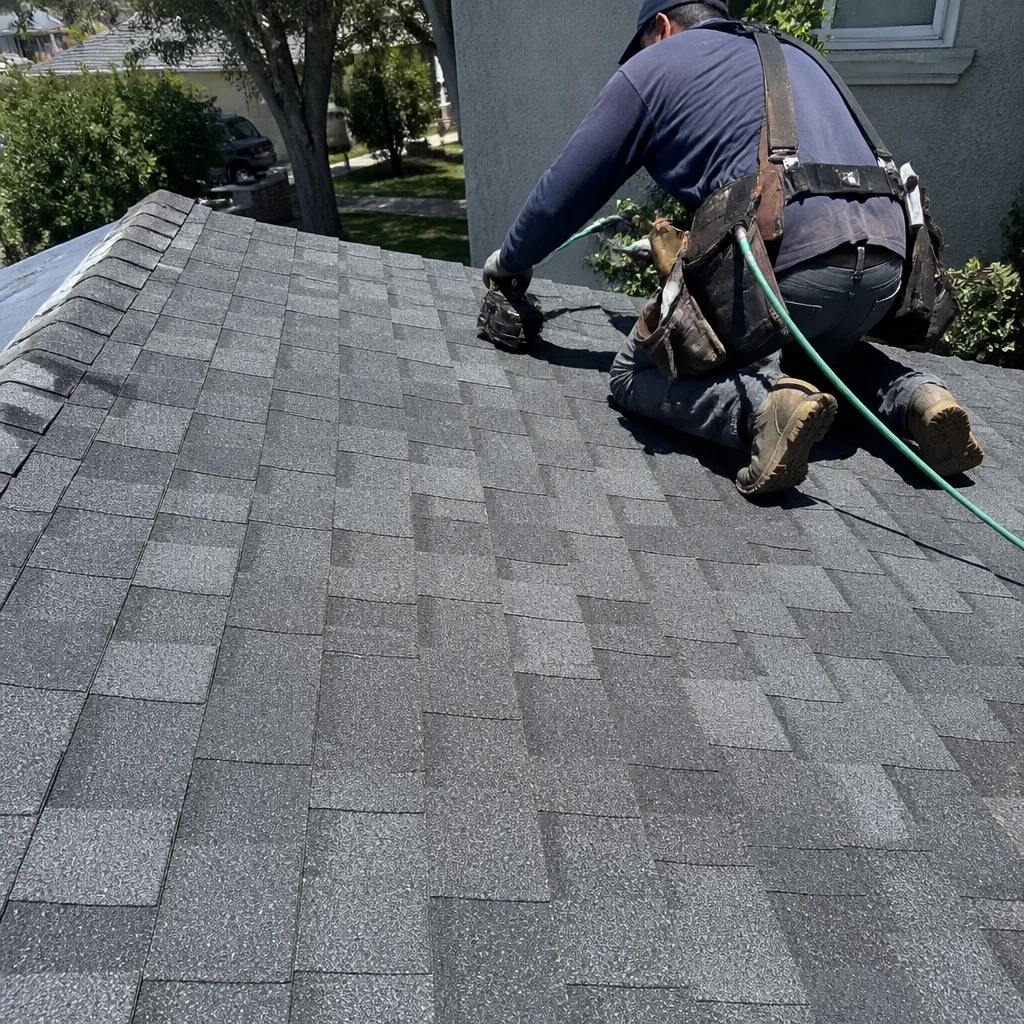 After
How to Tell If a Contractor Plans to Cut Corners
The contractors who underbid in Costa Mesa do not forfeit their profit. They reallocate it away from the components you can’t see. A written quote, read carefully, reveals whether a contractor is pricing a roof that will last 25 years or one that will fail at the flashing in seven. Here’s what to inspect in any quote you receive.
- Flashing scope. The quote should specify new flashing at every penetration: chimney, pipe boots, skylights, and wall intersections. A quote that says “reuse existing flashing where possible” is a quote for a roof that will leak at the seams before its time. Flashing replacement costs $500 to $2,500 depending on chimney and skylight count, and it’s non-negotiable for a lasting roof.
- Ridge cap specification. The ridge caps are the most wind-exposed component of your roof. The quote should name the specific ridge cap product, not just “ridge caps.” If the same material brand is specified for field shingles and ridge caps, that’s a sign the contractor is consistent with manufacturer installation requirements.
- Ventilation line item. Attic ventilation should appear as a specific scope item, not an afterthought. Balanced intake and exhaust ventilation is code-required in California for new roofs. If the quote lacks a ventilation line entirely, the contractor is planning to skip a code requirement.
- Fastener specification. Nailing pattern, nail length, and nail type should be specified. A proper shingle installation in a coastal wind zone uses ring-shank nails and a six-nail pattern on steep slopes. A quote that doesn’t specify fasteners leaves the most common failure point in roofing undefined.
- Underlayment type and manufacturer. The quote should name the underlayment product. “Underlayment” alone is a placeholder. When a contractor specifies the manufacturer and product line, the material choice becomes accountable.
A quote that skips these details is not cheaper, it’s simply unaccountable. The cost to fix a flashing failure or a ventilation issue five years into a new roof will exceed whatever savings that quote offered. We see this repeatedly on Costa Mesa homes where the original roof was installed by a general contractor who subcontracted the work to the lowest bidder. The fix always costs more than the original job would have. That’s why we focus on roof repair in Costa Mesa with the same specification discipline we bring to full replacements.
Common Mistakes to Avoid
- Comparing quotes on total price alone. A $14,000 quote and a $19,000 quote for the same Costa Mesa roof might not be for the same roof. The $14,000 version may skip flashing replacement, use lower-grade underlayment, and assume no decking issues. Compare line items, not totals.
- Not verifying the contractor’s roofing focus. A general contractor who “also does roofs” is bidding your project out to a roofing subcontractor and marking up the cost. You’re paying for a middleman, not roofing expertise. Working with a roofing-only company means the person quoting your roof is the person accountable for the work.
- Accepting a quote that lacks a permit line item. Unpermitted work in Costa Mesa creates problems when you sell the home and leaves you with no code-compliant record of the installation. If a contractor offers to skip the permit to save you money, they’re saving themselves time and exposing you to liability.
- Not asking about manufacturer certifications. Contractors certified to install specific manufacturer product lines, such as GAF, CertainTeed, Owens Corning, IKO, Atlas, and Tamko, can offer enhanced manufacturer warranties that uncertified contractors cannot. This certification requires training and adherence to specific installation standards. It’s not a marketing badge, it’s a competency signal.
- Choosing materials before choosing a contractor. Costa Mesa homeowners sometimes research shingle brands first and then look for a contractor who installs that brand. The better order is to find a contractor with depth across multiple manufacturers, then make the material decision based on their assessment of your specific roof, climate exposure, and budget.
- Ignoring the underlayment specification. On both shingle and tile roofs in Costa Mesa, the underlayment is the waterproofing layer. A premium tile or shingle installed over cheap underlayment is a premium roof on a substandard foundation.
- Assuming the cheapest quote saves money long-term. The savings from a corner-cutting installation disappear the first time water reaches your decking. In Costa Mesa’s marine layer climate, accelerated wear shows up fast.
When to Call a Professional
Roof leaks, visible sagging, granule accumulation in gutters, and cracked or missing tiles are all signs that a professional assessment is worth more than continued observation. Water intrusion moves fast through a roof system, and by the time you see a ceiling stain, the decking damage is already done. If your roof is over 20 years old and you haven’t had an inspection in the past three years, the math favors a pro. Same goes for any roof you’re planning to sell under: buyers in Costa Mesa are informed, and an aging roof shows up in the inspection report. Spartan Roof Repair offers free estimates in Costa Mesa. Call (855) 382-3237 to schedule yours.
Frequently Asked Questions
A full roof replacement in Costa Mesa in 2026 costs between $11,500 and $34,000, driven by roof size, material type, pitch, and tear-off layers. Composition shingle runs $550 to $750 per square installed, concrete tile runs $1,100 to $1,800 per square, and TPO flat roofing runs $650 to $950 per square. For an exact quote on your specific roof, call (855) 382-3237 and we’ll assess it in person.
Composition shingle is the lowest-cost roofing material in Costa Mesa, with installed costs starting around $550 per square. Entry-level architectural shingles from value-focused brands like Atlas and Tamko provide solid performance without the premium price of higher-end lines. The low initial cost should be weighed against a service life of 20 to 30 years, shorter than concrete tile’s 50-plus years.
A quote with a proper contingency line item and a thorough pre-tear-off inspection should change very little once work begins. The exception is concealed decking damage that cannot be seen until the old roof comes off. A contractor who walked the roof, checked the attic, and priced the job honestly will flag the risk beforehand. A contractor who didn’t do that work will “discover” problems that were predictable. For pricing that holds up, contact Spartan Roof Repair for a replacement estimate in Costa Mesa.
Yes. Costa Mesa requires a building permit for roof replacement, and the permit cost is based on project valuation. A typical single-family re-roof carries a permit fee of $400 to $650, plus plan check fees. Any contractor quoting you a roof replacement without a permit line item is planning to work outside the city’s legal framework.
A standard single-family shingle roof replacement in Costa Mesa takes three to seven days, depending on roof size, pitch, and tear-off complexity. Concrete tile installations run seven to fourteen days due to the slower installation pace and the curing requirements of the underlayment system. Weather rarely interrupts Southern California roofing schedules, but marine layer moisture can slow adhesive activation on morning work.
Costa Mesa roofing quotes vary because contractors differ in material specification, labor assessment, and line-item discipline. One quote may include full flashing replacement, a specific underlayment product, and a permit line. Another may omit all three. The spread reflects what’s included, not what the roof inherently costs. A written line-item quote from a roofing specialist allows you to compare the same roof, not the same total. For an honest, itemized assessment, call (855) 382-3237.
The Bottom Line
Costa Mesa roofing costs in 2026 are knowable. A shingle roof will run $550 to $750 per square. Concrete tile will run $1,100 to $1,800. TPO will run $650 to $950. The variable in your quote is not the roof type or the market. It’s the discipline with which the contractor specifies flashing, underlayment, ventilation, fasteners, permits, and disposal. A quote that itemizes these components is a quote from someone who walked your roof and took responsibility for the number. A quote that hides them behind a single total is a guess dressed up as a bid. The next step is a written estimate from a roofing specialist, not a general contractor. For more guides & resources, visit our blog. That estimate is free. The decisions it preserves are not.
Written by the team at Spartan Roof Repair, serving Costa Mesa since 2017.