
Last updated October 31, 2026
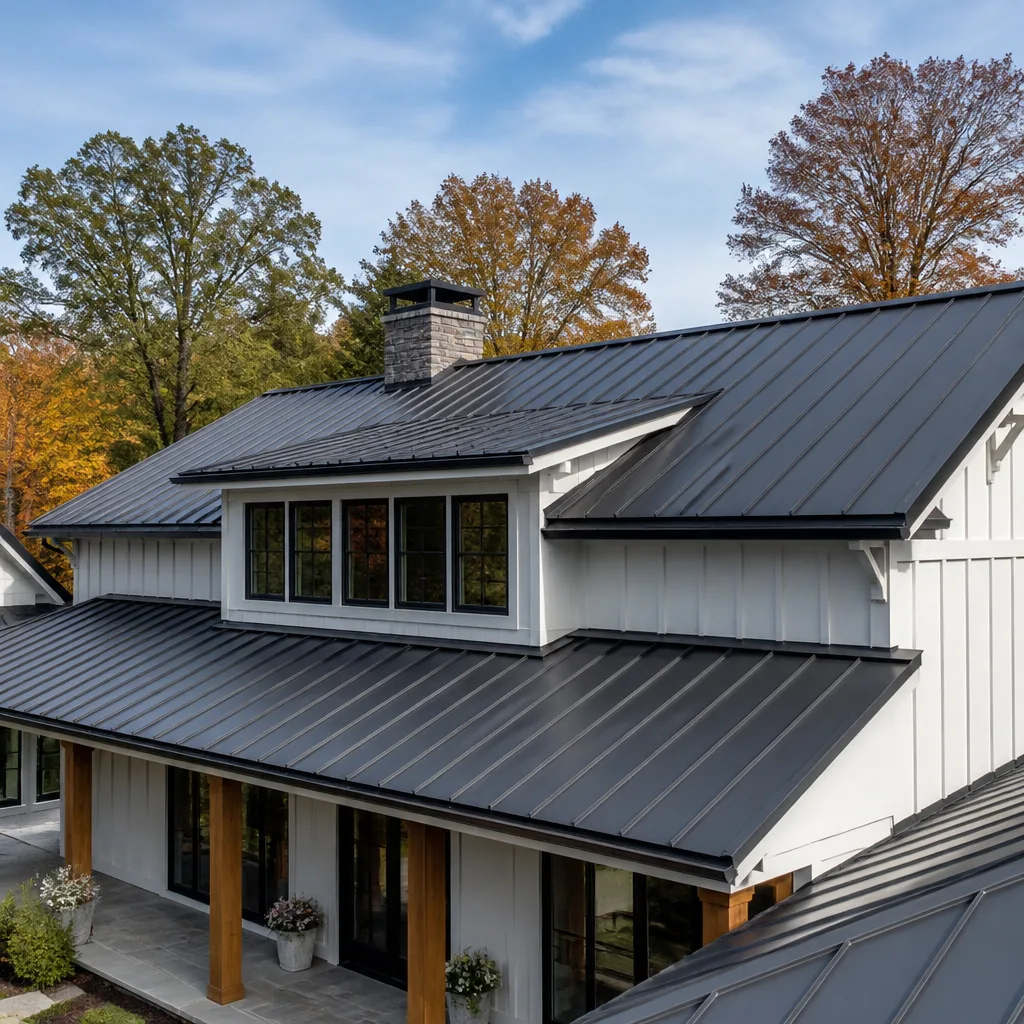 Metal roofing
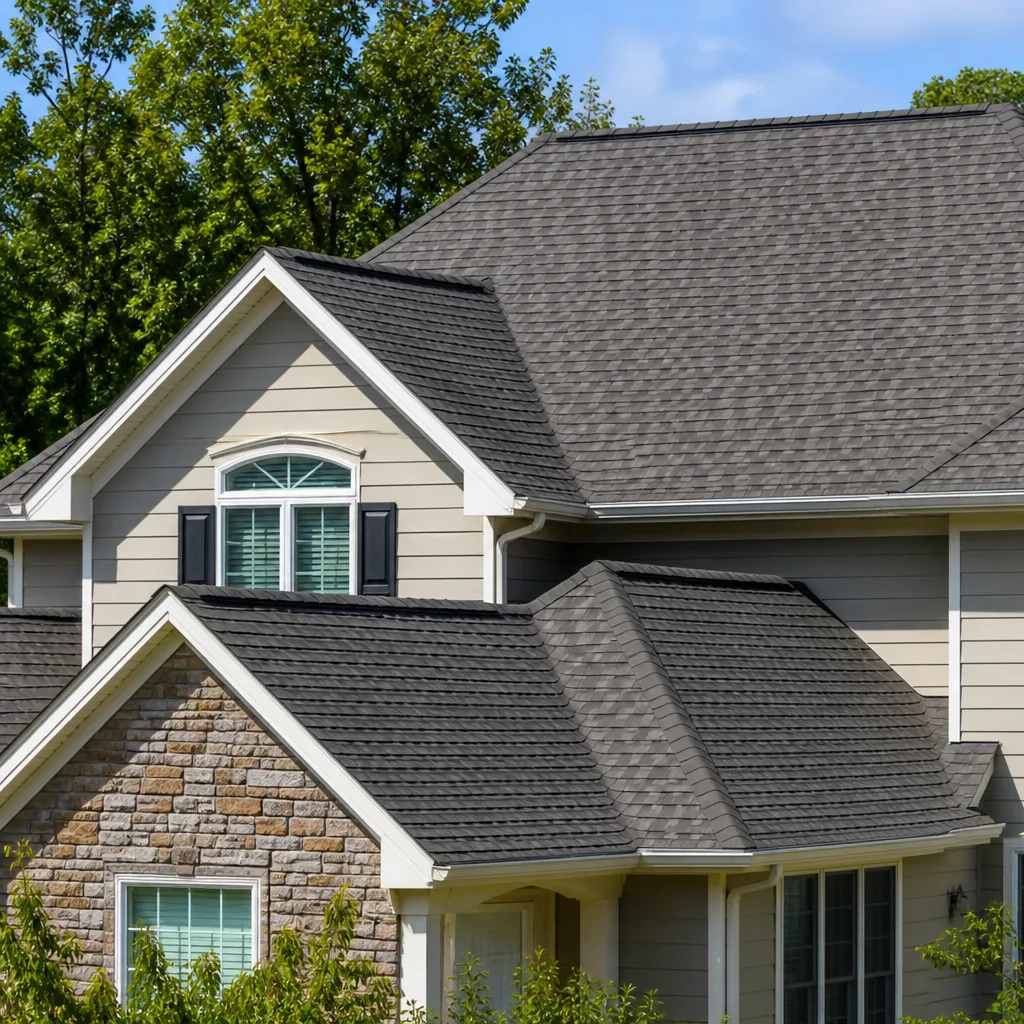 Architectural shingles
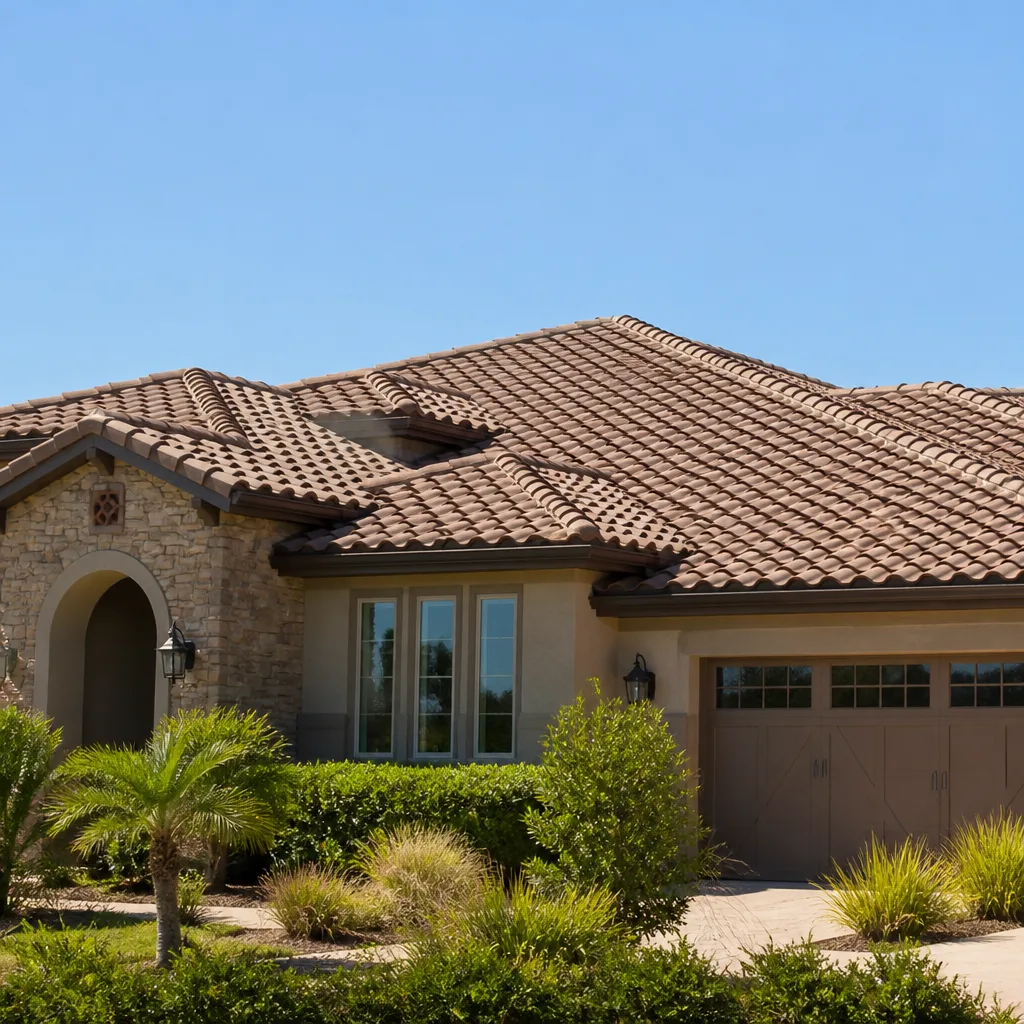 Tile roofing
 GAF
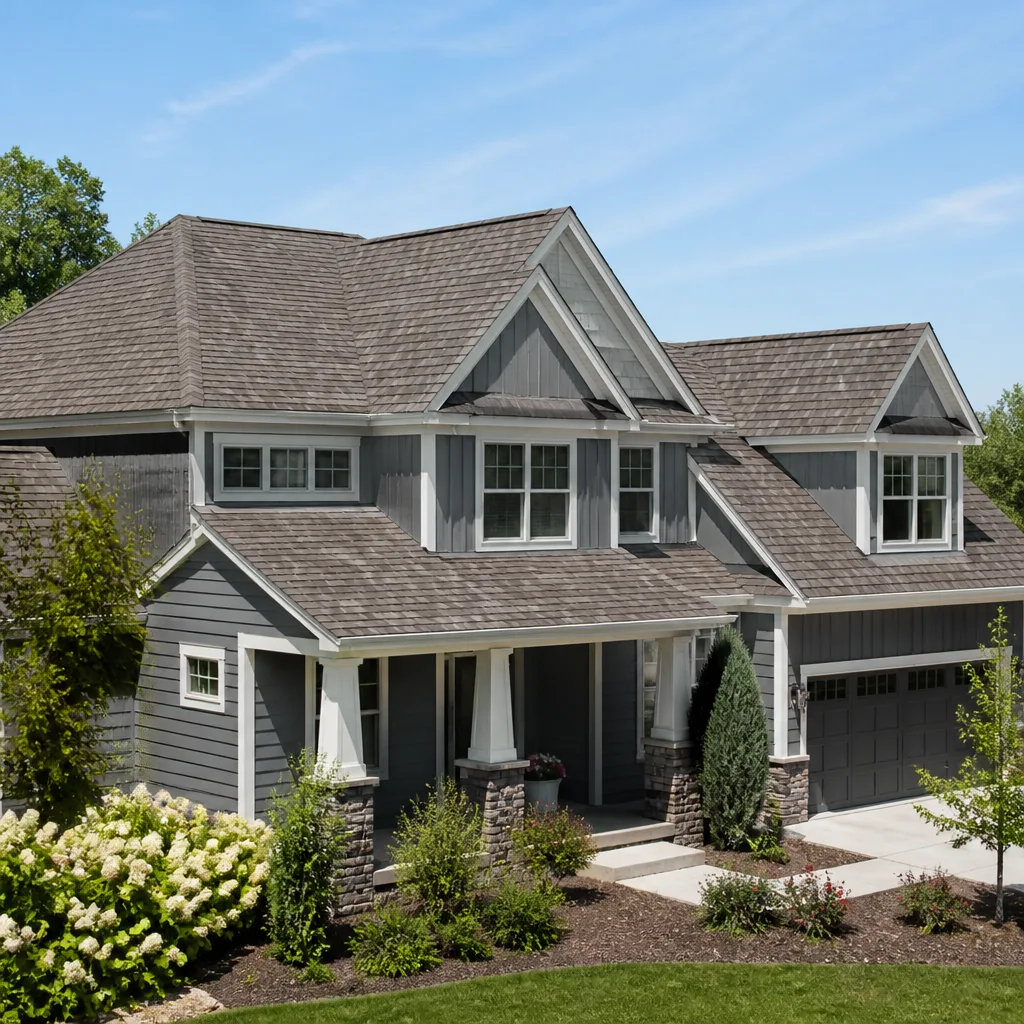 Owens Corning
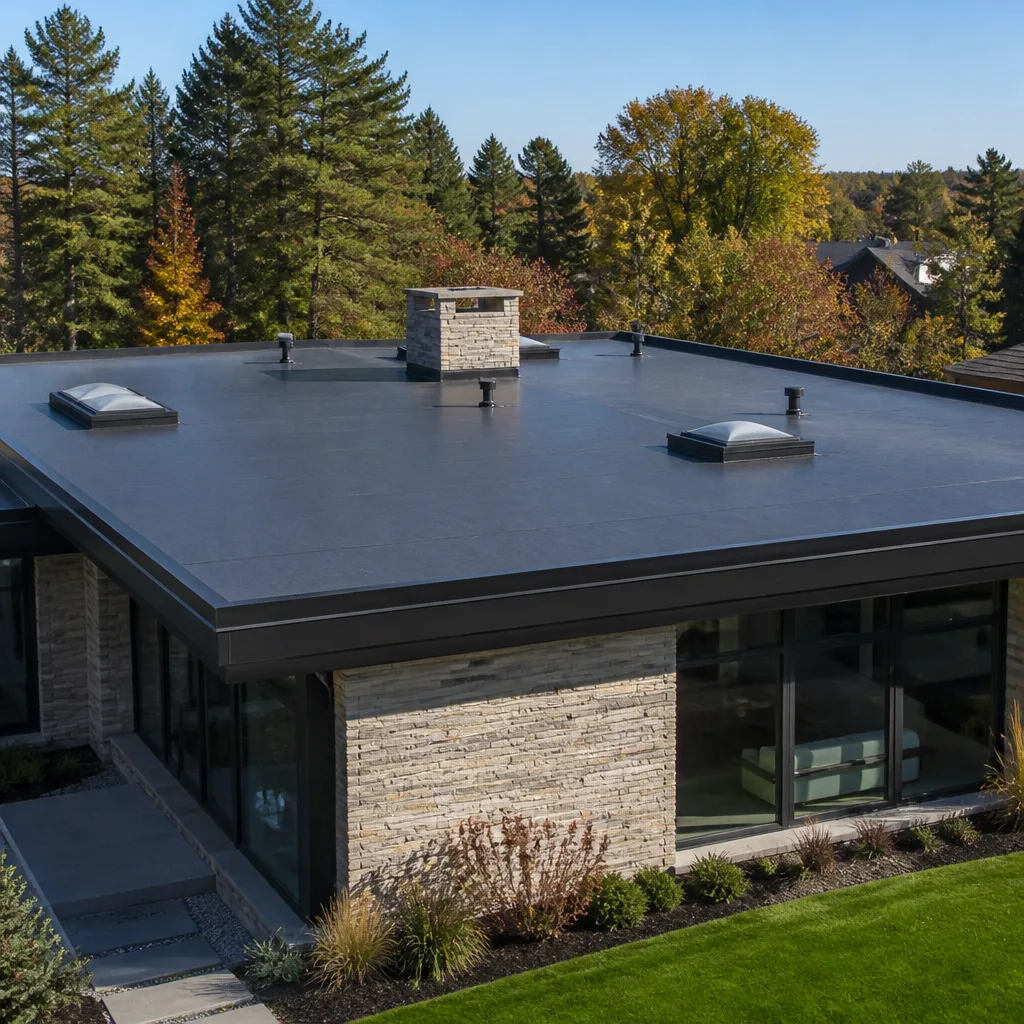 Flat & low-slope
Free roof inspection with deck photos before we talk money - GAF and Owens Corning certified installation
How to Hire a Roofing Contractor in Costa Mesa: A Step-by-Step Guide
After any significant wind or rain event in Orange County, out-of-area contractors flood Costa Mesa neighborhoods with door-to-door solicitations. Most of them carry a general B contractor license, not roofing-specific credentials. They knock, they quote, and they move on to the next block before the first shingle blows loose. This guide and our Roof Repair Troubleshooting: Common Problems and How to Fix Them give you a practical filter for separating focused roofing specialists from opportunists. We’ll walk through the licensing question, the insurance question, the questions that expose a generalist, and the red flags that show up more in Costa Mesa than almost anywhere else in the county.
Quick Answer
Hiring a roofing contractor in Costa Mesa comes down to three checks: verify a California C-39 roofing license (not just a general B license), confirm current insurance with limits adequate for your property type, and ask technical questions that only a roofing-focused contractor can answer confidently. We inspect it, we repair it, we replace it. That is the standard a legitimate specialist should meet before you sign anything.
Styles & brands we work with
Table of Contents
- Why the C-39 License Matters More Than a General B
- How to Verify Insurance Coverage for Your Costa Mesa Property
- Technical Questions a Generalist Cannot Answer
- What a Legitimate Roof Inspection Report Should Contain
- Costa Mesa-Specific Red Flags to Watch For
- What Roofing Work Actually Costs in Costa Mesa
- Decoding Warranty Language Before You Sign
- Common Mistakes to Avoid
- When to Call a Professional
- Frequently Asked Questions
Why the C-39 License Matters More Than a General B
California issues two licenses that often get confused in the Costa Mesa roofing market, and the difference is not paperwork. It is liability. A general B contractor license allows a company to frame, pour concrete, hang drywall, and supervise a wide range of building trades. Roofing is one line item in a long list. A C-39 license is a roofing specialty classification. The contractor has demonstrated trade-specific knowledge to the Contractors State License Board, and their bond is tied to roofing work specifically.
Here is why this matters for a Costa Mesa homeowner. When a generalist subcontracts your roof to a third party and something goes wrong, the chain of responsibility gets murky. You may have signed a contract with one company and received labor from another. If the sub was unlicensed, your recourse shrinks considerably. Many homeowners in the Mesa Verde and Eastside neighborhoods have discovered this only after a leak reappeared in the first winter rain.
What to check before you hire:
- Look up the contractor on the CSLB website. The classification field should read “C-39 Roofing.” If it reads “B – General Building,” ask why a roofing job needs a generalist.
- Confirm the license is active, not suspended or expired. The CSLB database updates in real time.
- Check the license number against the name on the contract and the name on the insurance certificate. They must match.
- Ask whether the crew doing the work are W-2 employees or subcontracted labor. A roofing specialist typically employs its own installers rather than brokering the job out.
At Spartan Roof Repair, our single-trade focus means our entire operation exists to fulfill one classification of work: roofing. We install and service products from seven of the industry’s most trusted roofing brands, including Atlas and Boral. That breadth is not a side project. It is the whole project. For a deeper look at how inspections factor into the hiring decision, see our Roof Inspection in Costa Mesa page.
How to Verify Insurance Coverage for Your Costa Mesa Property
A contractor’s insurance certificate is not a formality. It is the difference between a claim that gets covered and a claim that becomes your problem. In Costa Mesa, property types range from 1950s single-story ranch homes in Freedom Homes to newer construction near South Coast Metro. Different properties carry different liability exposure, and not every contractor’s policy is written to cover them all.
Here is how to check it properly:
- General liability: Request the insurance certificate directly from the insurer, not the contractor. Ask the contractor to have their agent email it to you. A certificate that the contractor types up themselves is worthless.
- Workers’ compensation: If the policy number is missing or marked “waived,” walk away. Roofing is physically demanding work on elevated surfaces. An injured worker without coverage can file a claim against your homeowner’s policy.
- Property-type specificity: Ask whether the policy covers steep-slope residential work or only low-slope commercial. Some generalists carry minimal coverage structured for simple repairs, not full replacements on two-story Costa Mesa homes.
- Named insured: The name on the certificate must match the name on the CSLB license and the name on the contract. Three names, one entity. Anything else is a red flag.
We carry full liability and workers’ compensation coverage as a roofing-only contractor in Costa Mesa. If a contractor hesitates to provide insurance documentation, you are not having a paperwork problem. You are having a hiring problem. That is a straight answer about your roof.
Technical Questions a Generalist Cannot Answer
The fastest way to separate a roofing specialist from a generalists who lists roofing among a dozen services is to ask questions that require trade-specific experience. A generalist can talk about shingle colors. A specialist can talk about the specific failure modes common in Orange County’s marine-layer climate. Here are the questions we would want answered if we were hiring.
- “What is the most common roof failure you see in Costa Mesa specifically?” The answer should reference the coastal moisture pattern: warm days, cool marine-layer evenings, and occasional Santa Ana wind events that lift shingle edges. A specialist will talk about wind-driven rain, not just age.
- “How do you handle the valley flashing on a roof like mine?” Valley flashing is where leaks most often start. A generalist will give a vague answer about “sealing everything up.” A specialist will explain the difference between woven valleys, metal valleys, and when each is appropriate for the roof pitch.
- “Which shingle manufacturers have you been authorized to install?” The answer should include recognizable names with real training programs, not just “whatever the supply house has.” We handle GAF, CertainTeed, Owens Corning, IKO, Atlas, Tamko, and Boral. The phrase “whatever is cheapest” is not a product recommendation. It is a margin decision.
- “What is the difference between the three-tab shingles on my roof and dimensional shingles?” This is a basic question that immediately separates trade knowledge from sales script. The answer should cover weight, wind rating, and aesthetic difference in about sixty seconds.
- “Who pulls the permit on a full replacement: you or me?” In Costa Mesa, most full roof replacements require a permit. A contractor who says “you do not need a permit” for a replacement is either lying or proposing to do work outside the legal scope. Neither is acceptable.
If the contractor stumbles on three of these five questions, keep looking. You want a specialist who can discuss your roof the way a mechanic discusses your transmission: specifically, not generically.
What a Legitimate Roof Inspection Report Should Contain
A roofing inspection report is the document that determines whether you need a repair or a replacement, so the document itself deserves scrutiny. Some Costa Mesa homeowners get a report that reads like a sales brochure: pages of blurry photos and a conclusion that says “full replacement recommended” before the inspector ever climbed a ladder. That is not an inspection. That is a sales call with a clipboard.
A legitimate report from a roofing specialist should include:
- Specific photos with timestamps and locations. Not “roof damage photo” but “south-facing slope above the garage, wind-damaged shingle edges visible, photo taken from ladder position 2 at 10:14 AM.”
- A condition assessment for each roof plane, not a single overall score. The north slope ages differently than the south slope in Costa Mesa. A report should treat them separately.
- Penetration-by-penetration findings. Every vent, pipe boot, skylight, and chimney should appear in the report with a status note. These are where leaks start, and any inspector who skips them skipped the actual job.
- Measurable detail. A roofing specialist will note granule loss in percentages, flashing gaps in inches, and remaining service life in years. Vague language like “some wear” tells you nothing.
- A repair-vs-replace recommendation with reasoning. If the recommendation is replacement, the report should explain why repair is not viable. If the recommendation is repair, it should explain how long the repair will last. “Replace everything” with no reasoning is an upsell, not an inspection.
We inspect it, we repair it, we replace it. The inspection comes first, not as a formality, but as a diagnostic step. You can learn more about what our inspections cover on our Roof Inspection in Costa Mesa page.
Costa Mesa-Specific Red Flags to Watch For
Every market has its share of bad actors, but Costa Mesa has a particular problem because of its geography. The city sits between the coast and the 55 and 405 freeways, dense with homes and dense with foot traffic. After storm events, out-of-area contractors descend on neighborhoods like College Park and Eastside Costa Mesa with laminated flyers and free-inspection pitches. Some are legitimate. Many are not. Here are the warning signs we hear about most often from homeowners who called us after a bad experience.
- The high-pressure same-day quote. Someone knocks on your door at 6 PM and says they need a deposit by morning to lock in a price. No legitimate Costa Mesa roofing contractor operates like this. The price for materials does not change overnight, and a company that pressures you to sign before you can verify a license is running a sales operation, not a roofing operation.
- No physical business address in Orange County. Check the contractor’s website and CSLB listing. If the address is a PO box in another county or missing entirely, you will have a hard time serving legal papers if something goes wrong. A local Costa Mesa business has a local footprint.
- Vague warranty language in the contract. “Fully guaranteed” is not a warranty. A real warranty states what is covered, for how long, and who does the labor if the repair fails. If those three elements are missing, the warranty is marketing.
- The “we were in the neighborhood” pitch. Contractors who happen to be in your Costa Mesa neighborhood when they knock on your door are not. They are canvassing. Some canvassers are legitimate local companies, but the out-of-area ones are nearly always working a volume model: sign fast, sub it out, move on.
- Price quoted without an inspection. A contractor who gives you a full replacement price over the phone based on the square footage of your house has not seen your roof. They have seen a spreadsheet. In our experience, an accurate price requires standing on the roof and looking at what is actually there.
What Roofing Work Actually Costs in Costa Mesa
Roofing prices in Costa Mesa follow the same logic as housing prices: they are driven by coastal location. Labor costs are higher here than in Riverside or San Bernardino because contractors pay Orange County wages and Orange County insurance rates. Material prices fluctuate with petroleum markets, since asphalt shingles are petroleum products. Here is an honest, current picture of what to expect.
| Scope of Work | Typical Costa Mesa Range | What Affects Price |
|---|---|---|
| Roof inspection | $0 – $450 | Free when paired with a repair estimate; paid inspections typically include a written report with photos |
| Minor repair (replacing a few shingles, sealing a small flashing gap) | $350 – $850 | Access difficulty, roof pitch, whether matching shingles are available |
| Moderate repair (flashing replacement, valley repair, pipe boot replacement) | $700 – $1,800 | Number of penetrations, wood rot discovered under shingles |
| Full roof replacement (asphalt shingle, standard single-family home) | $14,000 – $32,000 | Roof size, pitch, tear-off vs. overlay, shingle grade, underlayment spec, number of penetrations |
| Full roof replacement (premium materials like Boral or certain Tamko lines) | $26,000 – $48,000+ | Material cost premium, installation complexity, ventilation upgrades |
These ranges reflect what we see across Costa Mesa jobs, from compact single-story homes on the west side to larger two-story residences near the Mesa Verde Country Club. A roof repair on a steep-pitch home in the Mesa del Mar area will price differently than the same repair on a low-slope ranch in Freedom Homes, because access and fall protection requirements differ.
We carry materials from seven roofing manufacturers so that the recommendation matches the roof, not the other way around. That spans budget-friendly Atlas lines to premium Boral products. You get a real choice, not a take-it-or-leave-it single brand.
Decoding Warranty Language Before You Sign
Roof warranties in Costa Mesa come in two layers, and homeowners who only understand one of them end up surprised when a claim is denied. The first layer is the manufacturer’s material warranty. The second is the contractor’s workmanship warranty. They cover different things and have different fine print.
The manufacturer’s warranty covers defects in the shingles themselves: premature granule loss, manufacturing flaws, that sort of thing. It does not cover installation errors. If a contractor nails shingles incorrectly and the roof leaks, the manufacturer will not pay. That is the workmanship layer, and it is solely the contractor’s responsibility.
Before you sign, ask these questions:
- What is the workmanship warranty period in writing? Any answer shorter than five years for a full replacement should be questioned. Roofing labor failures often show up in the first two to three years, and a contractor who only covers work for one year is betting against their own installation.
- Is the workmanship warranty transferable? If you sell your Costa Mesa home, the new owner should inherit at least part of the workmanship coverage. Many warranties die with the original buyer. Ask for the transfer terms in writing.
- Who handles the labor if a material defect claim is approved? The manufacturer will ship replacement shingles, but someone has to install them. That someone is you unless your contractor’s warranty covers labor on manufacturer-approved claims. We handle the full lifecycle in Costa Mesa: the original install, the warranty submission on your behalf, and the replacement labor.
- What voids the warranty? Some contractors void their own workmanship warranty if another roofing company performs a repair on the same roof. Understand what you are agreeing to before you agree to it.
A warranty written in plain language with specific terms is a sign of a contractor who stands behind their work. A warranty full of vague language and long exclusion lists is a sign they have been through the claim-denial process and wrote the document accordingly.
Common Mistakes to Avoid
- Hiring based on the lowest bid without comparing scope. Two Costa Mesa roofers can quote the same house and be pricing two different jobs. One includes new flashing, one doesn’t. The cheapest bid is often the one that skipped the details that matter most.
- Signing a contract that doesn’t itemize materials. “Asphalt shingle roof replacement” is not an itemized scope. You should see the brand, the line, the underlayment spec, the flashing detail, and the ventilation plan. If it is not written down, it is not part of the job.
- Skipping the permit on a full replacement. Costa Mesa requires permits for most roof replacements, and unpermitted work creates problems when you sell the house. A contractor who avoids permits is protecting themselves, not you.
- Paying a large deposit upfront. Ten percent or a fixed small amount to schedule is normal for a Costa Mesa roofing project. Fifty percent upfront is not. Contractors with real cash flow and real supplier relationships do not need half your replacement cost to schedule a crew.
- Ignoring the workmanship warranty term. The material warranty from the manufacturer does not protect you from installer error. If your contractor’s workmanship warranty is one year or less, you are carrying the liability for their mistakes.
- Not verifying the license classification. A general B contractor can legally take roofing work in California, but the question is whether you want to be the job where they are learning roofing. The C-39 classification exists for a reason.
When to Call a Professional
Some roofing situations clearly need a professional, and waiting costs more than the repair. Call a Costa Mesa roofing specialist if you see water stains on ceilings after rain, granule buildup in gutters, shingles lifting at the edges after Santa Ana winds, or daylight visible through the roof deck from inside the attic. If a previous repair has failed more than once, stop patching and consult our Roof Repair Maintenance Checklist for Costa Mesa Homeowners. A roof that has leaked once and been “repaired” with sealant will leak again at the same spot unless the flashing was addressed properly. Spartan Roof Repair offers free estimates in Costa Mesa. Call (855) 382-3237 to schedule yours, and we will give you a straight answer about your roof.
Frequently Asked Questions
Look up the contractor by name or license number on the Contractors State License Board website and confirm the classification reads “C-39 Roofing,” not “B – General Building.” A C-39 is the roofing specialty license, and it means the contractor has demonstrated trade-specific knowledge to the state. You can also see whether the license is active, suspended, or expired, which matters more than any review you will read.
A standalone roof inspection in Costa Mesa typically ranges from $150 to $450, but many roofing specialists offer free inspections when the inspection is tied to a repair estimate. Be clear about what you are getting: a free “inspection” with no written report is a sales pitch, while a paid inspection should deliver a written, photo-documented report with specific findings. Call (855) 382-3237 to ask about inspection options for your Costa Mesa property.
Most single-family roof replacements in Costa Mesa take three to seven working days from tear-off to final inspection, depending on roof size, pitch, and weather. A two-story home on a steep lot near the mesa will generally take longer than a single-story ranch, especially if the crew is contending with afternoon marine-layer fog or Santa Ana wind that halts shingle work. Your contractor should give you a written schedule before the job starts.
Yes, most full roof replacements in Costa Mesa require a building permit, and your roofing contractor should pull it as part of the scope. The permit ensures the work meets current California building code and is a legal requirement for most replacement work. A contractor who tells you a replacement does not need a permit is either misinformed or proposing to work outside the rules.
Yes, two or three bids help you compare scope, not just price, but compare the line items rather than the bottom line. A bid that is $4,000 cheaper is usually a bid that omitted something: flashing, underlayment, ventilation, or disposal. Ask each contractor to itemize materials and labor, and compare the scopes side by side before you decide.
Costa Mesa’s coastal climate, with its marine-layer moisture and occasional Santa Ana winds, rewards materials with strong wind ratings and good resistance to moisture-driven granule loss. We install Atlas, Tamko, Boral, and other manufacturer lines, and the right choice depends on your roof pitch, exposure, and budget. You want a material recommendation based on your specific house, not a default answer from a contractor who only sells one brand.
The Bottom Line
Hiring a roofing contractor in Costa Mesa is a vetting problem before it is a price problem. Verify the C-39 license, confirm the insurance with the insurer directly, and ask technical questions that expose generalists. Read the inspection report like it is evidence, because it is. Decode the warranty before you sign. And remember that the lowest bid is usually the one that left something out. We are roofing specialists, not generalists, and we have built our Costa Mesa business on giving homeowners a straight answer about their roof. For a free estimate, call (855) 382-3237 or visit the Spartan Roof Repair home page, Roof Repair in Costa Mesa, or Roof Replacement in Costa Mesa.
Written by the team at Spartan Roof Repair, serving Costa Mesa since 2017. Explore more guides & resources.
See the difference
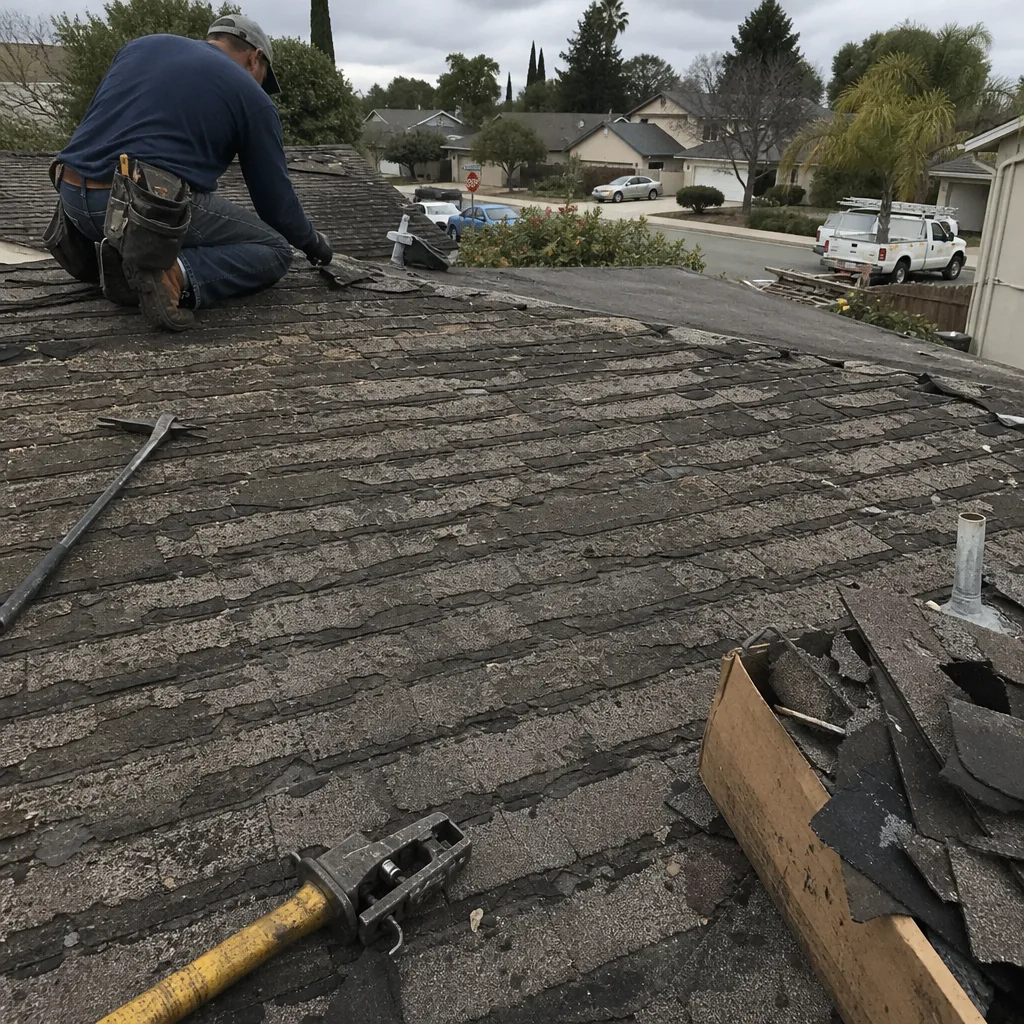 Before
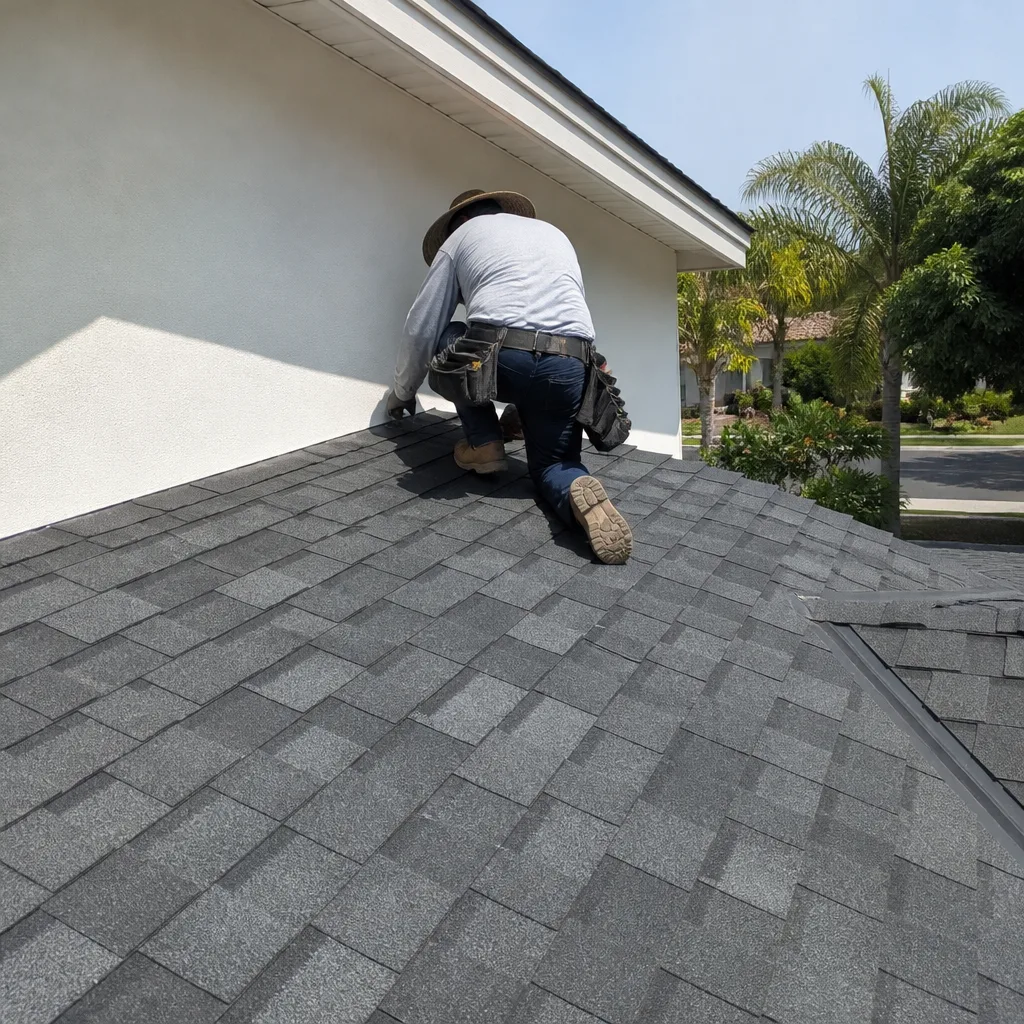 After
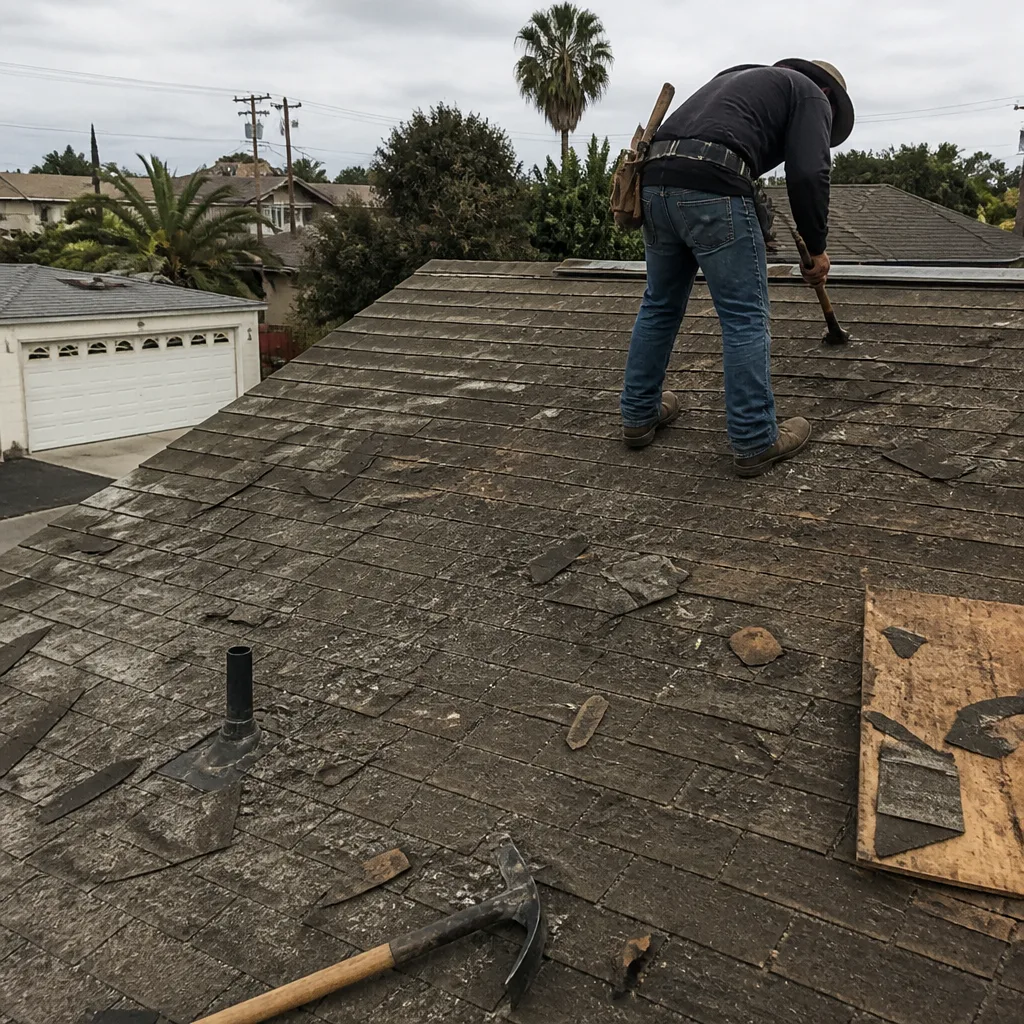 Before
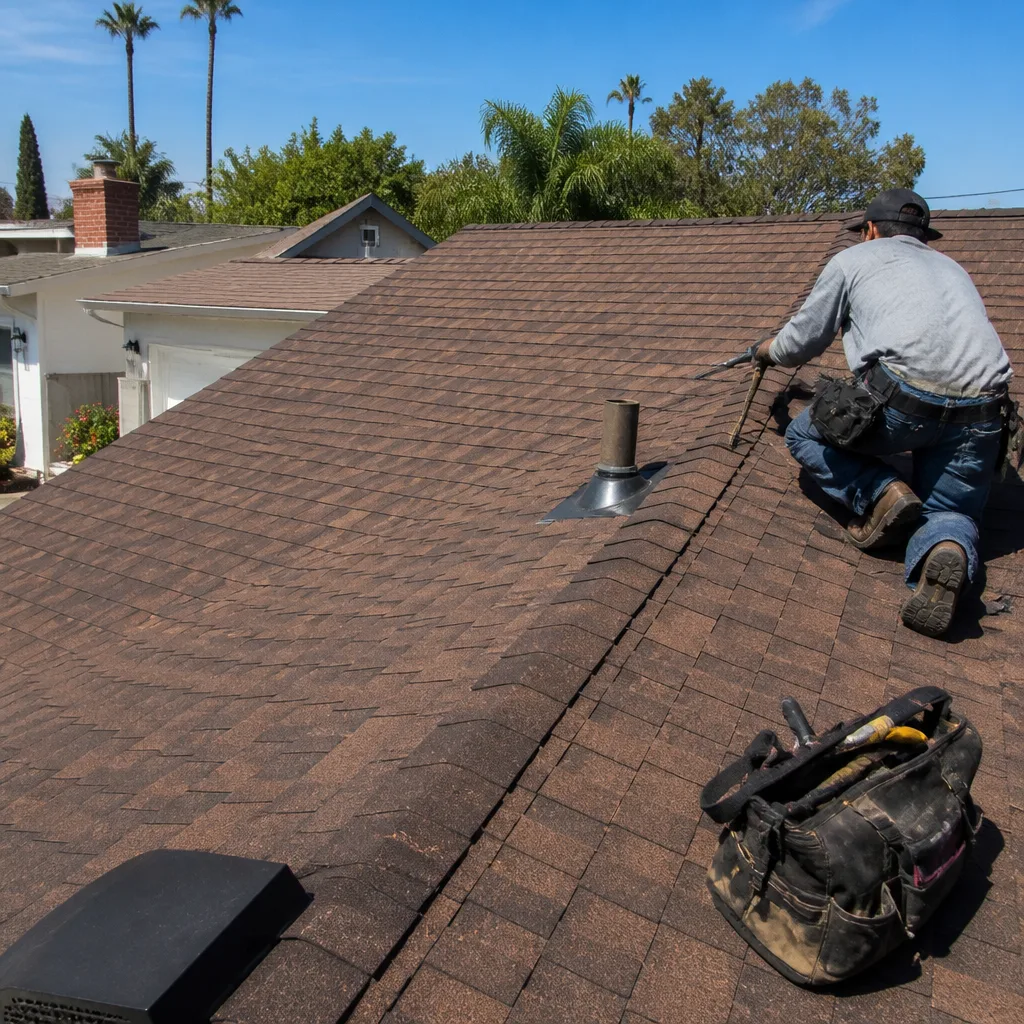 After
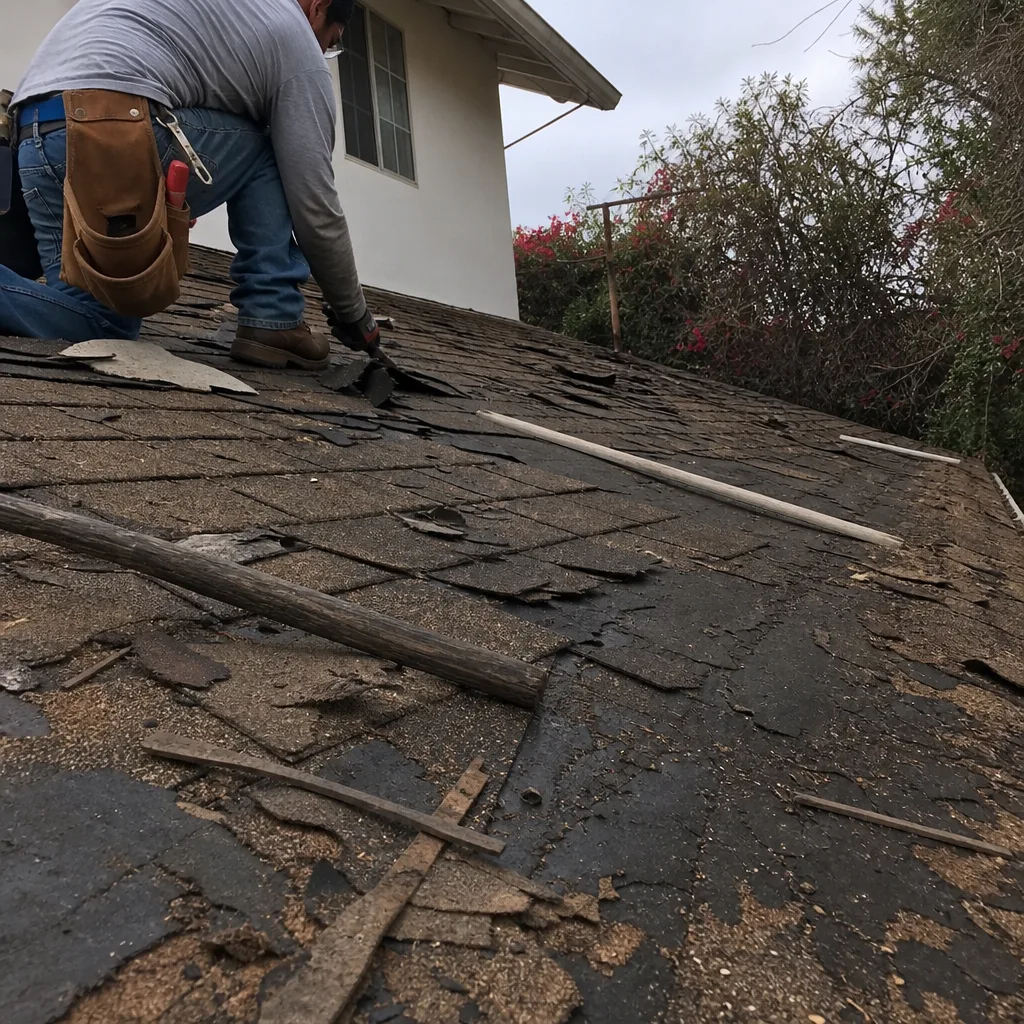 Before
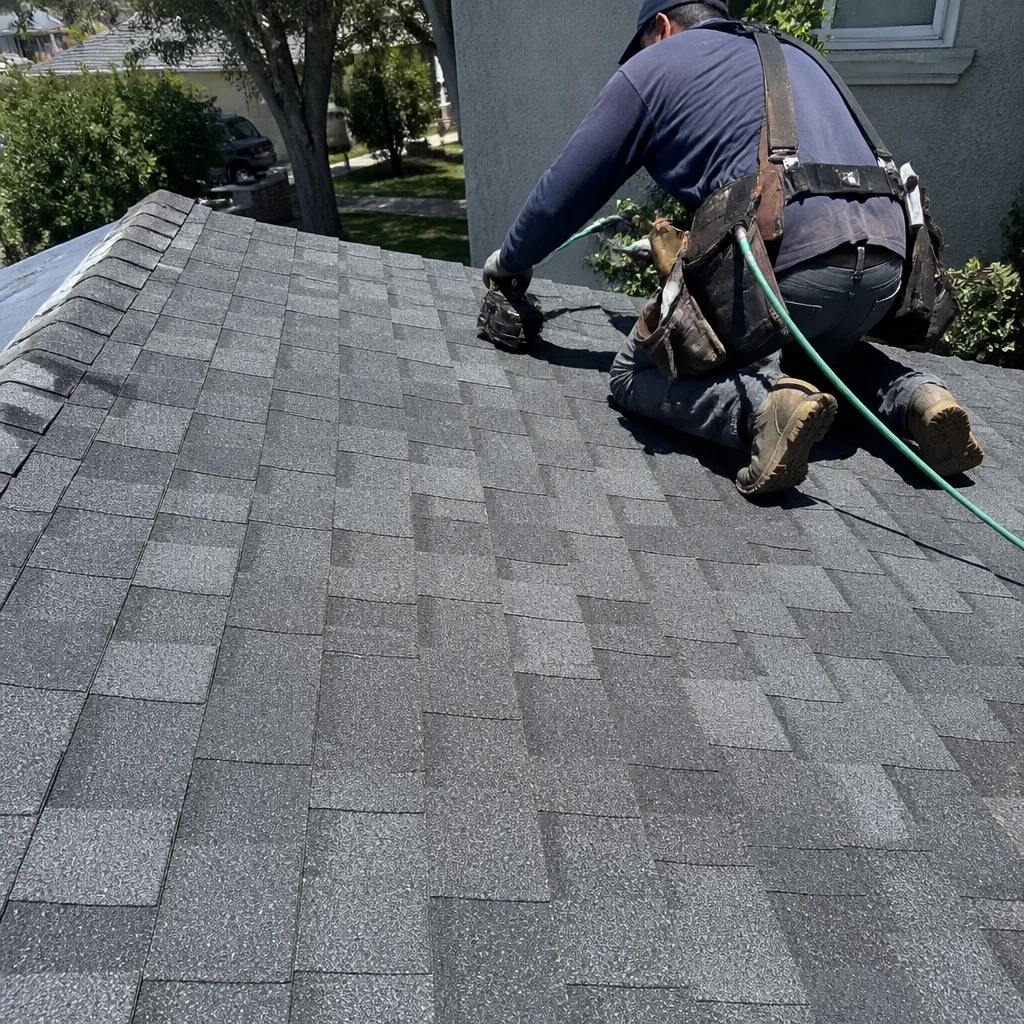 After